Chile proposes state-backed mortgage fund

Chile's government has proposed a sweeping overhaul of the capital markets centered on a permanent state-backed mortgage fund that could help finance as many as 150,000 homes, in a move aimed at unlocking credit in a smaller banking system and easing one of the country's biggest affordability bottlenecks.
President José Antonio Kast said the reform is designed to rebuild Chile's financial ecosystem after years of capital outflows and pension withdrawals that shrank the local market and tightened access to long-term home loans. The centerpiece is a National Housing Fund, or Fonavi, that would buy mortgage loans originated by banks and support cheaper, longer-dated lending for first-time buyers.
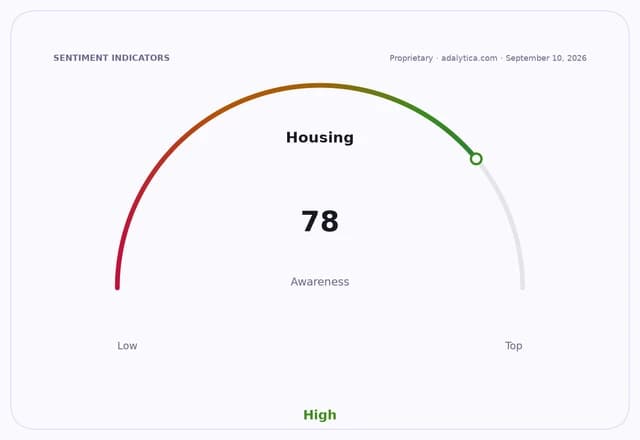
The state could inject up to $2 billion into the fund, starting with an initial $500 million capitalization, and authorize borrowing of as much as 10 times capital, giving it potential firepower of up to $20 billion. BancoEstado would administer the vehicle, which would purchase mortgage portfolios through competitive auctions while banks keep servicing the loans.
The government says the program would target homes priced up to 6,000 UF and only first homes, with loans expected to move toward 30-year terms and 10% down payments. Officials estimate the scheme could eventually lower mortgage rates by about one percentage point, though they say the change would take three to four years to fully filter through once the fund is operational.
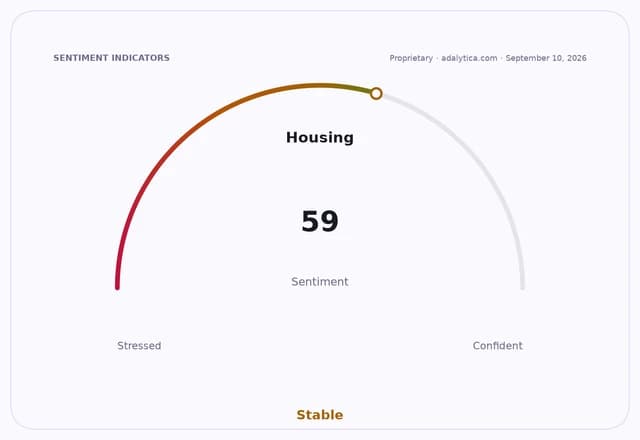
The reform goes beyond housing. About 30 measures are grouped into four axes: access to housing and savings, broader financing for companies of different sizes, market-rule updates, and steps to position Chile as a regional financial hub. The package also raises the fiscal cost of the state-backed housing push and related tax changes to about $100 million a year once fully in place.
For investors, the most immediate implications are for Chilean banks, the mortgage market and the broader financing environment. By moving home loans off bank balance sheets, the fund could free up lending capacity, support mortgage origination and deepen demand for housing-related credit products.
The proposal also includes a separate savings account for home down payments, expands tax incentives for voluntary pension savings, and eases rules on capital market instruments, including simplified bond registration for smaller companies and broader tax treatment for funds and share sales. The government is also proposing fraud-liability changes that it says could cut bank losses from fraudulent claims, which it estimates at about $300 million a year.
Markets are likely to focus on the execution risk. The plan depends on legislation and on whether banks, institutional investors and borrowers respond as intended, but if approved it would mark one of the most significant state interventions in Chile's mortgage market in years.
| Entity | Gains | Losses |
|---|---|---|
| First-time homebuyers | ▲Lower down payments, longer terms | ▼Higher entry bar if not eligible |
| Banks | ▲Freed-up balance sheet capacity | ▼More risk retention on loans |
| BancoEstado / State | ▲Expanded policy role | ▼Fiscal exposure and funding burden |
| Builders and housing lenders | ▲More mortgage demand | ▼Slower gains if rollout lags |