China Air Cargo Routes Expand Across Asia
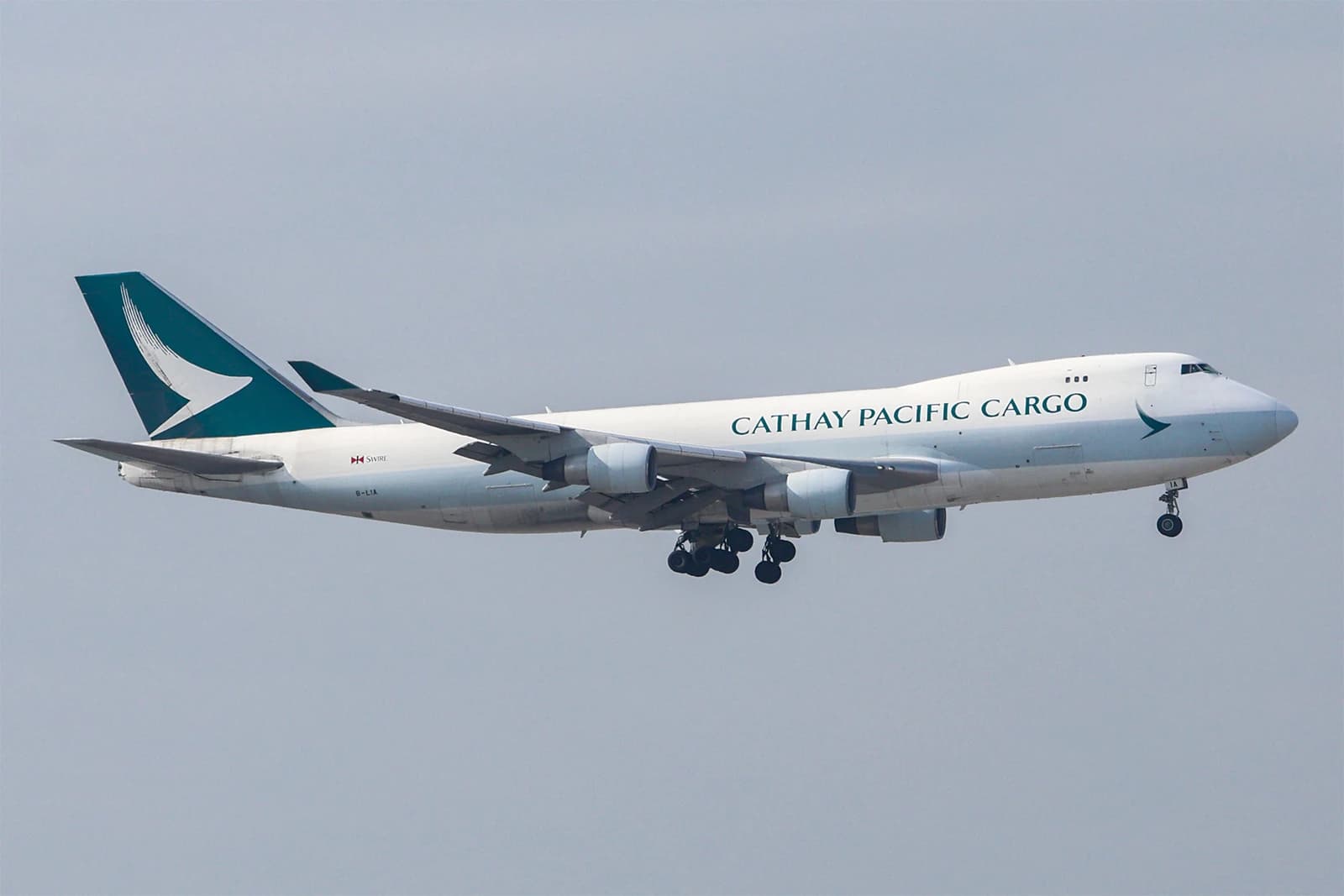
China’s push to open 57 new air cargo routes to Asia in the first eight months of the year underscores how the country’s logistics network is being rebuilt around regional demand, even as global trade faces protectionist pressure and slower long-haul flows.
That matters because air freight is not just a transport story: it is a barometer of where the highest-value goods are moving, who is buying them and how supply chains are being reconfigured. The Asia-heavy expansion suggests Chinese exporters are leaning more on nearby markets for e-commerce shipments, electronics, auto parts and other higher-margin industrial goods that move fastest by air.
The China Federation of Logistics and Purchasing said China launched 115 new international air cargo routes in January-August, adding 292 round-trip flights a week. Of those routes, 57 went to Asia, 41 to Europe and 13 to North America, with only a handful added to Africa and South America. In August alone, 11 new routes were added, including 34 round-trip flights a week.
The pattern points to a deliberate rational diversification rather than a simple expansion in any one direction. Asia remains the core growth area because intra-Asian trade is more resilient, shorter-haul and better aligned with the rise of high-tech manufacturing and cross-border e-commerce. Europe remains an important outlet for Chinese goods, but the larger directional change is the build-out of a denser regional network that can absorb demand shifts if trans-Pacific trade softens.
For investors, that favors carriers and logistics operators with exposure to China-Asia air cargo lanes, especially those able to capture premium freight tied to electronics, auto components and online retail. It also supports the case for airport operators, cargo handlers and integrated logistics firms positioned along Chinese export corridors. The beneficiaries are companies with network density and freighter capacity; the losers are operators more dependent on slower, longer-haul routes where yields are often more exposed to geopolitical friction and weaker demand.
The expansion also comes against a broader backdrop of firmer global air freight demand. The International Air Transport Association said July cargo tonne-kilometers rose 3.9% from a year earlier, with airlines in Asia-Pacific, Europe and North America accounting for most of the growth. China’s civil aviation sector moved 10.172 million tons of cargo and mail in 2025, a record that shows the country’s air logistics system is still scaling even as global trade becomes more fragmented.
Ethiopian Airlines’ new freighter service between Chengdu and Addis Ababa adds another layer to the story: Chinese western manufacturing centers are gaining direct links to Africa, widening the map beyond the traditional coastal export hubs. But the center of gravity remains Asia, and that is the key signal for markets — China’s air cargo boom is becoming more regional, more diversified and more closely tied to the high-value goods that drive margins.
| Entity | Gains | Losses |
|---|---|---|
| China-Asia cargo carriers | ▲Higher route density | ▼Less on long-haul exposure |
| Chinese exporters | ▲Faster regional delivery | ▼More complex network management |
| Airports/logistics hubs | ▲More freight throughput | ▼Capacity bottlenecks |
| Long-haul rivals | ▲— | ▼Share of China trade lanes |