China anti-fraud alliance and internet stocks
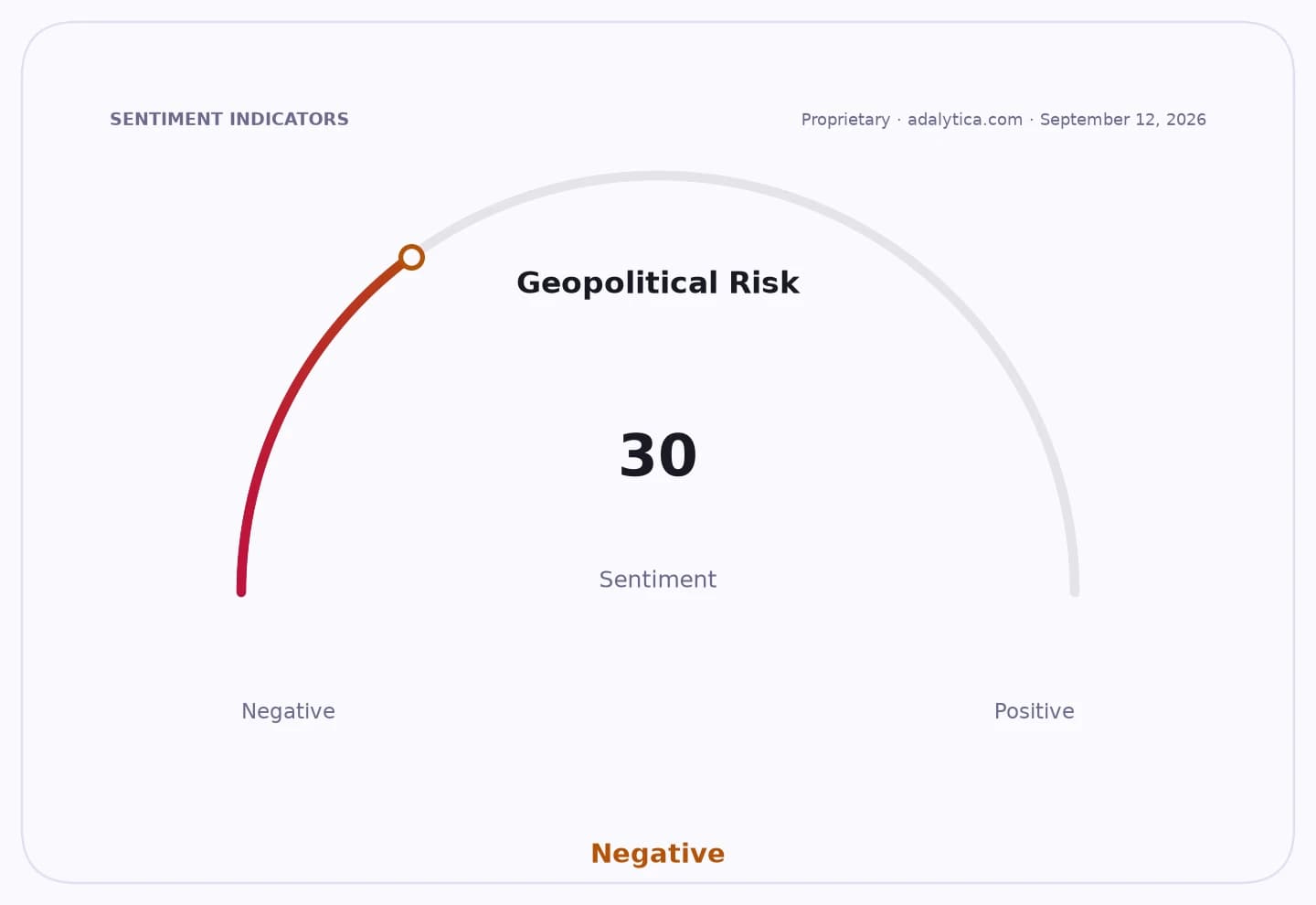
China said it is ready to help turn a new international anti-fraud alliance into a global platform, a move that underscores how telecom and cyber scams have become a more expensive cross-border policy problem for governments, banks and digital platforms.
Chinese State Councilor and Public Security Minister Wang Xiaohong made the case at the inaugural conference of the International Alliance Combating Telecom and Cyber Fraud in Lianyungang, saying Beijing wants stronger law-enforcement coordination, regular joint actions and training to curb cross-border fraud. The effort is being framed as part of broader public-security governance, but the immediate economic stakes are more concrete: online scams drain households, raise compliance costs for payment firms and lenders, and force technology companies to spend more on identity checks, monitoring and reimbursements.
The alliance’s launch also reflects a wider shift in how Beijing wants to present itself on cybercrime — less as a source of regulatory risk for global investors and more as a coordinator of security cooperation. Wang met security and interior officials from Azerbaijan, Cambodia, Malaysia, Armenia and Pakistan on the same day, signaling that China is trying to use the forum to build a wider enforcement network across jurisdictions that are often used as transit points for scam operations.
That matters for investors because fraud pressure cuts across several sectors. Payments firms such as PayPal have repeatedly warned in SEC filings that evolving fraud schemes can lead to significant costs, remediation spending and loss of customer confidence. E-commerce groups, messaging platforms and banks face similar exposure, while a more effective cross-border enforcement regime could reduce chargebacks, improve trust and support transaction growth over time.
The market reaction in Chinese internet names was muted, with Alibaba, Tencent and JD.com all trading lower in recent sessions, though the move appears driven more by broader risk appetite than by the anti-fraud announcement itself. Alibaba closed at $109.30 on Sept. 11, well below its 50-day and 200-day moving averages, while Tencent and JD.com were also trading under those longer-term benchmarks, reflecting persistent caution toward China internet stocks rather than a direct read-through from the policy headline.
For Beijing, the economic argument is that tighter coordination can lower the social and financial costs of fraud without relying solely on domestic crackdowns. For investors, the question is whether the alliance becomes a real enforcement mechanism — with shared intelligence, faster takedowns and extradition-style cooperation — or remains largely declarative. If it works, it could be a small but material positive for payment security, consumer confidence and platform economics. If not, cross-border fraud will remain a recurring headwind for the digital economy.
| Entity | Gains | Losses |
|---|---|---|
| China’s police and regulators | ▲Wider enforcement reach | ▼Higher coordination burden |
| Payments and fintech firms | ▲Lower fraud losses | ▼More compliance costs |
| Scammers and mule networks | ▲More scrutiny | ▼Tighter cross-border takedowns |
| Alibaba, Tencent, JD.com | ▲Potential trust boost | ▼Ongoing fraud-related risk |