China Launches Regular Arctic Cargo Service
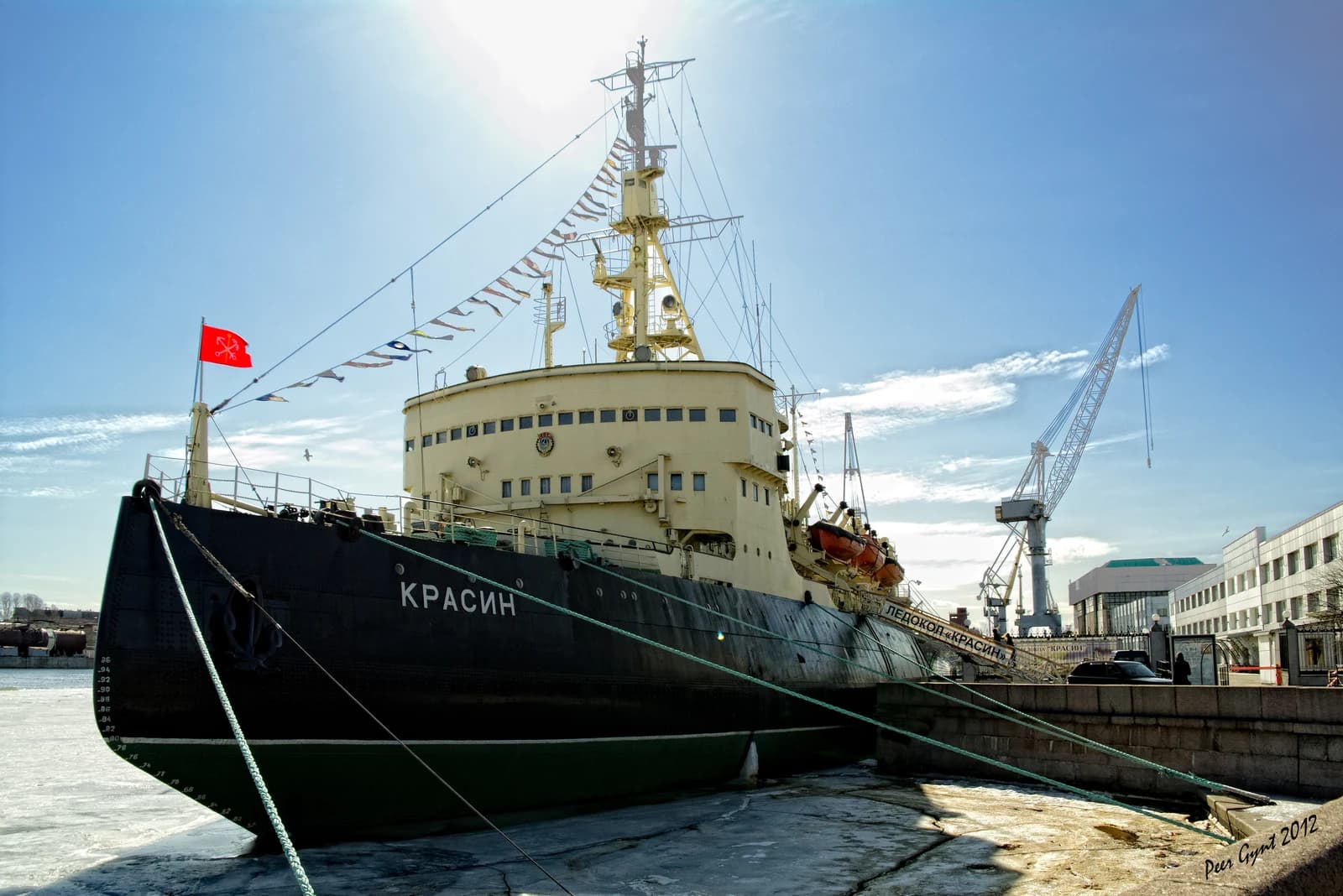
China has launched its first regular cargo service through the Arctic, a move that could shave roughly two weeks off Asia-Europe voyages but is far from proving the route is commercially viable.
The opening voyage by the Dubai Tower, a 175-meter Chinese container ship carrying 1,300 boxes of electric vehicles, batteries and renewable-energy equipment, is due to finish a three-week run from Qingdao to Teesport in England. Sea Legend says it plans eight trips this season, making the service the clearest attempt yet by a non-Arctic country to turn the melting Northern Sea Route into a repeatable trade lane.
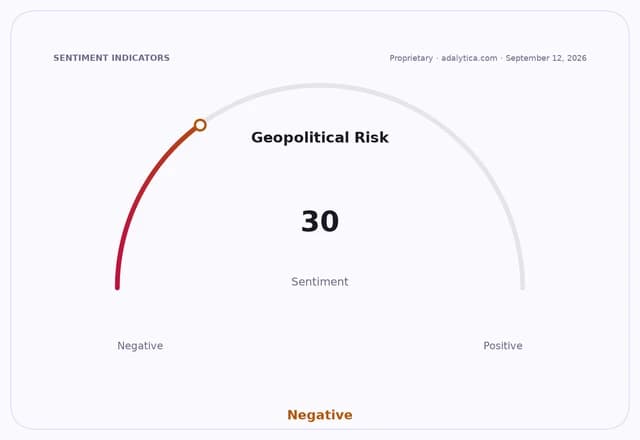
For shippers, the attraction is obvious: the Arctic shortcut is thousands of kilometers shorter than sailing via Suez or around the Cape of Good Hope, and it avoids some Middle East conflict zones. For everyone else in the business, the drawbacks remain severe. The sailing window is mostly limited to August and September, vessels often need icebreaker escort, weather and icebergs make timing hard to predict, and the route carries higher insurance and access costs because most of it runs along Russia’s coast.
That is why many shipping executives still call it uneconomic. Vidya Mani, a University of Virginia supply-chain professor, said the route is “not commercially viable,” while analysts say the narrow season, specialized ships and delay risk make it unsuitable for the large, predictable flows that global container lines depend on.
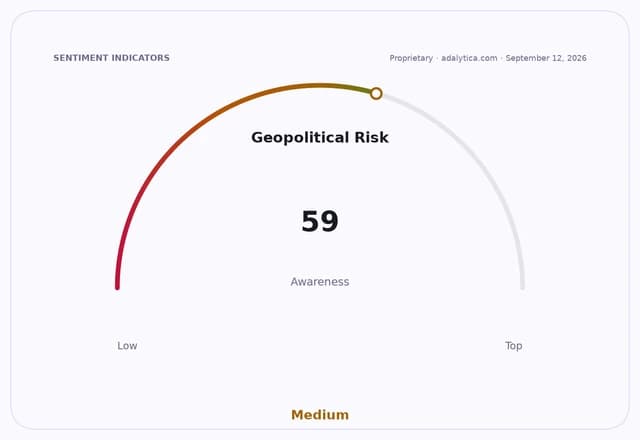
The geopolitical logic is harder to dismiss. China has long described itself as a “near-Arctic state,” has partnered with Russia on Arctic patrols and has pushed a polar Silk Road concept that has drawn suspicion in the West. Dexter Roberts of the Atlantic Council said China is the only non-Arctic country doing anything like this and argued the cumulative effect amounts to a “victory geostrategic” even if the economics are thin.
The numbers underline how early this remains. Only 13 container ships used the Northern Sea Route in 2025, a record, versus more than 1,800 that sailed through the Suez Canal last year. South Korea is also testing the route, but the market is still in pilot mode, not scale mode.
Russia stands to gain from any increase in traffic because the route strengthens its role as gatekeeper to the high north and deepens its commercial links with China. Western operators, meanwhile, remain constrained by sanctions on Russia and by the simple fact that reliability, not just distance, determines how much of global shipping can shift north.
Investors will watch whether the service expands beyond a symbolic first season and whether Arctic logistics can ever compete on cost, insurance and scheduling with established trade lanes. For now, the Dubai Tower looks less like a breakthrough in container economics than a real-world test of how far climate change and geopolitics can bend global shipping.
| Entity | Gains | Losses |
|---|---|---|
| China | ▲Shorter Asia-Europe route; strategic reach | ▼Higher operating risk |
| Russia | ▲Transit fees; stronger Arctic leverage | ▼Greater scrutiny from sanctions rivals |
| Sea Legend | ▲First-mover visibility | ▼Delay, cost and execution risk |
| Suez-route carriers | ▲Established scale and reliability | ▼Potential long-term traffic diversion |