China-Azerbaijan ties boost Eurasian corridor relevance
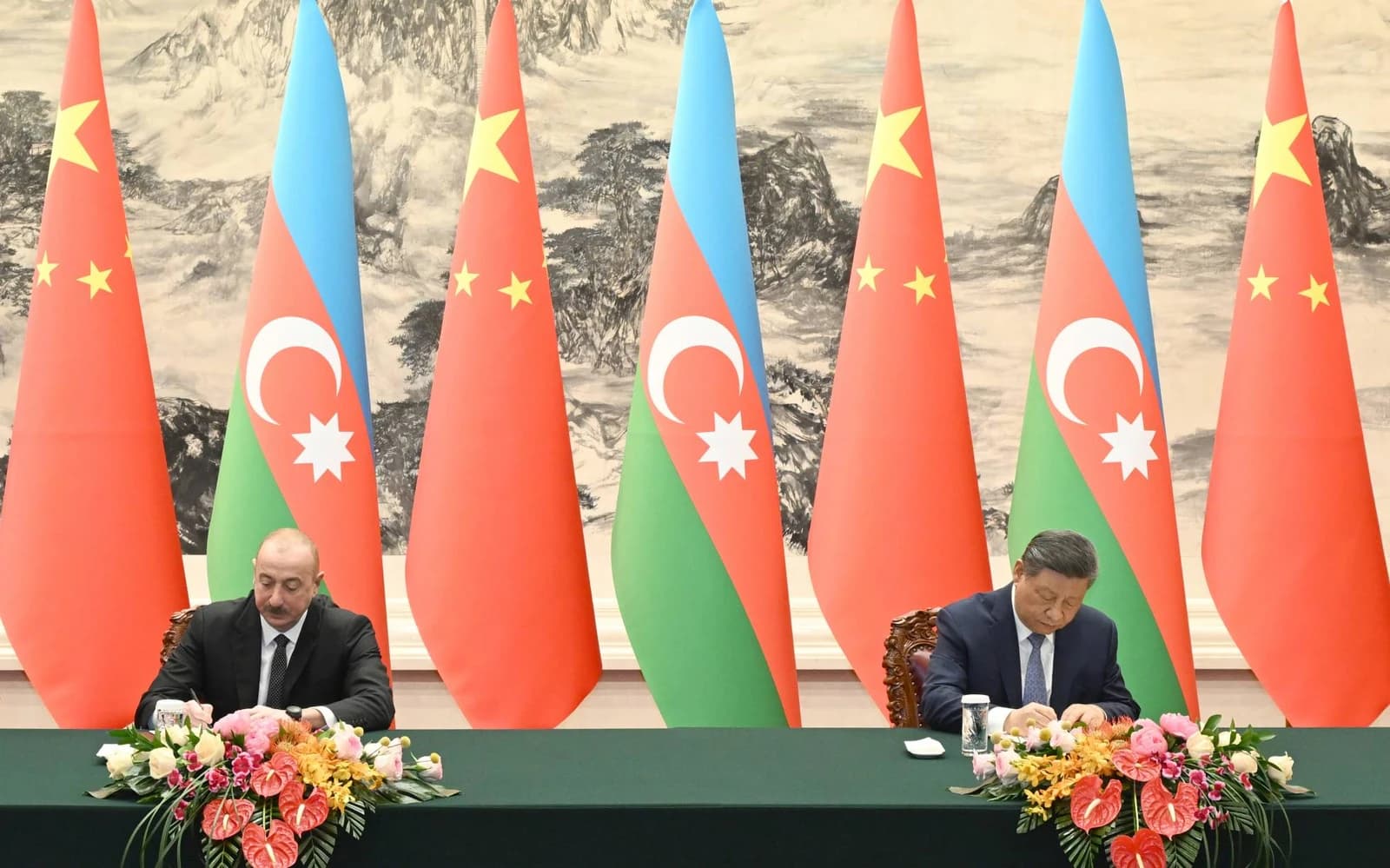
China’s decision to deepen its strategic partnership with Azerbaijan underscores a longer-term shift investors should not miss: Beijing is broadening its reach across Eurasia at a time when energy routes, regional security and trade corridors are becoming more valuable, not less.
That matters because Azerbaijan sits at the intersection of three big investment themes — energy security, transport diversification and geopolitical hedging. For China, closer ties with Baku can help reinforce supply-chain resilience and widen access to a strategically located corridor linking the Caspian, the South Caucasus and Europe. For Azerbaijan, the relationship offers another powerful patron at a moment when it is trying to consolidate its diplomatic position after moving closer to a peace deal with Armenia.

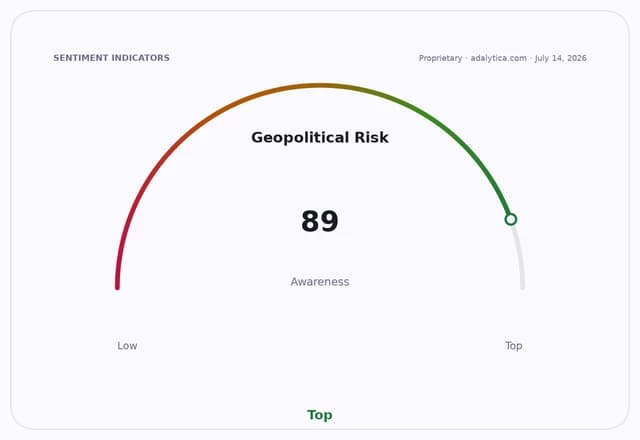
The timing is important. Global markets are already sensitive to geopolitical risk, with Adalytica’s Global Stability Sentiment flashing extreme fear even as awareness of the issue remains high. In that kind of environment, countries that can offer transit, energy cooperation and a degree of regional stability become more valuable to major powers — and potentially to investors looking for durable infrastructure and commodity exposure.
The energy angle is especially relevant. Azerbaijan’s role in regional electricity supply and transit to Georgia adds to its importance as a connector, not just a producer. That helps explain why partnerships of this kind can have outsized economic impact: they are less about a single deal and more about shaping the flow of trade, fuel and capital over years.
Markets are also giving a clear signal that energy remains central to the story. U.S. crude has been volatile, and the price swings in oil-linked funds such as USO and energy shares like XLE show how quickly geopolitics can reset sentiment. XLE has rebounded alongside crude’s recovery, while China-focused equities, reflected in FXI, remain much more fragile. In other words, investors are still rewarding energy strength while staying cautious on China exposure that depends on domestic growth rather than external strategic positioning.
For long-term investors, the real takeaway is that the China-Azerbaijan relationship is part of a broader reordering of trade and energy corridors. That does not mean every headline will translate into immediate profits, but it does suggest that infrastructure, energy transport and regional producers tied to Eurasian route-building may keep gaining strategic value.
If you invest with a multi-year horizon, this is worth watching. The winners are likely to be countries and companies that can move energy, goods and capital through increasingly important chokepoints; the losers may be those left exposed to a more fragmented and politically charged global system.
| Entity | Gains | Losses |
|---|---|---|
| China | ▲Wider Eurasian influence | ▼Less strategic leverage for rivals |
| Azerbaijan | ▲Diplomatic support and transit value | ▼Dependence on balancing powers |
| Energy exporters and corridor operators | ▲Stronger route relevance | ▼Greater geopolitical scrutiny |
| China-exposed equities | ▲Strategic optionality in the region | ▼Domestic-growth weakness remains |