China banks get $54B recapitalization support
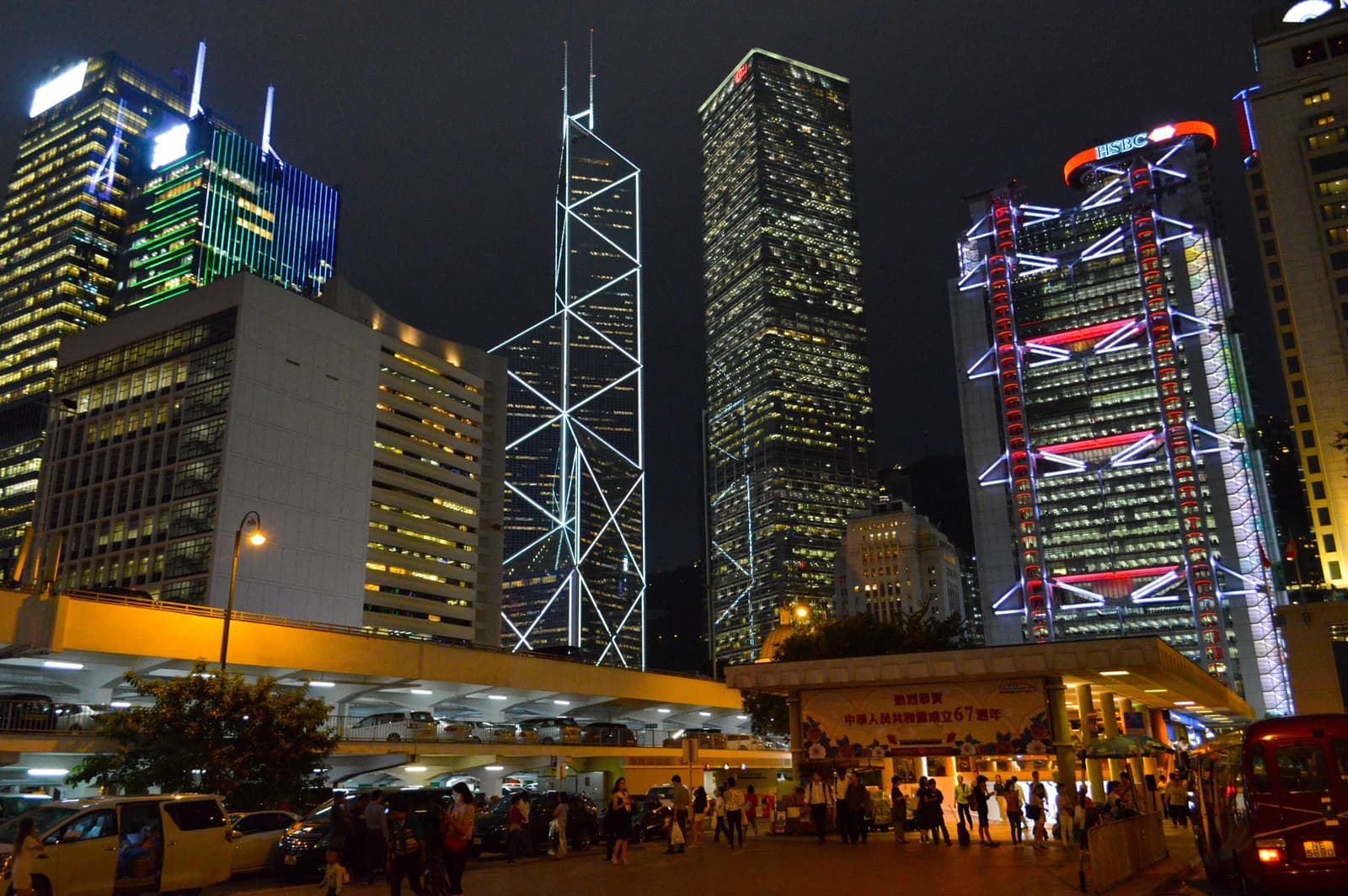
China is pouring more than $54 billion into its banks and insurers because the deeper threat to the financial system is not capital, but confidence: households and companies are still hoarding cash instead of borrowing and spending.
That matters because Beijing can recapitalize lenders, but it cannot quickly force demand back into the economy. The support package, led by the finance ministry, is meant to strengthen lending capacity at institutions including Industrial and Commercial Bank of China and Export-Import Bank of China, while bringing insurers such as China Life into the effort for the first time in years. The policy move follows a separate $72 billion rescue of the country’s four biggest banks last year, underscoring how persistent the pressure has become.
The real economic drag is not a shortage of credit. China’s banking system is still considered adequately capitalized by the World Bank. The problem is that profit margins on loans have fallen to record lows in the first quarter, while insurers face similar profitability stress from a low-rate environment and weak demand for policies. When lenders and insurers cannot earn enough on new business, they become less effective engines of growth — even when the state is ready to top them up.
The source of the weakness is familiar and far more stubborn: the property slump. Housing construction remains depressed, home prices are falling and households that once treated apartments as their main store of wealth are seeing paper values erode. Add a soft labor market and high youth unemployment, and the result is a consumer that saves rather than spends. China is now saving more than 30% of disposable income, more than double the OECD average, a clear sign that households remain defensive despite lower financing costs.
That is why the aid package matters to investors well beyond the Chinese financial sector. More bank capital can support loan growth at the margin, and insurer balance sheets may be able to buy more domestic assets, helping state-directed flows into the local market. But it does not fix the central problem: weak domestic demand. For equities, that means the market is still likely to reward the beneficiaries of policy support — the biggest banks, insurers and state-linked asset buyers — while staying cautious on retailers, consumer discretionary names and lenders dependent on a real spending rebound.
This is also why Beijing’s next move matters more than the latest bailout. The leadership’s five-year plan now places more weight on domestic demand and social policy, and the World Bank has said China needs a stronger social safety net to make households feel secure enough to spend. Until that structural shift happens, the new billions will buy time, not a genuine consumption recovery. Investors should treat the rescue as a signal to own policy-backed financials selectively, but not as proof that China’s demand problem is solved.
| Entity | Gains | Losses |
|---|---|---|
| ICBC, Export-Import Bank of China | ▲More capital, lending capacity | ▼Lower return pressure |
| China Life and insurers | ▲Balance-sheet support, asset buying power | ▼Margin squeeze persists |
| Chinese banks overall | ▲State backing, liquidity confidence | ▼Weak loan demand |
| Consumers, retailers, Ikea | ▲— | ▼Softer spending, cautious demand |