China Central Asia Transport Buildout and Trade Routes
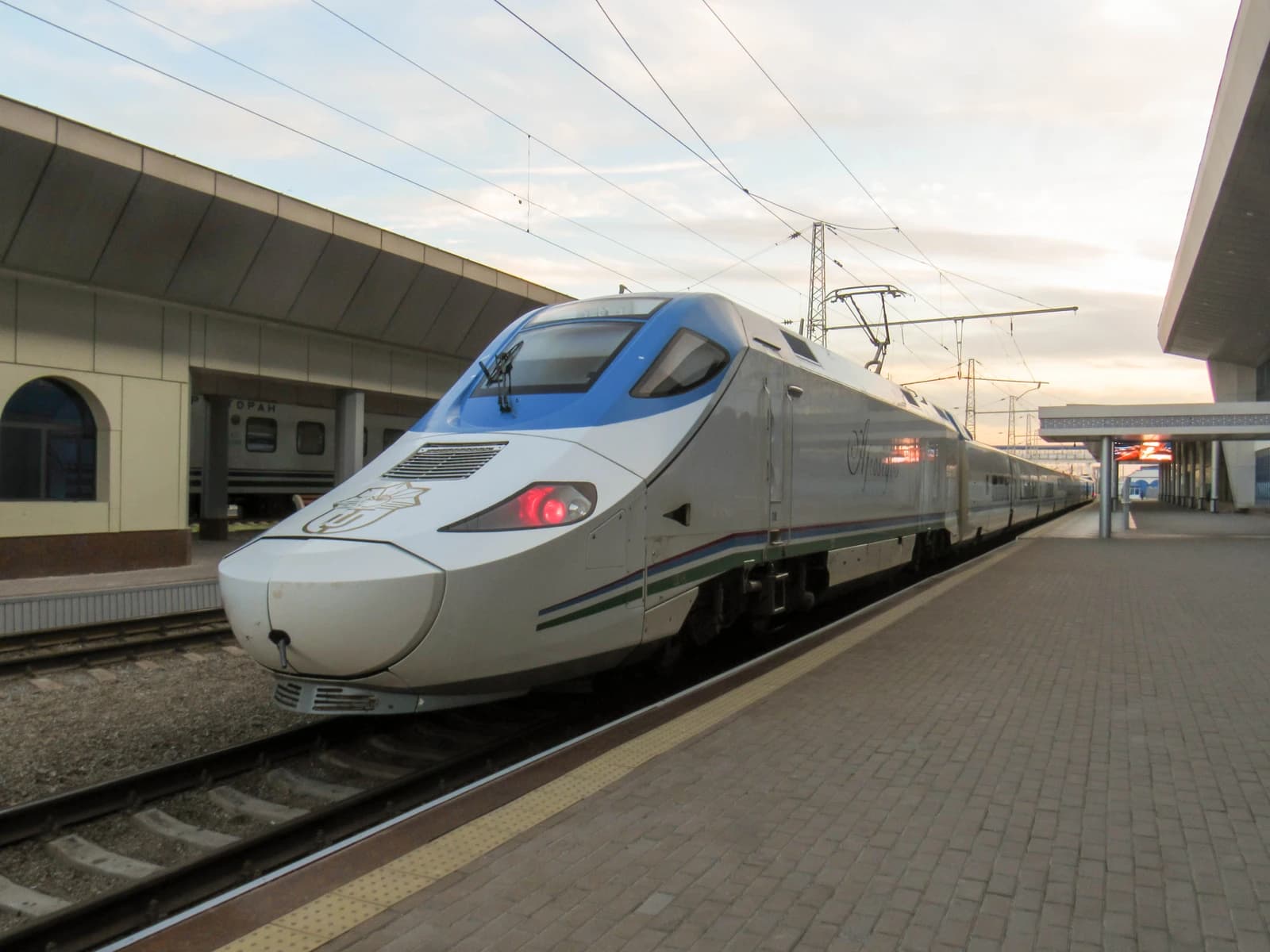
China is becoming the biggest winner from Central Asia’s $72 billion transport buildout, as a wave of roads, railways and cross-border links redraws the region’s trade routes and could permanently shift freight flows between Asia, Europe and the Middle East.
That matters because Central Asia is no longer just a transit gap on the map. It is turning into a networked corridor system with the potential to lower shipping times, diversify supply chains and create a new toll-road economy for countries that have long been boxed in by geography. For investors, the opportunity sits not only in the region itself but in the infrastructure, logistics, construction and financing chains attached to China’s westward push.
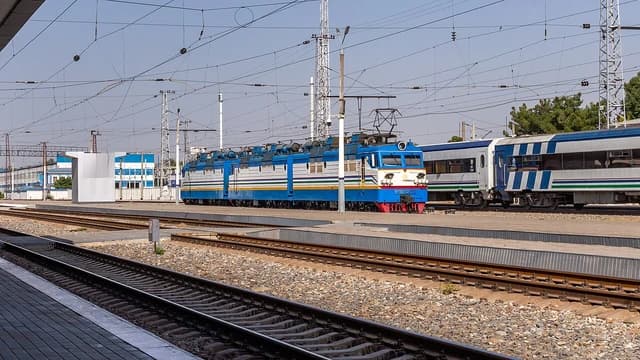
The Eurasian Development Bank says Central Asia has 114 transport projects underway or under consideration, worth about $72 billion, with roughly $46 billion earmarked for roads and about 30% for rail. Kazakhstan alone accounts for about 55 projects valued at $32.6 billion, underscoring its role as the region’s critical overland hub. EDB analysts say about 85% of China-Europe overland transit passes through Kazakhstan, making the country’s networks a strategic choke point for Eurasian commerce.
The key market implication is that this is not a one-corridor story. It is a capital-spending cycle driven by trade diversification, regional integration and the search for alternatives to older, more vulnerable routes. The EDB says more than 400 transport projects across broader Eurasia are planned or underway through 2035, and that the region’s infrastructure is increasingly being built as a system rather than a series of national projects.
China sits at the center of that system. The EDB says projects involving Chinese companies and capital in Central Asia total about $7 billion, more than the combined volume of all international development banks it tracks. Chinese participation spans roads, railways, airports and ports, funded through loans, grants, technical assistance, direct investment and public-private partnerships. That breadth matters because it suggests Beijing is not merely financing trade links; it is helping define the commercial architecture of the region.
The standout project is the China-Kyrgyzstan-Uzbekistan railway, a 523-kilometer line with 27 tunnels and 48 bridges, budgeted at $4.7 billion. Half the cost is to be financed by a Chinese loan, with the rest coming from a joint venture in which a Chinese company holds a 51% stake. This is more than a construction story. It is a strategic rerouting play that could give China additional access to Europe, the Caspian basin and South Asia while reducing dependence on narrower existing paths.
For investors, the thesis is simple: the market underestimates the second-order winners from Eurasian connectivity. The obvious beneficiaries are builders, equipment makers, engineers, rail operators, port and logistics firms, and the financial institutions providing long-duration capital. The less obvious beneficiaries are the countries that can monetize geography by becoming indispensable transit nodes, especially Kazakhstan, Kyrgyzstan and Uzbekistan.
The risk is execution. EDB analysts warn that a corridor is only as strong as its weakest border crossing, customs system, logistics hub or digital platform. That means the biggest upside will accrue to projects that solve bottlenecks across multiple countries, not just those that pour concrete. In other words, the winners will be the players able to stitch together rail, road, port and policy into a functioning network.
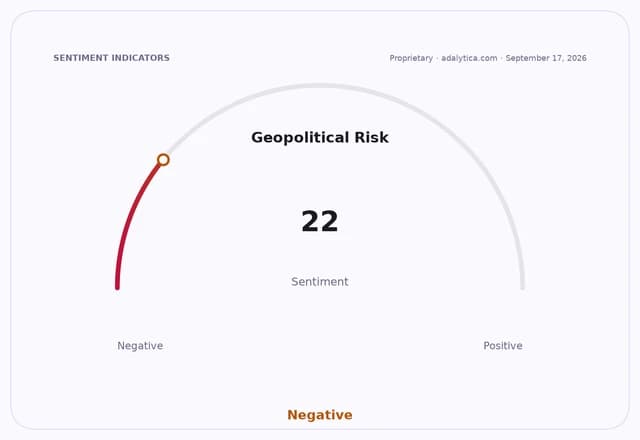
That is why the macro backdrop matters. With supply chains still being diversified and geopolitical risk still high, Central Asia’s transport buildout is a durable secular trend, not a one-off stimulus wave. The region is being positioned as a connective layer in Eurasia, and China is the main catalytic force. I believe investors should treat this as an early-stage infrastructure cycle with asymmetric upside: the best opportunities are in the picks-and-shovels names and regional markets tied to freight, logistics and cross-border trade, before the broader market fully prices in the scale of the Eurasian network being assembled.
| Entity | Gains | Losses |
|---|---|---|
| China | ▲New trade routes | ▼Route dependence |
| Kazakhstan | ▲Transit fees and leverage | ▼Bottleneck pressure |
| Central Asian builders/logistics firms | ▲Infrastructure demand | ▼Execution risk |
| Rival corridors | ▲Less traffic share | ▼Cargo diversion |