China CIFTIS Opens in Beijing With 1,800 Firms
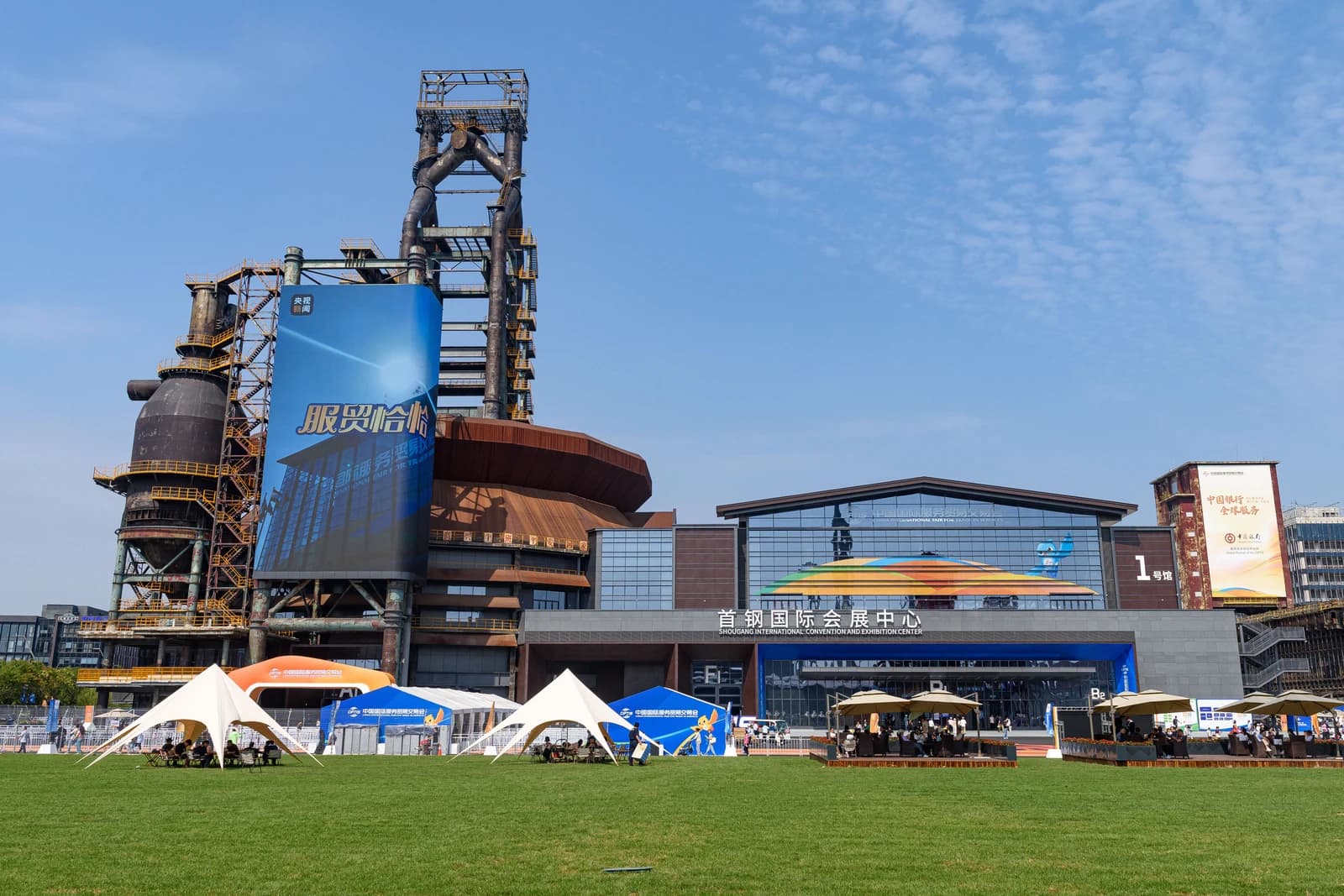
China’s biggest services trade showcase opened in Beijing with 90 countries and regions represented, underscoring how Beijing is using the sector to broaden its growth model just as the economy leans more heavily on exports of know-how, software and digital services.
The China International Fair for Trade in Services, or CIFTIS, runs through Sept. 13 at Shougang Park and brings more than 1,800 companies, including 473 Fortune Global 500 firms such as Honeywell, Johnson & Johnson and Siemens. The scale matters because services trade is becoming a larger economic lever for China at a time when policymakers want to open markets, attract foreign capital and push higher-value exports beyond goods.
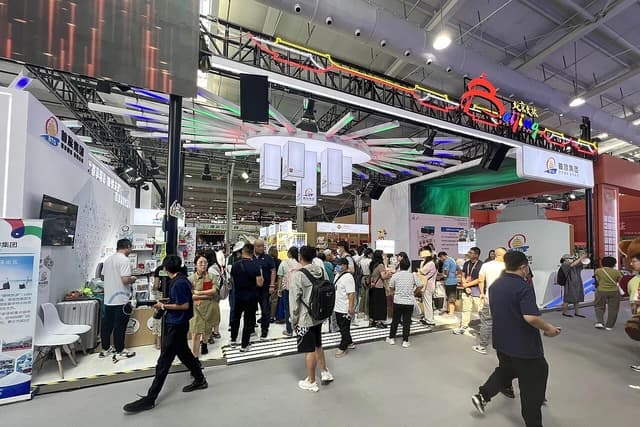
Official data showed China’s services trade totaled nearly 4.45 trillion yuan in the first seven months of 2026, up 8.3% from a year earlier. At the same time, a Brand Finance report released at the fair said China now ranks second globally with 21 brands among the world’s 100 most valuable trade-in-services brands, with a combined value of $876.8 billion.
That combination points to a sector that is no longer just about travel and transport. Beijing is leaning on knowledge-intensive services, intellectual property and digital platforms as part of the 15th Five-Year Plan period, which calls for easier cross-border restrictions, more support for services exports and expanded opening in areas such as fintech, healthcare and communications.
For investors, the message is that China is trying to make services a more durable part of the growth story even as manufacturing faces slower global demand and geopolitical friction. The fair’s more than 100 debut products and services include offerings in information and communications, fintech and digital healthcare, while a showcase of more than 140 innovation cases highlights artificial intelligence, large language models and intelligent agents.
The event is also being used to help Chinese firms go abroad. A new overseas expansion services area provides compliance and risk support for companies entering foreign markets, a sign that Beijing wants domestic services providers to become more competitive internationally rather than relying only on the home market.
The opening came with a heavy diplomatic push. Vice Premier Ding Xuexiang said advancing trade in services and opening the sector wider is “not only China’s choice but also a global necessity,” while guests from Zimbabwe, Bulgaria and Norway all framed services cooperation as a route to investment, market access and technology partnerships.
Norway, this year’s guest of honor, highlighted how the fair is also about commercial ties that extend beyond traditional goods trade. Norwegian companies are looking to China for robotics, AI and automation cooperation, while Beijing is signaling that foreign firms can still find room to expand despite broader trade tensions with the West.
Market-wise, the backdrop remains mixed. China-focused ETFs such as FXI, MCHI and Alibaba shares have been under pressure in recent sessions, with technical indicators including their 50-day and 200-day moving averages and RSI readings pointing to weak momentum. That leaves investors looking for signs that policy support for services and digital commerce can translate into earnings growth rather than just conference headlines.
The key test now is execution: whether the fair’s deals, overseas expansion support and new opening-up pledges turn into measurable services revenue, cross-border contracts and foreign investment flows over the rest of the 15th Five-Year Plan period.
| Entity | Gains | Losses |
|---|---|---|
| China services firms | ▲Export support, new markets | ▼Compliance costs, competition |
| Foreign exhibitors | ▲Market access, partnerships | ▼Policy uncertainty, slower demand |
| Chinese policymakers | ▲Openness narrative, growth mix | ▼Pressure to deliver results |
| China-focused investors | ▲Services growth catalyst | ▼Near-term weak price momentum |