China Credit Growth Supports Policy Backstop
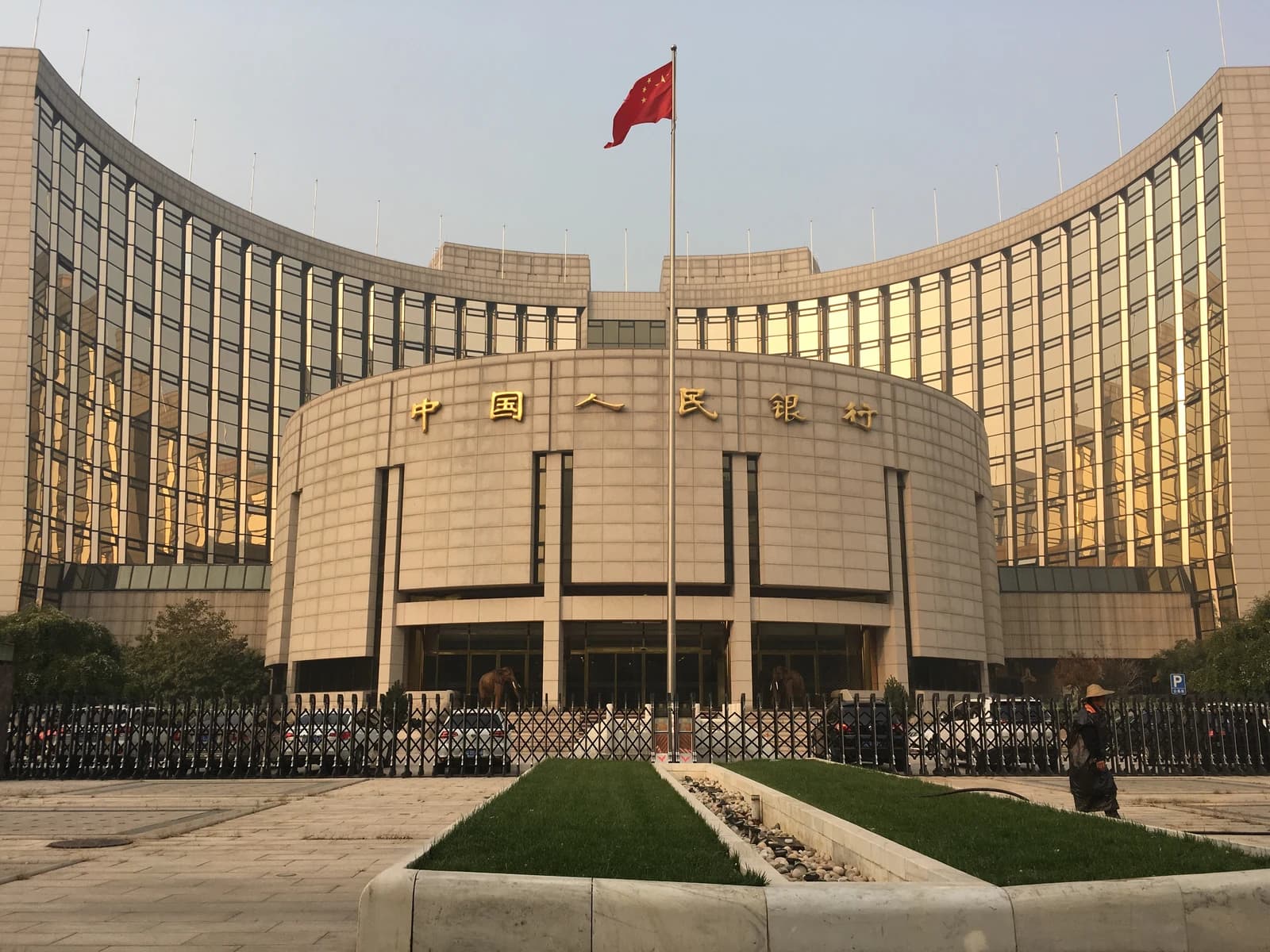
China’s latest credit data show policymakers are still leaning hard on liquidity to keep the world’s second-largest economy moving, even as growth remains uneven and the property drag lingers.
The People’s Bank of China said aggregate social financing rose by 22.25 trillion yuan in the first seven months of the year, while broad money supply, or M2, increased 7.7% from a year earlier in July. For investors, that combination matters because it signals the central bank is maintaining enough monetary support to help banks lend, local governments refinance, and businesses roll over debt rather than face a sudden tightening shock.
In plain English, China is still trying to steady demand with credit. That is economically important because credit creation is one of the main channels Beijing uses to support activity when consumption is soft and private investment is cautious. The more financing flows through the system, the better the odds of a stabilizing backdrop for infrastructure spending, manufacturing investment and select consumer sectors.
The market reaction has been telling. China-focused exchange-traded funds have been choppy rather than euphoric, suggesting investors are willing to give policymakers credit for support but are still waiting for stronger evidence that it is feeding through to real growth. The FXI China large-cap ETF remains below its longer-term trend gauges, while the broader MCHI fund has recovered from earlier weakness but is still trading beneath its 200-day moving average. That points to a market that likes easier policy, but does not yet trust the earnings payoff.
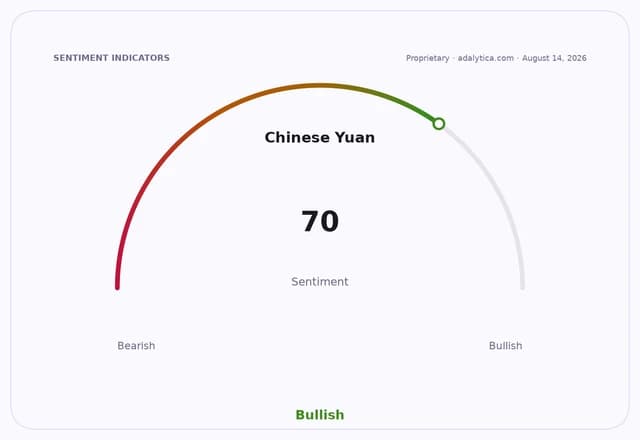
The yuan, meanwhile, has been drawing attention as traders weigh easier domestic policy against the need to preserve currency stability. Adalytica’s Chinese yuan trade signals show elevated awareness and neutral sentiment, a sign that investors see policy support as real but are not rushing to bet on a one-way move. For long-term investors, that is important: easier credit can help Chinese assets stage rallies, but sustained gains usually need a cleaner growth story and more durable corporate profit momentum.
The bigger narrative is that Beijing is choosing continuity over shock therapy. Rather than deliver a dramatic stimulus burst, it is allowing credit to expand steadily and keeping financing conditions supportive. That approach can buy time for the economy, but it also means investors should expect a slower, more selective recovery — one that favors companies tied to policy-supported sectors and leaves cyclical disappointment risks in place if demand does not improve.
For patient investors, the message is straightforward: China remains a trade on policy support, not yet a full conviction growth story. That makes the market worth watching, but still best approached with discipline and diversification.
| Entity | Gains | Losses |
|---|---|---|
| Chinese banks and lenders | ▲More loan demand | ▼Less margin pressure relief |
| Infrastructure and industrial firms | ▲Easier financing | ▼No broad demand surge yet |
| China ETFs and risk assets | ▲Policy backstop | ▼Weak earnings conviction |
| Yuan bears | ▲Volatility opportunities | ▼Risk of policy-driven stabilization |