China-Cuba Tensions Keep Geopolitical Risk Elevated
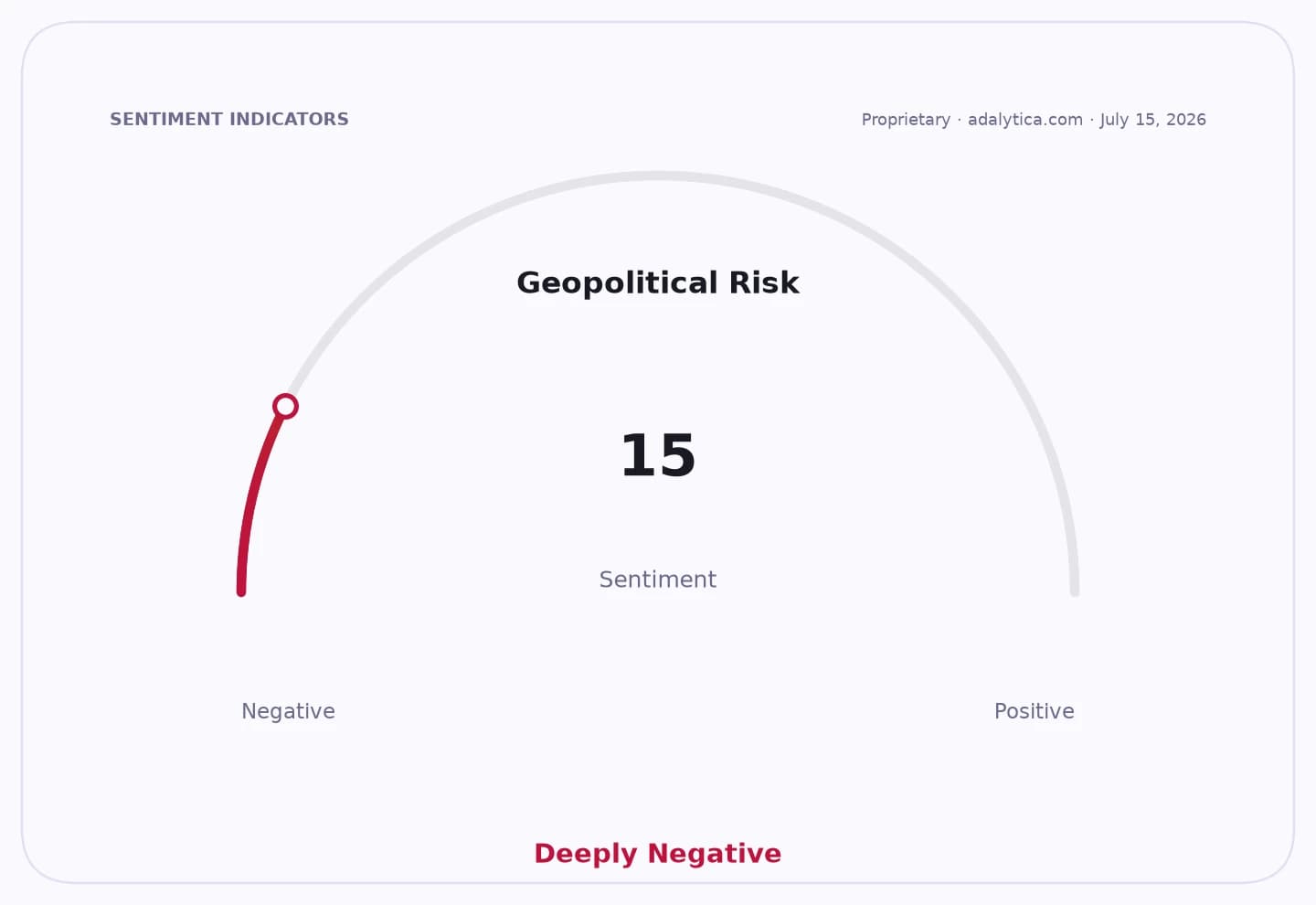
China’s forceful defense of Cuba is more than diplomatic theater: it signals that Havana is becoming another front in the U.S.-China rivalry, with sanctions pressure, trade access and geopolitical alignment all moving into the same frame.
For investors, that matters because the Cuba issue is no longer just about one Caribbean economy. It sits inside a broader contest over influence in Latin America, where Beijing is trying to position itself as a counterweight to Washington while Washington leans harder on sanctions and hemispheric pressure. That dynamic raises the odds of a longer, more polarized policy environment — one that can keep risk premia elevated across regional sovereign credit, tourism-linked assets and China-sensitive emerging-market trades.

China’s message was clear: it wants an end to what it calls coercion and external interference, and it is framing Cuba’s predicament as a sovereignty issue. That language matters because it is the kind of rhetoric Beijing uses when it wants to signal that a bilateral dispute is becoming strategic. In practical terms, that can translate into more diplomatic cover for Havana, more room for targeted economic support, and a stronger willingness by China to lean into global forums where it can challenge U.S. sanctions policy.
The market has largely treated Cuba as a humanitarian and political story, but the economic subtext is the real catalyst. Cuba remains vulnerable to fuel shortages, foreign-exchange strain and weak growth, and sanctions limit its ability to attract capital and trade. If China deepens support, even indirectly, it could help sustain Cuba’s access to goods, financing channels or tourism flows. That would not solve the island’s structural problems, but it could delay default-style stress and keep alive a fragile recovery narrative.
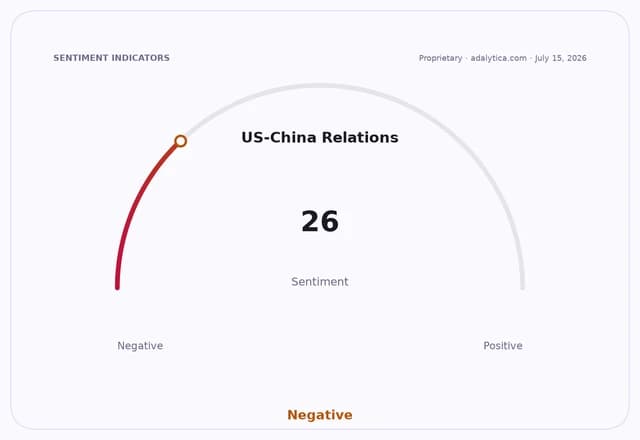
The broader investment implication is that geopolitical fragmentation is becoming an asset-allocation theme, not just a headline risk. When U.S.-China relations deteriorate, capital tends to favor defensive havens and liquid proxies while punishing exposure to politically sensitive frontier economies. That is why instruments tied to global risk appetite and China macro sentiment, such as broad Chinese equity exposure, can become volatile even when the direct economic link to Cuba is small. The latest technical setup in FXI, the iShares China Large-Cap ETF, shows that pattern well: after a sharp run-up, it has pulled back and is trading below its 50-day moving average, a sign that the market is still struggling to price the next geopolitical impulse.
Adalytica’s US–China Relations Sentiment gauge is flashing fear, while awareness remains high. That combination is important: the market is watching the story, but it has not built in a stable resolution. In that kind of environment, investors should think in second-order effects. The winners are usually the policy beneficiaries — defense, logistics, commodity security and selective China exporters with less direct U.S. exposure. The losers are the countries and companies caught between sanctions regimes, diplomatic retaliation and weaker capital flows.
China’s firm support for Cuba tells us the contest is widening, not easing. The real opportunity is to position for prolonged geopolitical fragmentation, favoring assets with pricing power, strategic importance and policy shelter while avoiding vulnerable frontier exposure that depends on a thaw that may never come.
| Entity | Gains | Losses |
|---|---|---|
| China | ▲Geopolitical leverage | ▼Diplomatic friction |
| Cuba | ▲Policy cover | ▼Sanctions pressure |
| U.S. sanctions hawks | ▲Domestic backing | ▼Regional influence |
| FXI / China equities | ▲Policy stimulus hopes | ▼Geopolitical uncertainty |