China Curbs 600,000 Tonnes of Feed Corn Imports
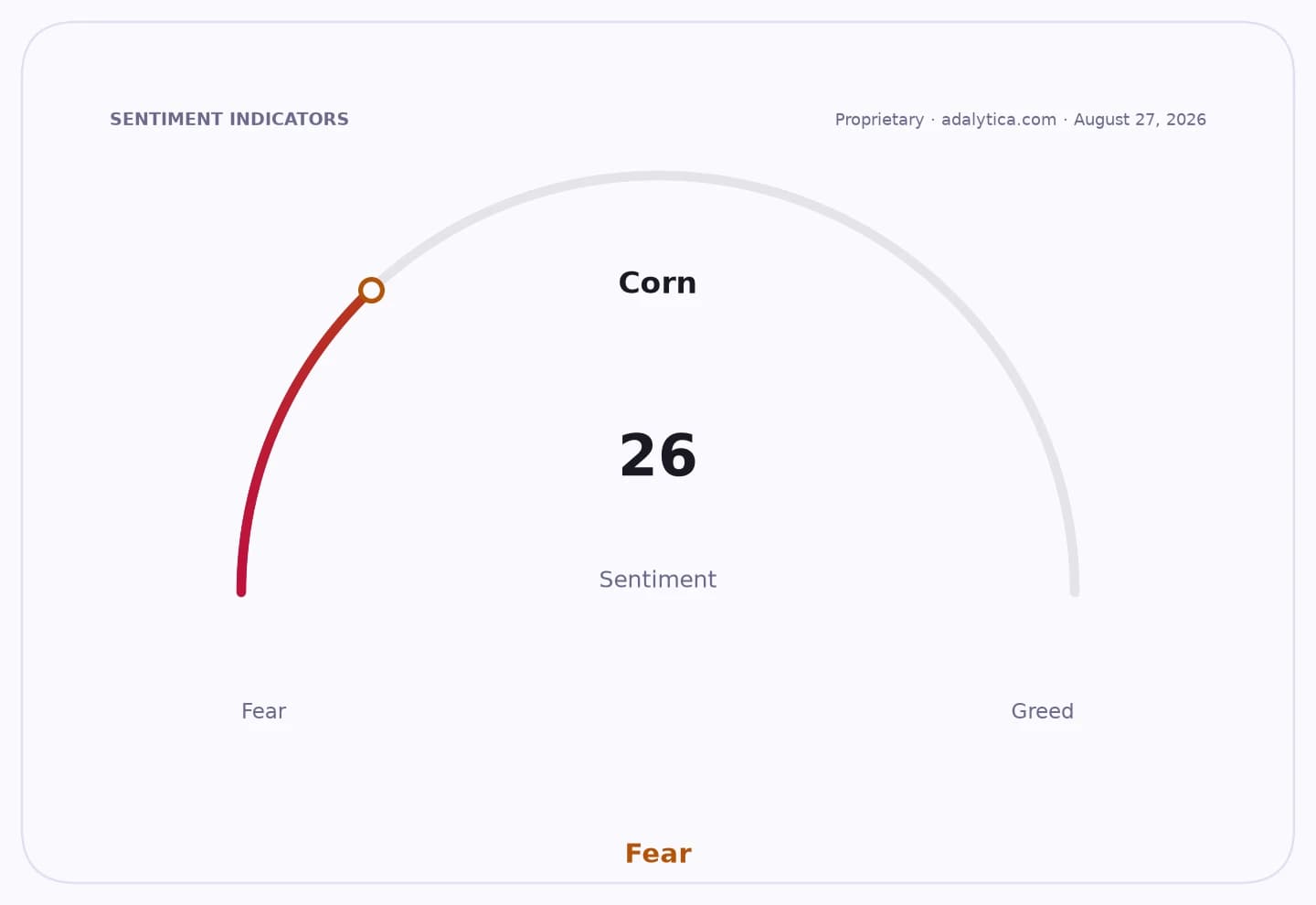
China has moved to curb about 600,000 tonnes of feed corn imports as Beijing tries to steady domestic grain prices at a time when global corn markets are already being jolted by weather stress and strong overseas demand.
The import brake matters because it is not just a trade tweak. It is a market intervention aimed at shielding Chinese farmers and feed producers from import competition, and it comes as corn futures have climbed to multi-year highs on supply fears tied to dry weather and weak crop ratings in the U.S. Corn Belt. Any reduction in Chinese buying can reshape trade flows, tighten or loosen regional supply balances and alter the price outlook for livestock feed, biofuels and food inflation.
For investors, the move is a reminder that policy can amplify an already fragile agricultural market. Corn prices have been bid up by weather-driven supply concerns, while benchmark Chicago corn futures have been supported by robust demand and a broader rally in grains. In that setting, even a relatively modest import restriction can matter at the margin because the market is already sensitive to changes in end-demand from one of the world’s biggest consumers.
The timing is important. The U.S. crop outlook has deteriorated in key growing regions, keeping speculative money focused on potential shortages, while international buyers continue to seek alternative origins such as Brazil. That combination has left grain markets vulnerable to sharp swings. If China slows feed-corn purchases, it could cap some of the upside in global prices by trimming demand; if weather damage deepens further, the policy move may prove too small to offset a tighter supply backdrop.
The likely result is a two-speed market. Domestic Chinese prices get support from the import brake, while exporters and global traders face the risk of softer Chinese buying even as broader supply worries persist. For livestock producers and feed users, the danger is higher input costs. For grain bulls, the bigger question is whether policy intervention in China can really counter a weather-led rally that is now drawing in speculative and commercial buyers alike.
What to watch next is whether Beijing extends the import restraint, how U.S. crop conditions evolve through the peak growing period and whether corn futures can hold above recent highs without another round of import demand from major Asian buyers. If weather remains adverse, the policy action may slow, but not reverse, the market’s bullish bias.
| Entity | Gains | Losses |
|---|---|---|
| Chinese corn farmers | ▲Higher domestic prices | ▼Import competition |
| Feed users in China | ▲Policy clarity | ▼Higher input costs |
| Global corn exporters | ▲Stable demand elsewhere | ▼Lost Chinese sales |
| Long corn traders | ▲Tight supply narrative | ▼Policy-led pullbacks |