China upgrades Djibouti naval base signals array
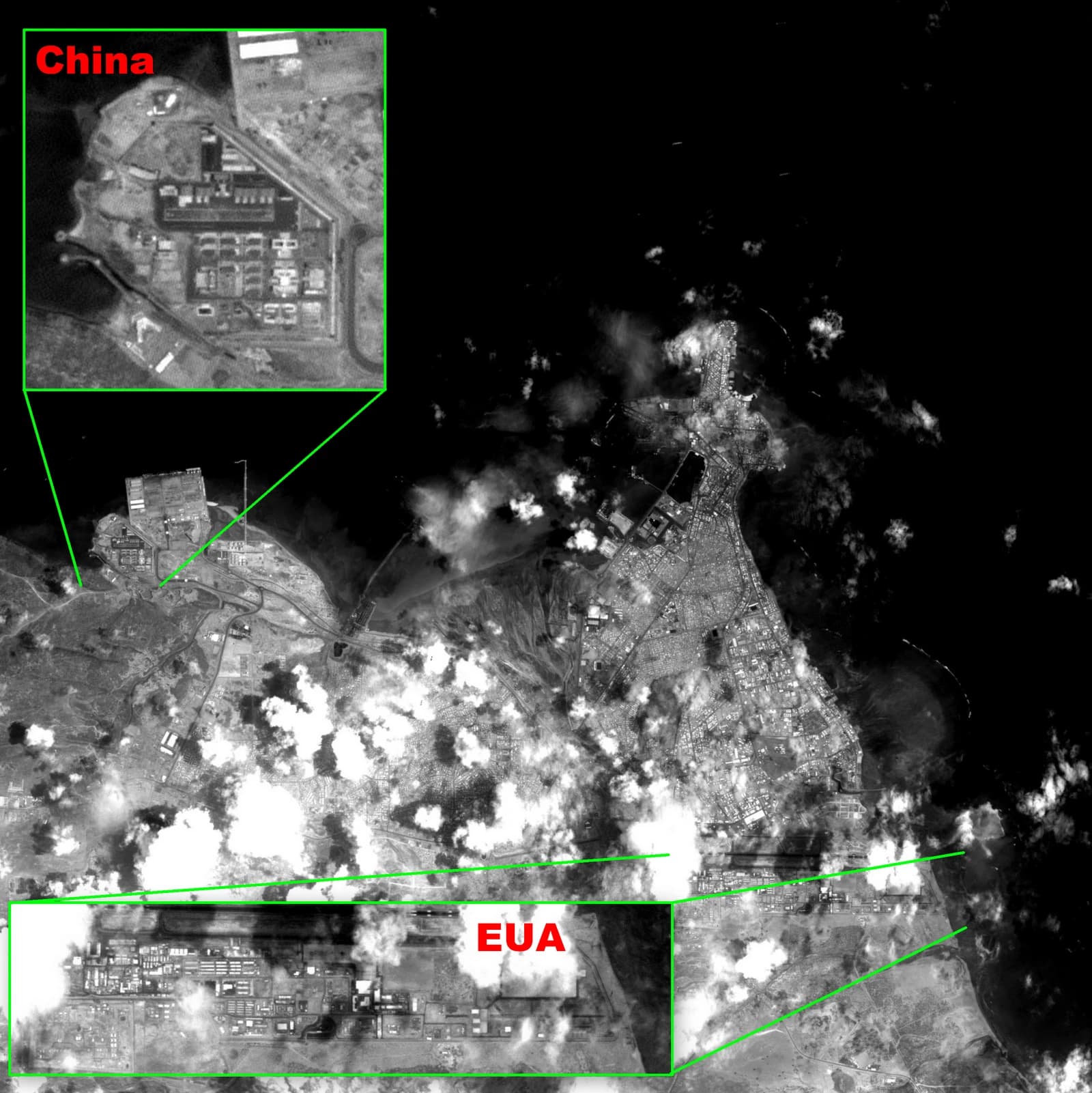
China has upgraded its naval base in Djibouti with a broader signals array that points to a bigger intelligence role in the Red Sea, the Arabian Sea and the Horn of Africa, deepening Beijing’s military footprint at one of the world’s most strategically sensitive chokepoints.
That matters because Djibouti sits astride shipping lanes that carry trade between Europe, Asia and the Middle East, while also placing China within range of US, European and regional naval operations. A stronger collection site there could improve Beijing’s visibility on merchant traffic, military movements and conflicts spilling across Yemen, Sudan and Somalia.
A report by the Center for Strategic and International Studies said recent improvements at the People’s Liberation Army Navy’s Doraleh base include aerials and satellite dishes spanning high frequency, very/ultra high frequency, SATCOM and 5G bands. CSIS said it could not determine whether the arrays are for transmission or reception, but argued the layout looks more consistent with passive interception than simple communications support.
The base is China’s only acknowledged overseas military installation, although it was originally described as the first of several under the classified Project 141. That expansion has largely stalled, with Chinese access in places such as Cambodia, Sri Lanka and potentially Abu Dhabi appearing to tilt more toward visiting-ship support than permanent basing, according to the report.
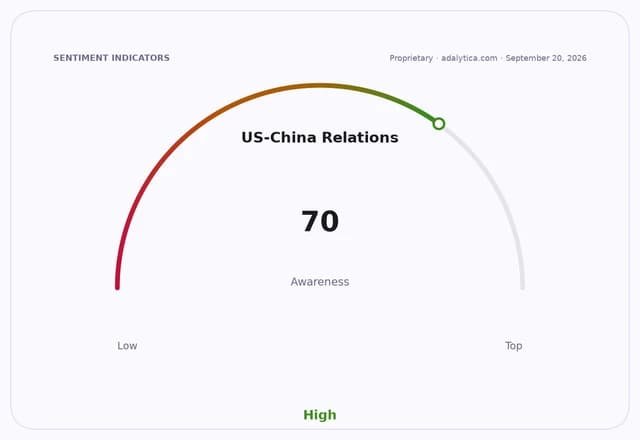
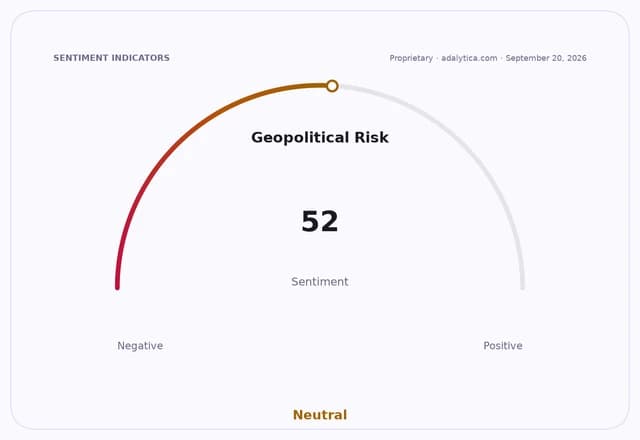
For investors, the development reinforces the geopolitical premium on global shipping routes and defense spending, especially as the US Navy maintains a large presence in the Arabian Sea and commercial traffic in the Red Sea remains exposed to conflict risk. Any improvement in Chinese surveillance of that corridor adds another layer to an already crowded intelligence contest among Beijing, Washington and regional powers.
The report also noted that China can already move satellite imagery and other information through channels linked to Iran and, by extension, the Houthis in Yemen, raising the possibility that signals intelligence could be shared the same way. Beijing has denied using its escort deployments for anything beyond anti-piracy and UN-backed tasks, but the escort groups rarely help non-Chinese ships and have at times stood by when foreign vessels came under attack.
China’s 49th naval escort group is now stationed in Djibouti, while the 48th group is headed home after a rotation that included a goodwill stop in Bangladesh. The likely outcome is a more durable Chinese intelligence presence in the region, even if Beijing continues to frame the mission as routine maritime security.
| Entity | Gains | Losses |
|---|---|---|
| China / PLAN | ▲Better regional intelligence | ▼More scrutiny from rivals |
| US Navy / allies | ▲Stronger case for counter-surveillance | ▼Less operational secrecy |
| Red Sea shippers | ▲Potentially improved awareness of threats | ▼Higher geopolitical risk premium |
| Djibouti government | ▲Deeper strategic ties with China | ▼Greater exposure to great-power rivalry |