China ETFs FXI and MCHI Below 200-Day Averages
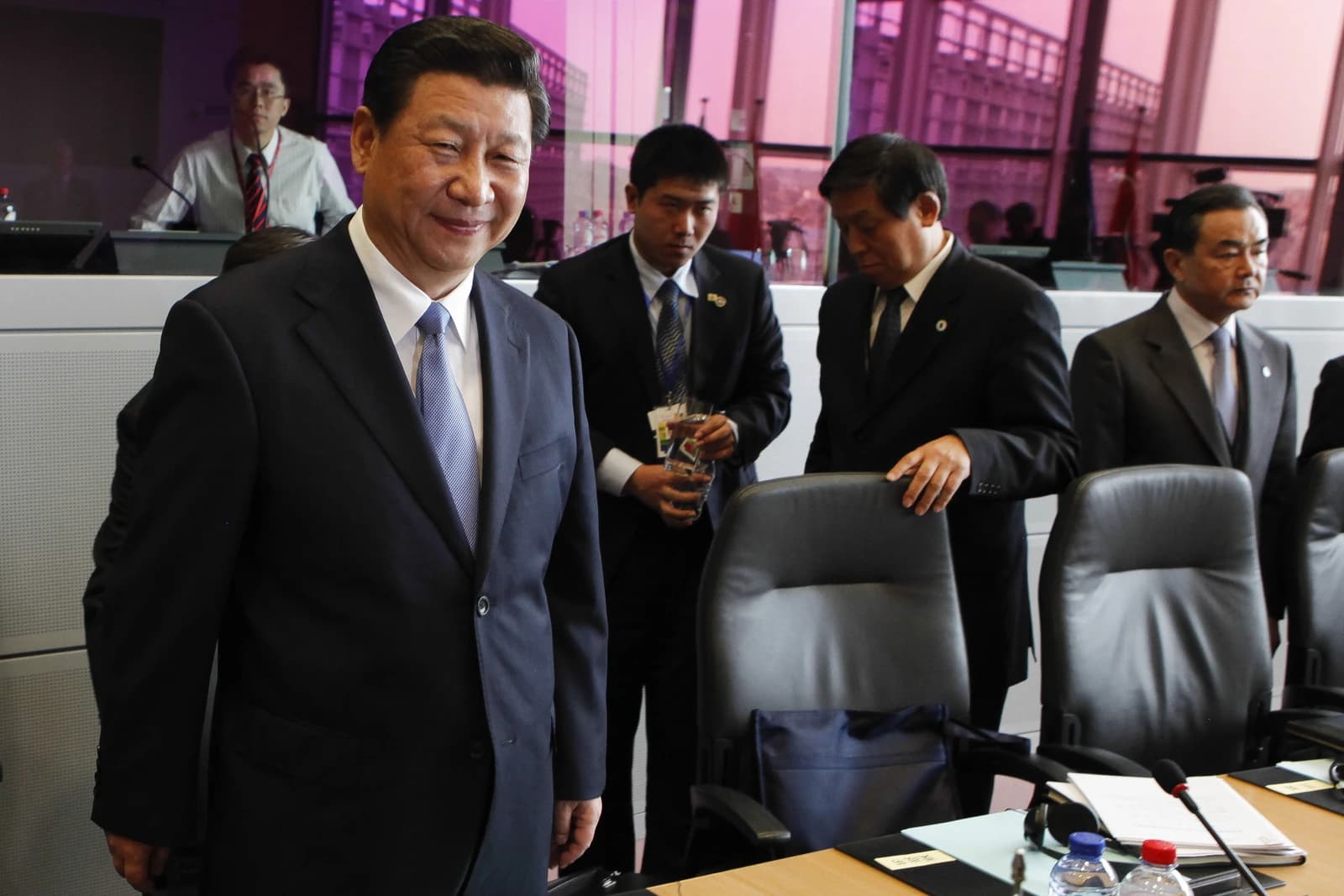
Xi Jinping’s carefully staged welcome in Kyrgyzstan is more than pageantry. It is another reminder that China’s foreign policy is being shaped by a leader who sees the Communist Party as a civilizational project, not a temporary governing machine — and that matters for investors because it keeps Beijing focused on control, influence and strategic patience rather than market-friendly liberalization.
For markets, that is the real takeaway from Xi’s latest travels through Kyrgyzstan, Egypt and Russia. The message he keeps repeating — cooperation over dominance, respect over coercion — sounds soothing, but it sits alongside a harder reality: China is still deepening state-led links across Central Asia and beyond while maintaining tight political discipline at home. That mix can support trade corridors, energy ties and infrastructure spending, but it also means policy risk remains elevated in sectors that depend on private-sector freedom, open capital flows and predictable regulation.
That tension helps explain why Chinese equity funds have struggled to sustain rallies. The iShares China Large-Cap ETF, FXI, was little changed at $35.34 on Sept. 3 after a sharp year of swings, with its 200-day moving average at $36.48 and price still below that longer-term trend. The iShares MSCI China ETF, MCHI, closed at $54.37, also beneath its 200-day average of $57.35. Those are not disaster signals, but they do show investors are demanding a bigger discount before they trust China’s policy backdrop.
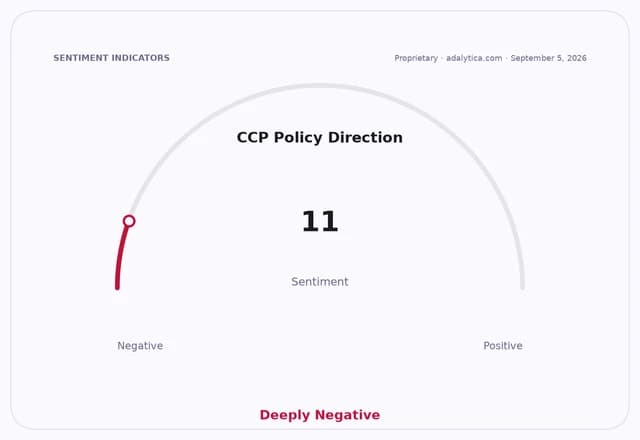
The macro picture is just as important. Adalytica’s China CCP Policy Direction gauge sits at 11, labeled “Extreme Fear,” while its China Economic Growth Target sentiment has dropped to 19. In plain English, markets are still struggling to reconcile Beijing’s growth ambitions with a political system that prioritizes party control. That is exactly the kind of environment Xi has always been comfortable with. His admiration for Mao and Stalin, and his insistence on ideological discipline, suggest investors should not expect a structural pivot toward the kind of market liberalization that tends to lift valuations for years at a time.
That does not mean China is uninvestable. It means the opportunity set is narrower and more selective. State-backed infrastructure, industrial policy winners and firms tied to strategic priorities can still benefit from Beijing’s long game. But the same centralized model can pressure consumer confidence, limit entrepreneurial animal spirits and keep foreign investors cautious. In other words, China may remain powerful economically without becoming easy to own.
For long-term investors, the lesson is to separate tactical rallies from durable compounding. China can still produce sharp rebounds, especially when policy support arrives, but the ceiling on enthusiasm remains tied to politics. If you already own broad emerging-market exposure, China deserves attention as part of diversification. If you are looking for a clean, shareholder-friendly growth story, Xi’s worldview argues for patience and selectivity. That makes China worth watching — but not something to chase without understanding the ideology behind the policy.
| Entity | Gains | Losses |
|---|---|---|
| China state planners | ▲Policy control | ▼Market trust |
| Central Asia partners | ▲Infrastructure ties | ▼Strategic independence |
| FXI and MCHI holders | ▲Stimulus-driven upside | ▼Policy uncertainty |
| Private-sector investors | ▲Selective opportunities | ▼Predictability and multiples |