China ETFs Rise as Investors Add Exposure
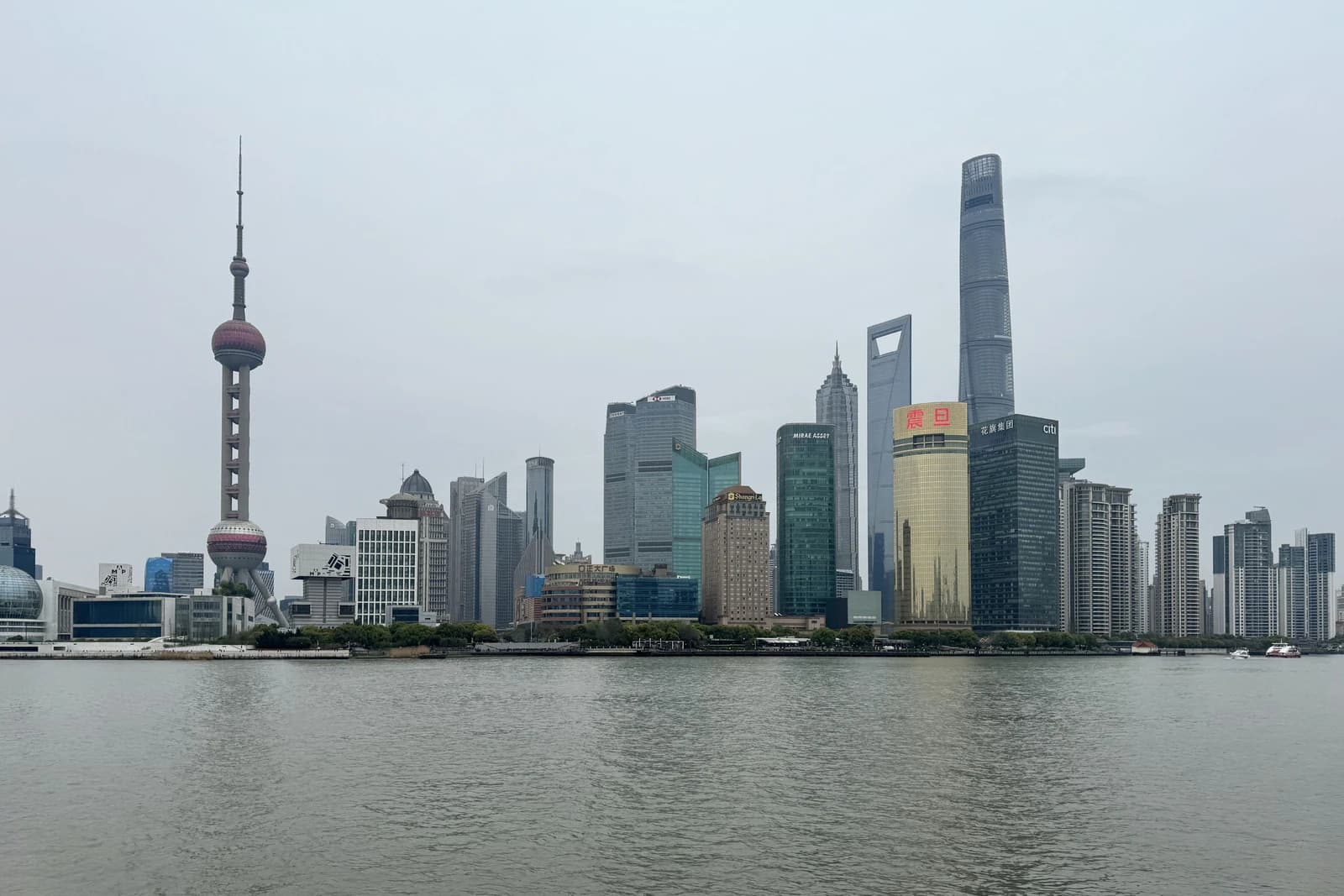
China-focused exchange-traded funds are drawing attention as investors look for a cleaner way to own the world’s second-largest economy than the small weights typically embedded in broad global portfolios. For many buyers of emerging-markets or all-world funds, China exposure is thin by design, leaving active allocation decisions to investors who want more than a token stake.
That matters because China’s slice of global market capitalisation is large enough to move portfolio returns, yet small enough inside many mainstream wrappers that the country can be underowned when it rallies and under-recognized when policy turns. In broad all-world products, China often shows up only through a modest emerging-markets allocation, meaning a global ETF can leave investors with just a few percentage points of indirect China exposure.

The case for dedicated China exposure has strengthened as investors reassess whether broad emerging-markets funds still deliver the country mix they want. Dedicated vehicles such as the iShares MSCI China ETF, ticker MCHI, and the large-cap focused FXI give investors a more direct route, while EEM remains the broader emerging-markets bet with China as one of several major country weights.
Recent trading in those funds shows the market is still actively adjusting that exposure rather than abandoning it. MCHI closed at $55.66 on Aug. 21, up from $50.91 on July 2, while FXI finished at $35.86, after trading as low as $34.13 in mid-July. EEM has also recovered to $67.12 from $61.07 in late July, underscoring renewed demand for emerging-markets risk as investors rotate back into Asia.
The technical picture suggests the rebound is real but not yet fully stretched. MCHI’s relative strength index was 42.1 on Aug. 21, FXI’s was 42.1 and EEM’s stood at 64.3, with all three trading above their 50-day moving averages, a sign that momentum has improved after a weak mid-year spell. Investors watching the 200-day moving average will still note that the China funds remain below longer-term resistance in some cases, leaving room for further gains if sentiment improves.
The bigger portfolio message is that China exposure is not automatic, even in funds marketed as global or emerging-markets diversifiers. Investors who want meaningful participation in a rebound need to choose between broad EM exposure, which dilutes China with other markets, and China-specific ETFs, which concentrate risk in a single economy and policy regime.
That trade-off matters now because China allocations are increasingly a deliberate asset-allocation decision rather than a default one. The next catalyst is likely to be the direction of Chinese growth data, policy support and global risk appetite, which will determine whether investors keep adding to dedicated China ETFs or stick with lighter exposure through broad EM funds.
| Entity | Gains | Losses |
|---|---|---|
| China ETF buyers | ▲More direct China exposure | ▼Higher country-specific risk |
| Broad global ETF holders | ▲Simpler diversification | ▼Minimal China participation |
| China-specific ETFs such as MCHI, FXI | ▲Stronger inflow potential | ▼Greater policy and volatility risk |
| Broad EM funds like EEM | ▲Retain diversified appeal | ▼Lose investors seeking targeted China exposure |