China ETFs Stay Weak on U.S.-China Rivalry
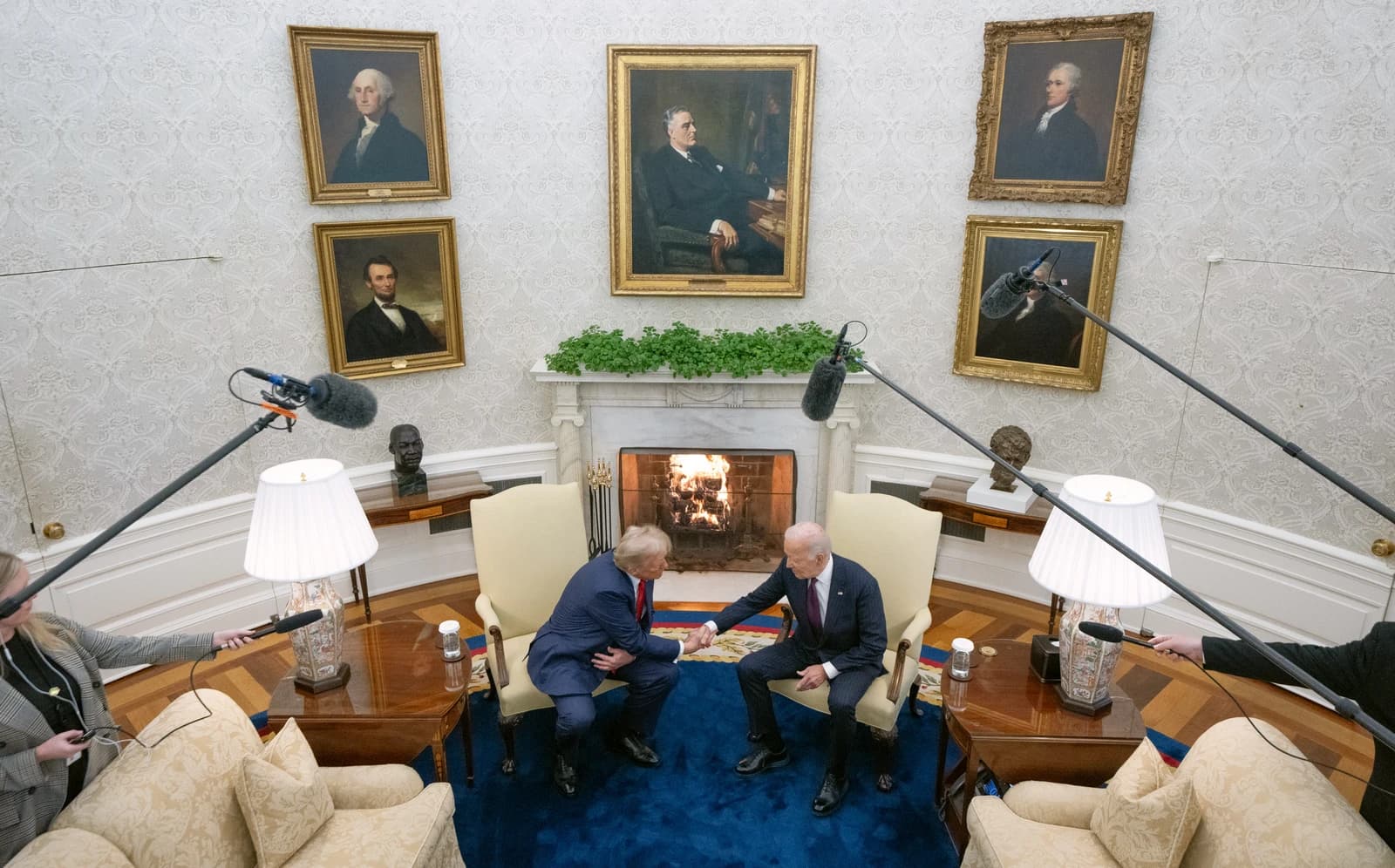
China may prefer a change in Washington if Joe Biden wins, but investors should not expect a clean reset in U.S.-China relations. The more important story is that Beijing still faces a long stretch of strategic rivalry with the United States, and that keeps pressure on Chinese assets even when headlines sound more conciliatory.
For markets, that matters because China is no longer trading like a simple rebound story. The iShares China Large-Cap ETF, or FXI, has slipped to 35.56, while the broader China ETF MCHI closed at 55.12 and the leveraged YINN fund sat at 29.64. Those prices are far below their recent highs, underscoring how much skepticism still hangs over Chinese equities despite periodic bursts of optimism. Investors are not just pricing economic growth. They are pricing tariffs, sanctions risk, supply-chain shifts and the possibility that the U.S. election changes tone more than policy.
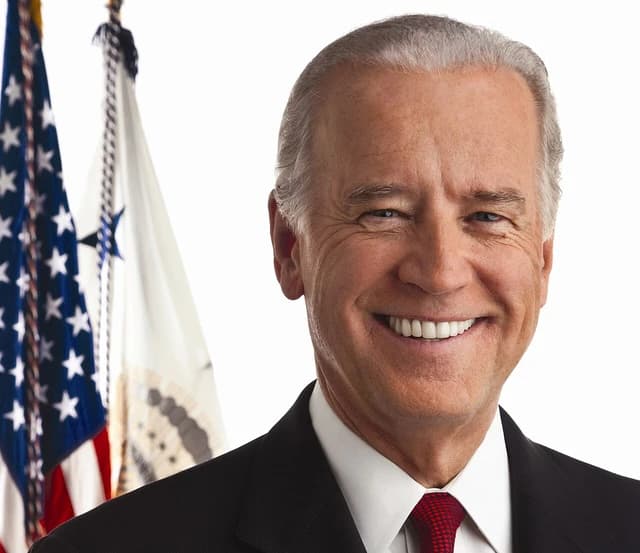
That distinction is crucial. Biden has generally favored coordination with allies and more methodical pressure than the Trump-era approach, but the core debate in Washington has moved well beyond rhetoric. China faces restrictions tied to technology access, industrial competition and national security, and those themes are unlikely to disappear with a new president. For Chinese exporters, the difference between administrations may matter at the margin. For investors, the larger question is whether the world’s two biggest economies are entering a durable period of managed decoupling.
The market action suggests traders are wrestling with that reality. FXI remains below its 200-day moving average of 36.64, and YINN has been even weaker, a sign that bullish bets on China still face a tough technical backdrop. MCHI is holding above its 200-day moving average, but only narrowly. These are not the charts of a market that believes in an easy détente. They are the charts of investors waiting for policy clarity that may never fully arrive.
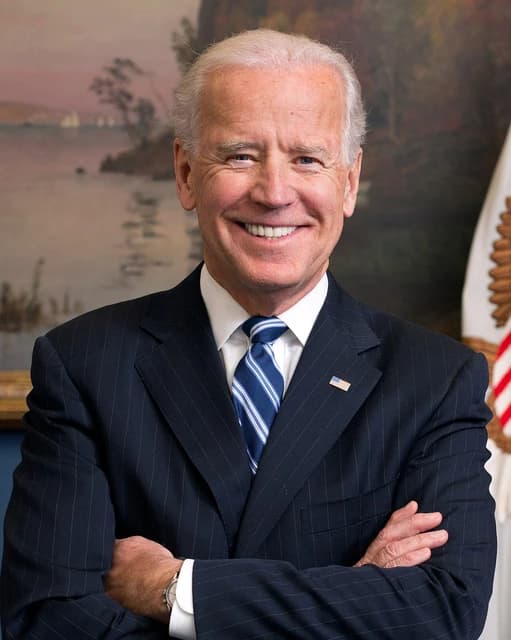
China’s own diplomacy reinforces that view. Beijing has spent more energy building ties across Asia, including with Indonesia, while trying to blunt U.S. pressure on issues ranging from Iran sanctions to regional security. That is sensible statecraft, but it also reflects a hard truth: China is preparing for a world where U.S. competition remains a structural feature, not a temporary disruption. If Biden wins, the tone may soften. The investment backdrop probably will not.
For long-term investors, the lesson is to focus less on who sits in the White House and more on whether Chinese companies can grow earnings, defend margins and navigate policy risk over the next three to 10 years. That is where the opportunity will be found if it exists at all. China is still worth watching, but a change in president alone is unlikely to change the investing case in a big way.
| Entity | Gains | Losses |
|---|---|---|
| China | ▲Slightly softer tone | ▼No policy reset |
| Biden administration | ▲Diplomatic flexibility | ▼Limited leverage shift |
| FXI/MCHI investors | ▲Potential relief rally | ▼Continued policy discount |
| U.S. exporters | ▲Better dialogue odds | ▼Persistent rivalry risk |