China Pushes Fighter Jet Exports, Pressuring Western Primes
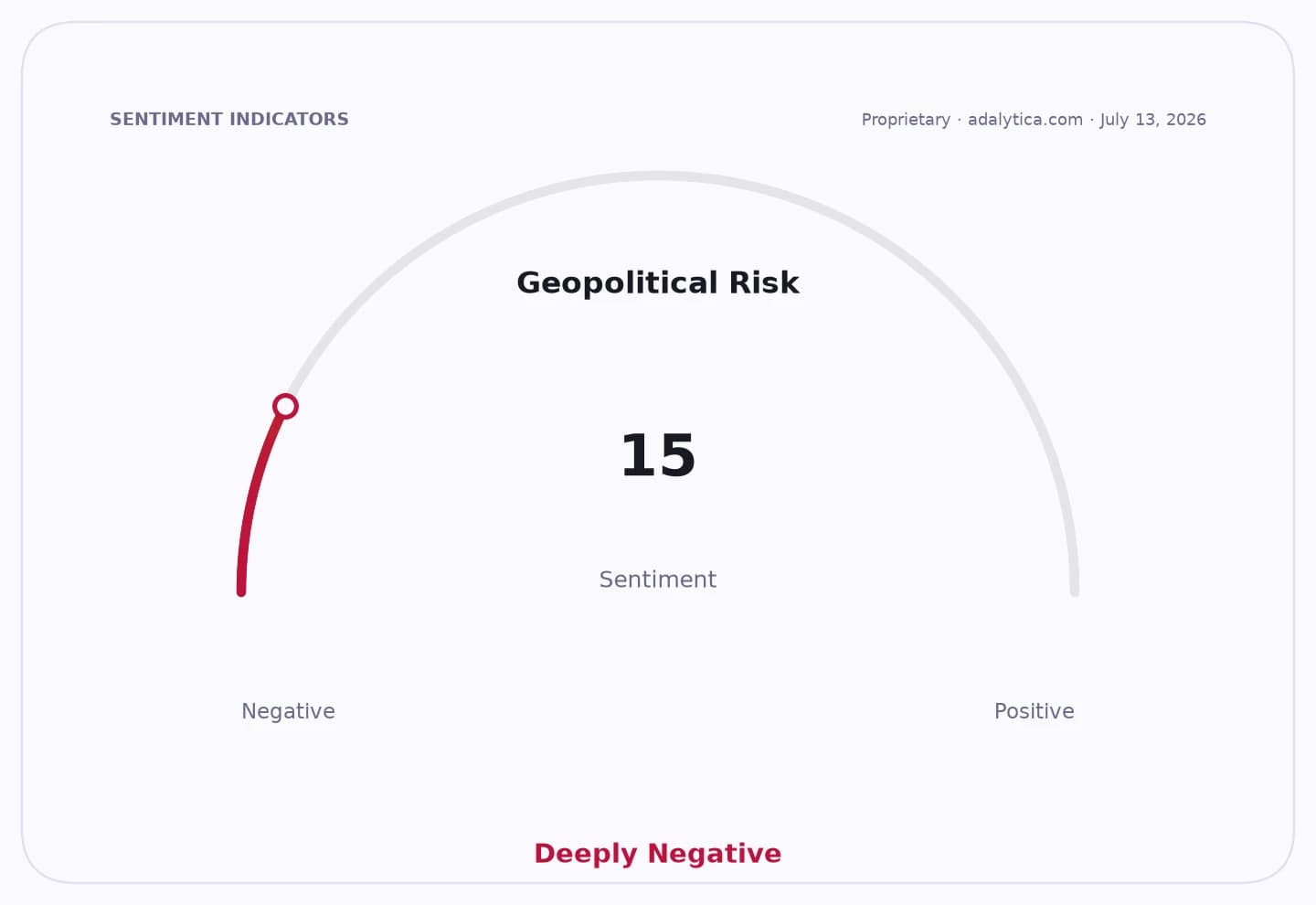
China’s willingness to “deliver fighter jets to friendly countries” signals a more aggressive push into the global arms market, a move that could undercut U.S. and European defense contractors just as geopolitical tension is keeping military spending elevated.
The significance is not the headline itself, but what it implies about China’s defense-industrial strategy: Beijing is trying to convert military modernization into export leverage. If Chinese combat aircraft become a more visible option for countries unwilling or unable to buy from the U.S., it would reshape procurement decisions in parts of Asia, the Middle East and Africa, where price, sanctions risk and political alignment often matter as much as performance.
For investors, that matters because the competitive threat is concentrated in high-margin segments of the defense market. Western primes such as Lockheed Martin, Northrop Grumman and RTX have long benefited from the combination of advanced platforms, deep maintenance ecosystems and allied interoperability. A broader Chinese export campaign would not necessarily take large shares from the most sophisticated U.S. programs, but it could pressure sales of lower-tier fighters and support equipment in markets where Beijing offers financing, faster delivery or fewer political conditions.
Lockheed Martin shares have climbed sharply in recent months, with the stock trading well above its 50-day moving average and still in a broader uptrend even after a pullback from recent highs. Northrop Grumman and RTX have also held firm, supported by a defense backdrop that remains buoyant despite volatility in broader risk sentiment. That resilience suggests investors continue to price in durable demand for Western defense systems. But the China export message is a reminder that not every dollar of global rearmament will flow to U.S. suppliers.
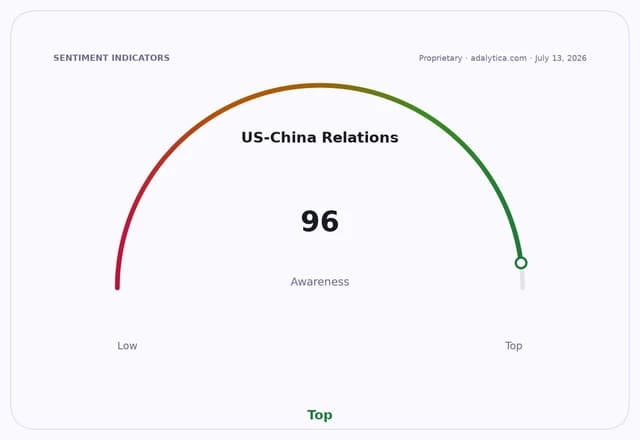
The broader economic narrative is one of fragmentation. The world’s security architecture is becoming more multipolar, and that is spilling into industrial policy, procurement and trade. Beijing’s offer to ship fighter jets to “friendly countries” is as much about diplomacy as commerce: weapons sales create long-term maintenance ties, training relationships and spare-parts dependencies. That can deepen China’s influence even in countries that do not field its most advanced systems.
There is also a supply-side angle. China has spent years building a more self-reliant defense base, and exports give its manufacturers scale, a bigger installed base and a chance to refine products through operational feedback. For buyers, the appeal may be lower upfront cost and reduced Western political scrutiny. For rivals, the risk is not a single lost contract but a gradual erosion of market access in the lower and mid-tier fighter segment.
The bull case for Western contractors is that many buyers still prefer proven U.S. aircraft, particularly where interoperability with NATO or American forces matters. The bear case is that an expanding Chinese export footprint, combined with tighter public budgets, could intensify price competition and make it harder for Western firms to win sales in markets that prioritize affordability over capability.
With global instability already elevated, the next question is whether Beijing turns rhetoric into sustained export activity and whether recipients are willing to accept the strategic trade-offs that come with Chinese hardware. If it does, the story will not just be about fighter jets. It will be about who controls the next generation of defense relationships.
| Entity | Gains | Losses |
|---|---|---|
| China’s defense industry | ▲Export reach | ▼Western market share |
| Buyer nations | ▲Cheaper sourcing | ▼Dependence risks |
| Lockheed Martin, RTX, Northrop | ▲Stable allied demand | ▼Price pressure abroad |
| U.S. defense suppliers | ▲Premium programs | ▼Mid-tier export sales |