China files plans for 200,000 satellites
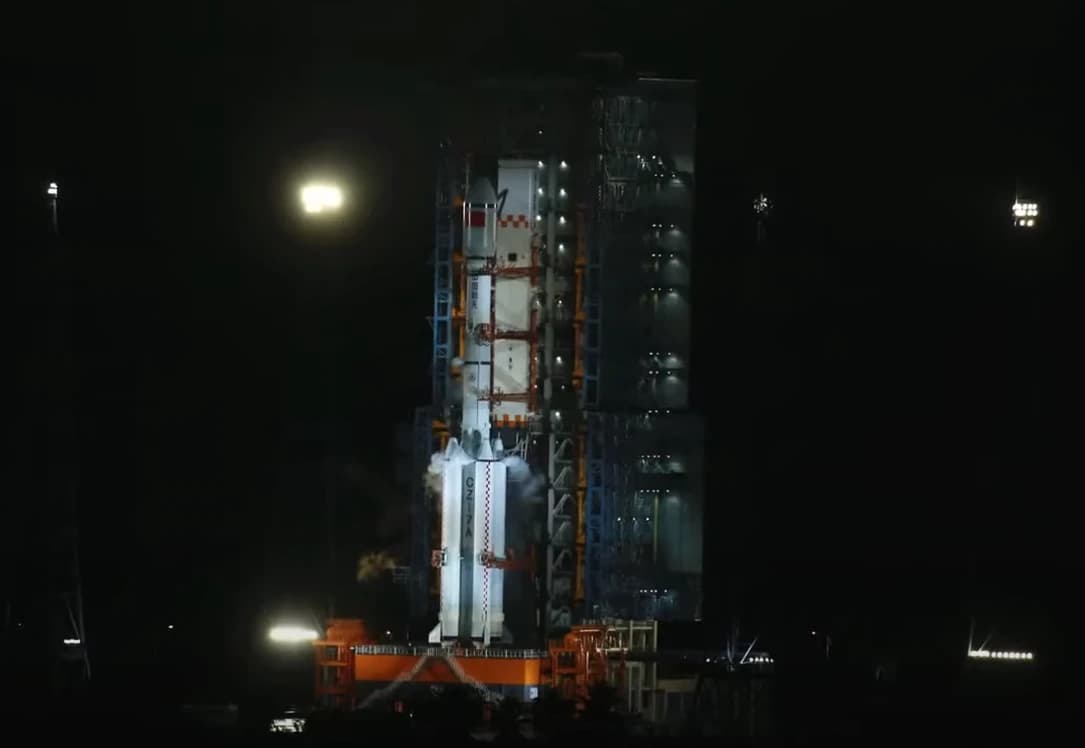
China has filed plans with the United Nations' telecom agency for nearly 200,000 satellites, a move that would dwarf SpaceX’s Starlink network and intensify the geopolitical contest with the US over orbital communications, surveillance and defense.
The filing, made to the International Telecommunication Union through two proposed constellations, CTC-1 and CTC-2, calls for 96,714 satellites in 3,660 orbits for each network. That scale would far exceed SpaceX’s plan for about 49,000 satellites and deepen concern in Washington after the US Space Force warned of unusual Chinese activity in orbit.
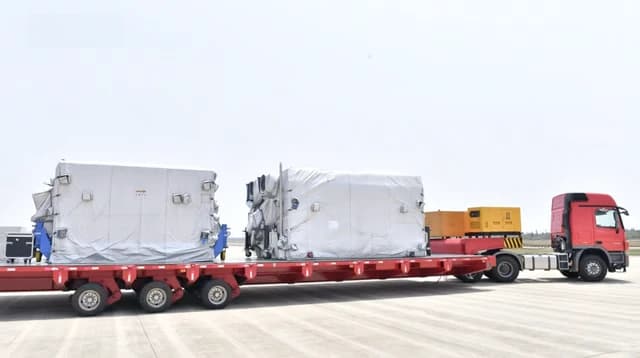
The economic stakes go well beyond space prestige. Control of low-Earth orbit is increasingly tied to broadband, remote sensing, missile warning, military communications and the ability to shape global data flows. Whoever secures spectrum and orbital slots early can create barriers to entry for rivals for years, even if the hardware comes later.
Analysts, however, question whether Beijing can physically execute a deployment on that scale. Under ITU rules, operators must put at least one satellite into service within seven years and complete the buildout within 14, which would imply a pace of roughly 500 launches a week for China to hit 200,000 units on time.
That far exceeds current industrial capacity. China set a record of 92 launches in all of 2025, while its commercial satellite manufacturing capacity is said to be around 300 units a year, with plans to lift that to 600, plus additional state production.
That gap has fueled a view that the filing may be as much about reservation as deployment — a way to lock up frequencies and orbital priority before US, European and private operators do. Beijing has already cast space as a strategic asset, while earlier this month it criticized the proliferation of commercial constellations at the UN over collision risks.
The timing also underscores the widening technology and security rivalry between the two powers. China already has 25 times more satellites in orbit than it did in 2010, and recent launches, including nine satellites aboard a Kinetica-1 rocket, show it is still expanding its orbital reach.
For investors, the contest reinforces demand for launch capacity, satellite manufacturing, ground systems, tracking software and space-defense technologies, while increasing scrutiny of companies exposed to US-China export controls and supply-chain risk. Shares of prime defense and aerospace contractors such as Lockheed Martin and Boeing have already reflected that strategic backdrop, even as the broader market gauges how much of China’s ambition can turn into actual contracts, launches and revenue.
The next catalyst is whether Beijing follows the filing with a sustained launch cadence, and whether Washington responds with tighter spectrum, export or space-security measures that could reshape the competitive landscape for commercial and military satellite operators.
| Entity | Gains | Losses |
|---|---|---|
| China | ▲Orbital spectrum claims | ▼Execution credibility |
| US space/security agencies | ▲Support for security budgets | ▼Strategic head start |
| SpaceX and rivals | ▲More sector attention | ▼Tougher competition for slots |
| Aerospace contractors | ▲Defense demand | ▼Supply-chain and policy risk |