China Foreign Investment Firms Rise as FDI Falls
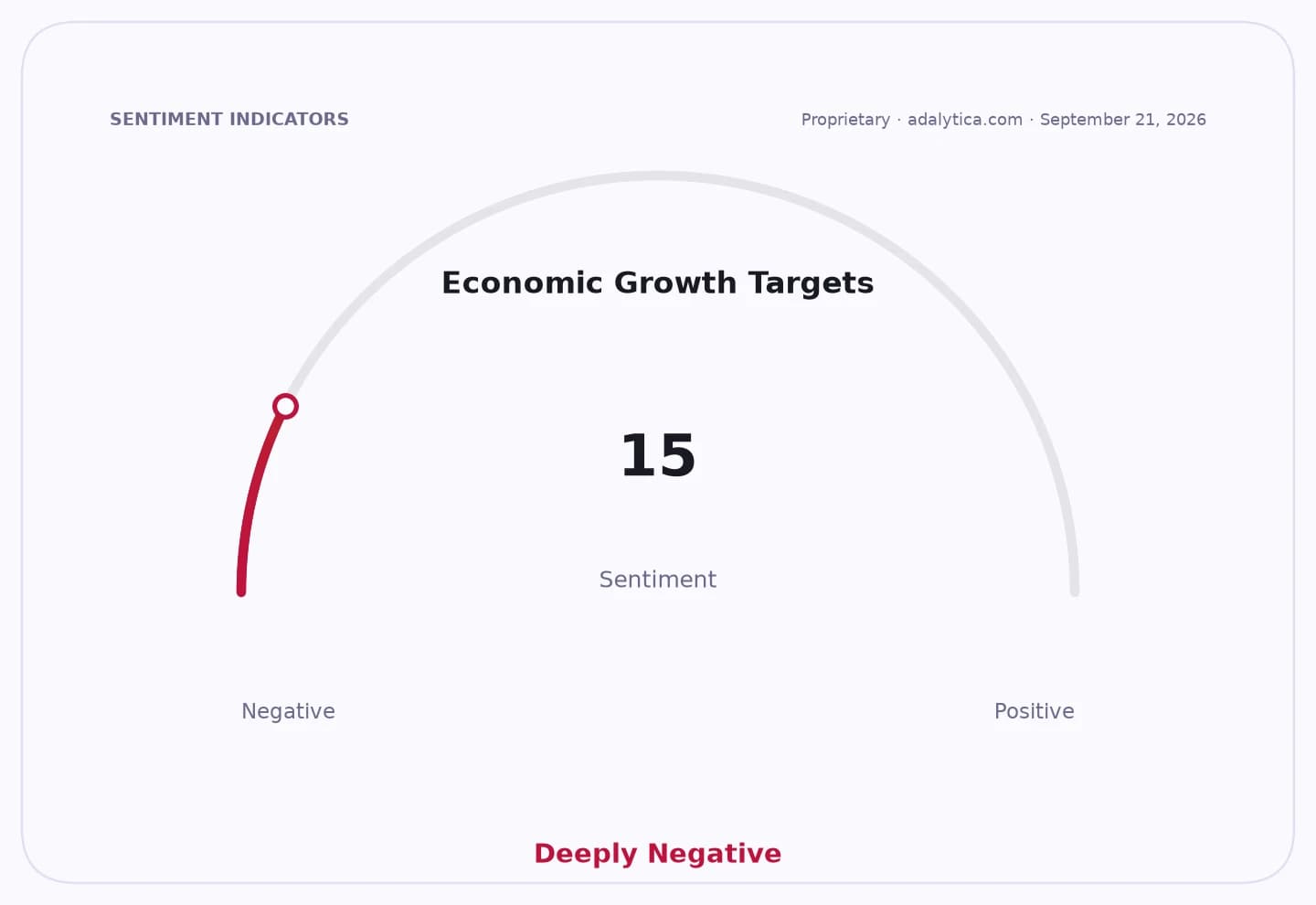
China drew more new foreign-invested companies in the first eight months of the year, even as actual foreign capital used fell, underscoring a split between foreign firms still entering the market and larger investors remaining cautious about committing money at scale.
The commerce ministry said 42,582 new foreign-invested enterprises were established from January to August, up 0.3% from a year earlier, while actual foreign direct investment used reached 479.95 billion yuan, down 5.3%. The data suggests China remains a relevant destination for corporate expansion, but the pace of capital deployment is still being restrained by weak confidence, slower growth and persistent policy and geopolitical uncertainty.
For the Chinese economy, the numbers matter because FDI is not only a source of funding but also a channel for technology transfer, job creation and supply-chain integration. A rise in newly registered foreign firms implies international businesses are not abandoning the market, yet the decline in realized investment indicates many are choosing smaller initial commitments, delaying expansion plans or redeploying capital elsewhere. That combination is consistent with a cautious global investment cycle and with foreign companies hedging exposure to China rather than betting heavily on a rapid rebound.
For investors, the split has implications beyond headline flows. Multinationals with China exposure may continue to find opportunities in manufacturing, consumer goods and selected services, but the weak realized inflow reinforces the case for selective positioning rather than a broad cyclical turn in China assets. It also helps explain why China-related funds have been volatile: the market can attract interest, but sustained re-rating depends on stronger domestic demand, clearer policy support and a more stable external environment.
The figures also fit a broader regional pattern in which capital is increasingly mobile and sensitive to supply-chain resilience, regulatory visibility and growth prospects. As investors compare China with alternatives across Asia and beyond, the key question is not whether foreign firms are present, but whether they are willing to commit larger sums to new capacity and long-term expansion. Until realized FDI improves, China’s investment story is likely to remain one of endurance rather than acceleration.
| Entity | Gains | Losses |
|---|---|---|
| Foreign firms in China | ▲Market access | ▼Larger upfront commitment |
| China economy | ▲New company formation | ▼Slower capital inflow |
| Multinational investors | ▲Optionality | ▼Confidence in near-term rebound |
| Competing Asian hubs | ▲Diversion of cautious capital | ▼Potential share of new entrants |