China Glacier Collapse Warning Raises Nepal Flood Risk
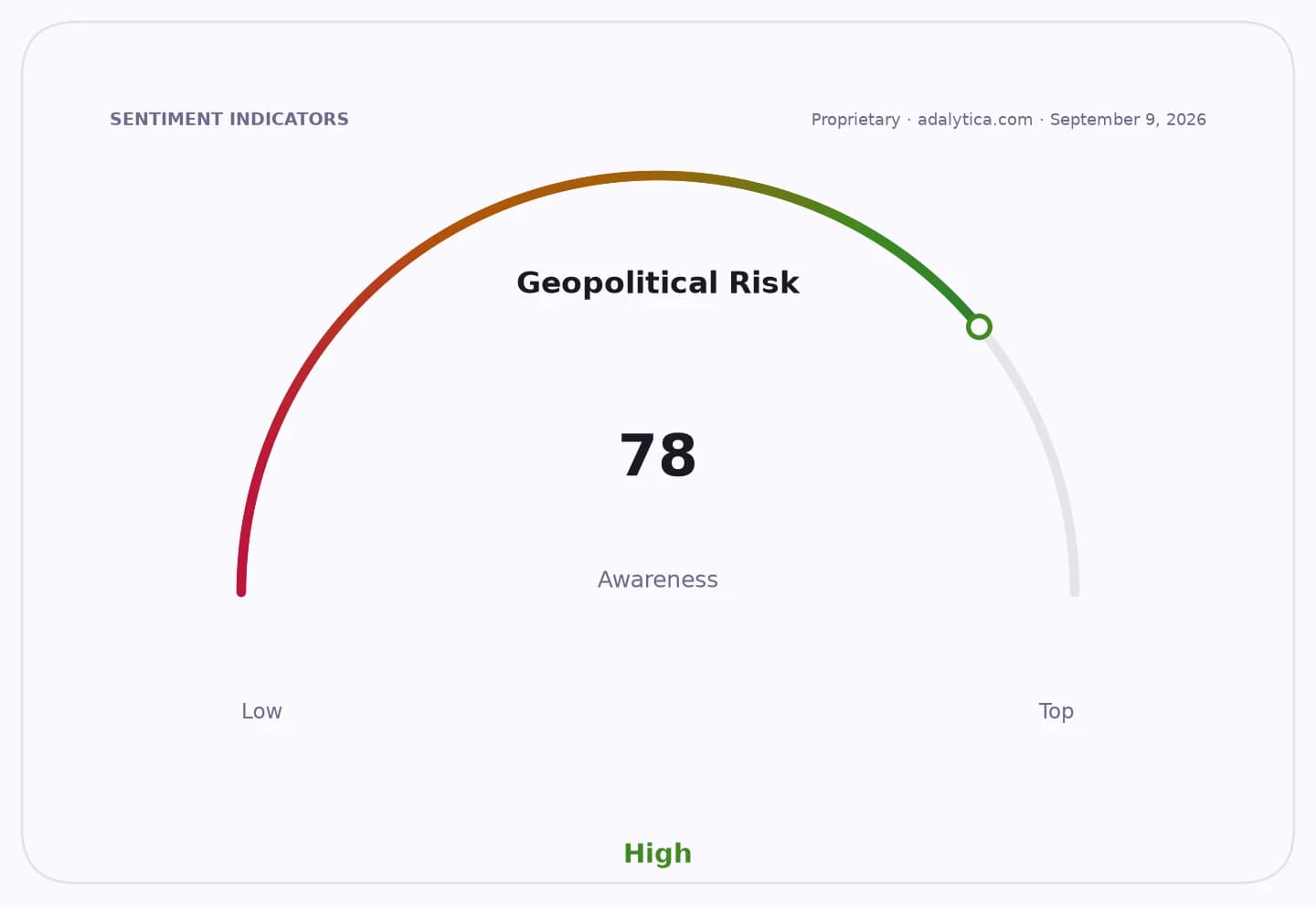
China’s warning about a high risk of glacier collapse and landslides along its Himalayan border with Nepal is sharpening fears of more cross-border flooding after a recent disaster in Tibet killed people and destroyed property.
The warning matters because the region sits on a volatile mix of melting ice, steep terrain and major infrastructure, including a large dam China is still building in Tibet. Any repeat event could threaten lives downstream in Nepal, disrupt local economies and intensify diplomatic friction over water management and disaster response.
The latest alarm follows flooding in Tibet triggered by a glacier collapse, underscoring how quickly climate-driven hazards can turn into humanitarian and infrastructure shocks. China has dismissed Nepal’s claim that a dam collapse worsened the floods as fake news, but the dispute is likely to keep investor and policy attention on the security of hydropower, roads and other assets in the border region.
For investors, the story is less about a direct market reaction than about rising risk around infrastructure execution, regional stability and the cost of building in climate-exposed mountain zones. It also adds to scrutiny of Chinese authorities’ information control after videos related to the flooding were reportedly removed from public view.
The next catalyst is whether China, Nepal and local authorities move toward stronger monitoring, early-warning systems or cross-border coordination — or whether another collapse exposes the same risks again.
| Entity | Gains | Losses |
|---|---|---|
| Nepal communities | ▲Better warning focus | ▼Flood and landslide exposure |
| China authorities | ▲Control of narrative | ▼Credibility on safety claims |
| Hydropower and dam builders | ▲Risk awareness | ▼Project and liability risk |
| Investors in Himalayan infrastructure | ▲Potential safeguards | ▼Higher tail risk and delays |