China gold buyers shift from jewelry to bullion
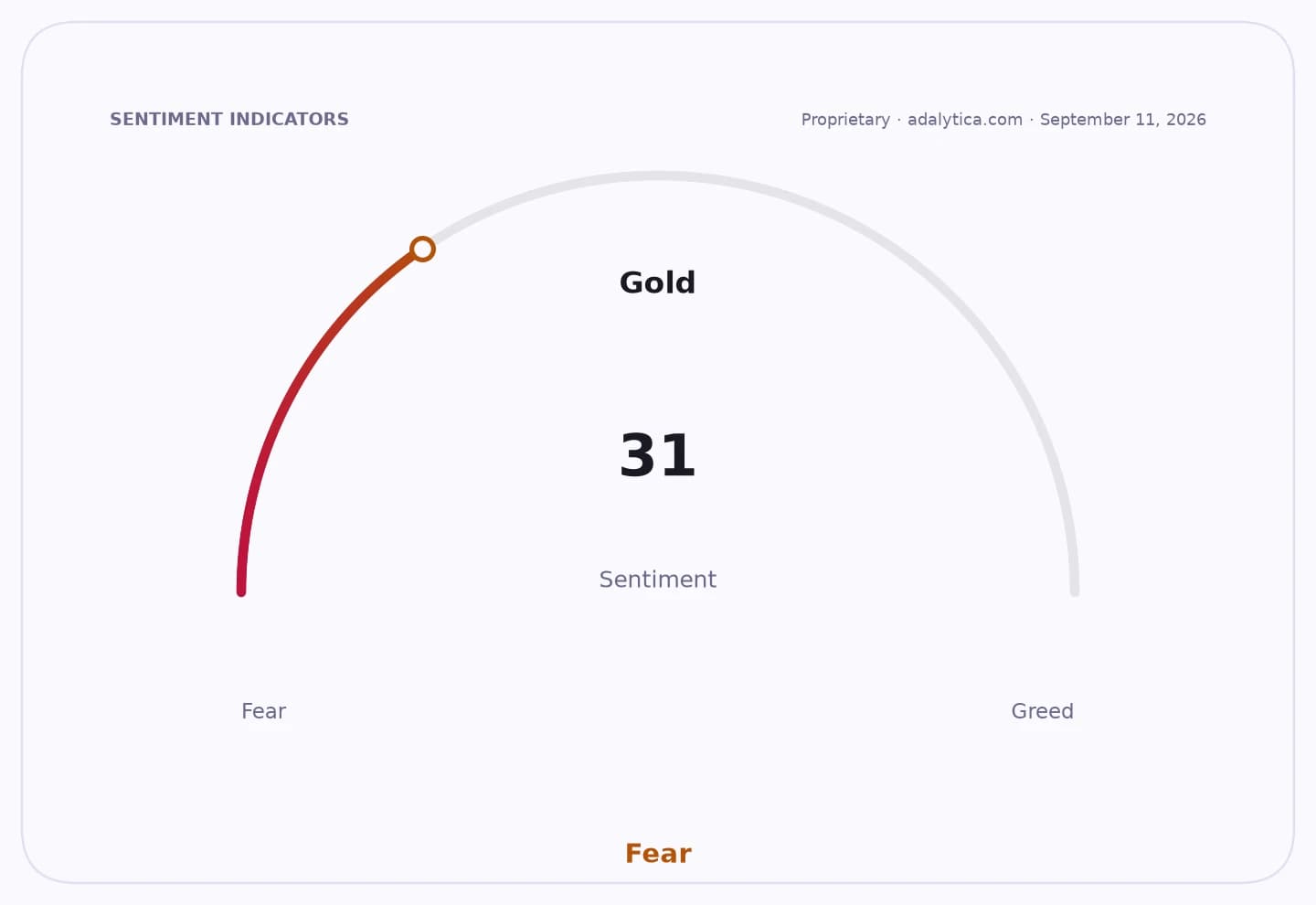
Chinese consumers are increasingly choosing gold bars and coins over jewellery, and that shift is hitting retailers where it hurts most: store traffic, inventory turnover and margins.
That matters because jewellery has long been the most visible and lucrative entry point for China’s gold market. When shoppers stop buying rings, necklaces and bracelets, they are not just changing a fashion habit — they are signalling a deeper move toward bullion as a savings tool. In a country where households have plenty of reasons to stay cautious, gold is increasingly being treated less as adornment and more as a financial asset.
The strain is showing up on main streets across lower-tier China. In Biyang, Henan province, many of the gold jewellery shops that once lined the commercial strip have shut, according to local reports. A young resident said more than two-thirds of the 20-odd gold shops in town had already closed. The problem is not isolated. Jewellery brands have been shrinking their store footprints across the country as demand weakens.
Recent disclosures from major chains underline how broad the contraction has become. Chow Tai Seng reported a net reduction of 473 stores, while Lao Feng Xiang closed 342 outlets in lower-tier cities. China Gold cut 323 locations in the first half, and Chow Tai Fook logged a net loss of 258 mainland stores in the second quarter, largely because franchisees pulled back. For investors, that is a reminder that China’s gold story is not automatically a winner for every company exposed to the metal.
High and volatile prices are a big part of the explanation. When gold gets expensive, buyers tend to trade down from decorative pieces with heavy workmanship costs to bars and coins that track bullion more closely. A decline in marriages is making the problem worse, since weddings remain one of the biggest sources of jewellery demand in China. Less marriage activity means less ritual buying, fewer gifts and weaker replacement demand.
This also changes the economics of the business. Jewellery retailers still have to pay rent, hold inventory and fund operations, but they are selling less gold by weight. That squeezes cash flow and pushes smaller shops — especially in lower-tier markets — into a tough position. The winners are more likely to be bullion sellers, refiners and funds tied to the metal itself, while traditional jewellery chains face a slower, more capital-intensive road.
The broader investment lesson is simple: in China, gold demand is not disappearing, but it is moving upstream. Investors who want exposure to the theme may be better served by businesses and instruments tied to bars, coins and bullion pricing than to retail jewellery, unless they believe fashion demand and marriage trends will recover. For now, the smarter long-term view is to watch which companies can adapt their mix and keep their margins intact.
| Entity | Gains | Losses |
|---|---|---|
| Bullion sellers | ▲Higher investment demand | ▼Jewellery weakens |
| Gold jewellery chains | ▲Slower inventory risk | ▼Store closures |
| Chinese consumers | ▲Cheaper bullion alternative | ▼Less choice in shops |
| Gold funds and miners | ▲Stronger bullion interest | ▼Retail jewellery demand |