China Gravity-1 first launch for satellite internet
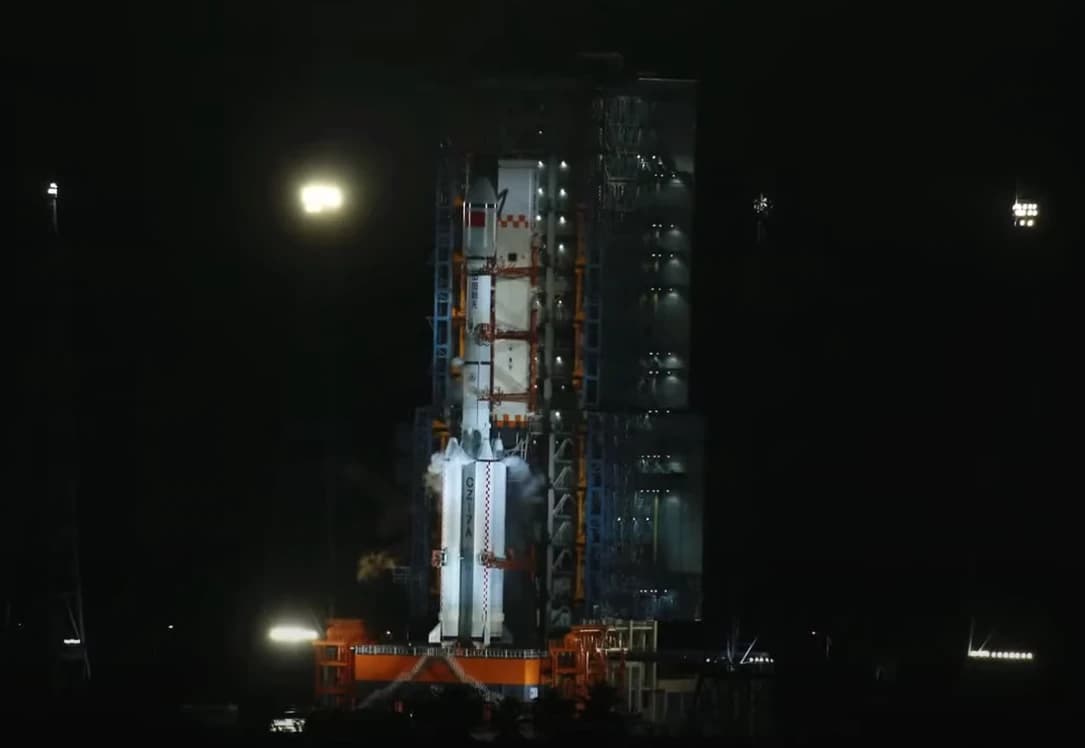
China’s Gravity-1 rocket has completed its first launch for a large low-Earth-orbit satellite internet constellation, a step that strengthens the country’s ability to place heavier payloads into orbit at scale and adds momentum to its push for a more flexible, lower-cost commercial space launch system.
The mission matters because satellite internet constellations are no longer just a technology race; they are becoming strategic infrastructure. The ability to launch more than three tonnes to an insertion altitude of about 800 kilometres from waters off Shanghai gives Chinese operators a broader toolset for building out networks that can support communications, remote sensing and, potentially, dual-use capabilities. For Beijing, that means less dependence on congested inland launch corridors and more efficient coordination between satellite manufacturing and launch operations.
OrienSpace said the mission was a success and set new records for China’s single sea launch by payload weight and orbital altitude. It was Gravity-1’s fourth sea launch, with all four successful, suggesting the model is moving beyond proof of concept. That is significant in a sector where reliability determines whether commercial launchers can win contracts against rivals and whether satellite operators can bank on schedule certainty. The rocket’s first use for networking a large constellation also suggests China is starting to convert launch capability into recurring demand, not just one-off demonstration flights.
The launch also lands against a more competitive geopolitical backdrop. Space is increasingly viewed through a strategic lens, particularly after the U.S. acknowledged deploying weapons in orbit and China and Russia objected to the militarisation of space. In that environment, each successful Chinese launch does more than add satellites: it reinforces industrial capacity, autonomy in critical infrastructure and the country’s ability to keep pace in a domain where commercial and security priorities are increasingly intertwined.
For investors, the key implication is that China’s commercial space ecosystem is maturing from isolated launch events into a fuller supply chain linking satellite production, transport and orbital deployment. That supports the long-term case for Chinese aerospace contractors, satellite manufacturers and launch providers, while raising competitive pressure on global peers seeking a share of the same constellation build-out market.
The near-term question is whether Gravity-1 can keep up this cadence and whether larger satellite constellations translate into repeatable revenue rather than sporadic headlines. If sea launches continue to scale successfully, China could further compress launch timelines and improve asset utilisation across its space manufacturing base. If not, the sector remains exposed to the same reliability and economics challenges that have constrained many commercial launch ambitions elsewhere.
| Entity | Gains | Losses |
|---|---|---|
| OrienSpace | ▲Validation of sea-launch model | ▼Pressure to sustain cadence |
| Chinese satellite makers | ▲More launch capacity | ▼Dependence on launch reliability |
| China’s space sector | ▲Strategic autonomy | ▼Foreign launch rivals |
| U.S. and allied launch providers | ▲Higher demand for competition | ▼Greater Chinese capability |