China heavy rain alerts hit southern supply chains
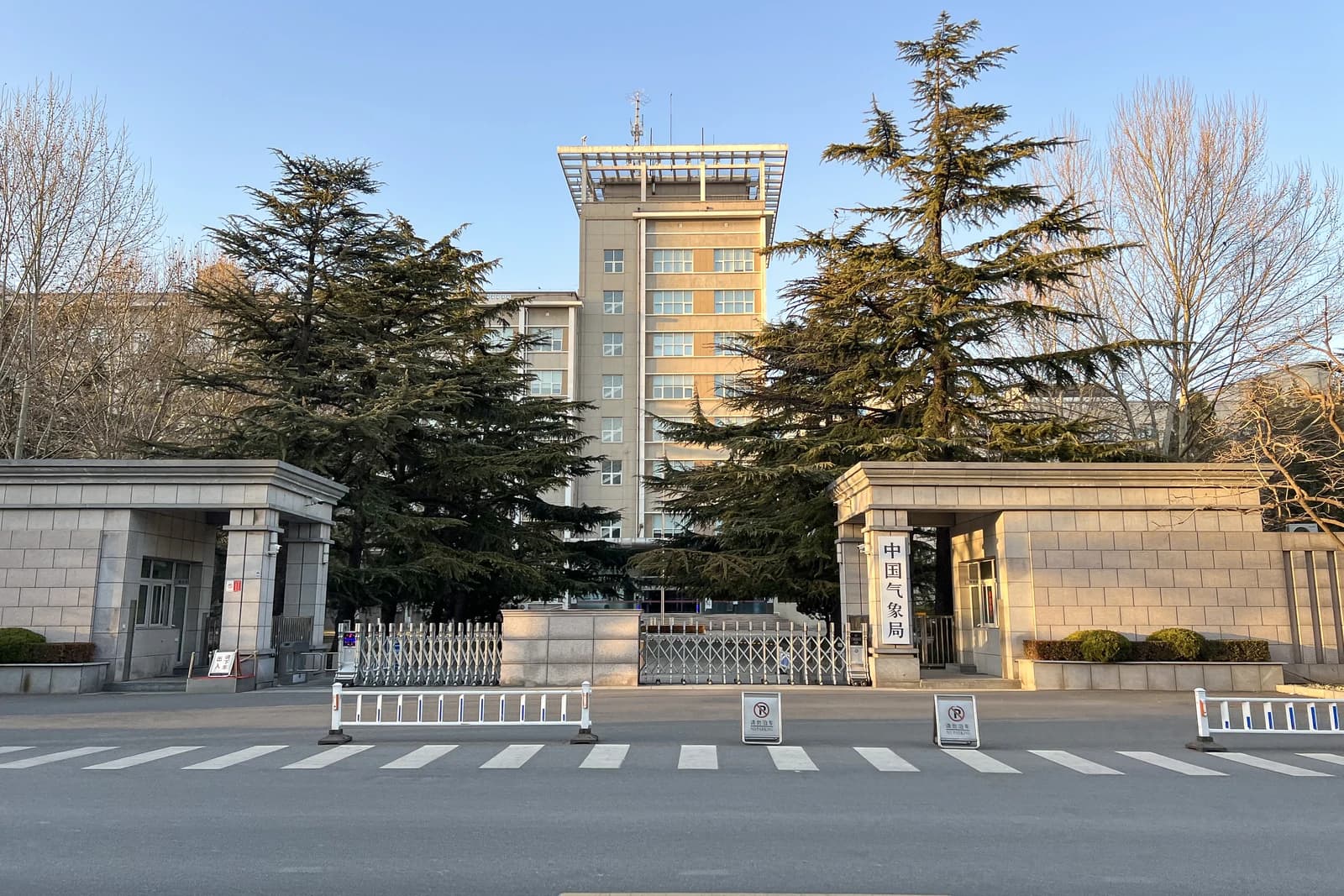
China renewed alerts for heavy rain and a developing typhoon, a reminder that extreme weather is turning into a recurring economic shock for the country’s south just as Beijing tries to keep growth stable.
The immediate issue is not the forecast itself but the scale of the vulnerability. Southern provinces are where much of China’s export manufacturing, port activity, logistics and consumer supply chains are concentrated, so every major storm can ripple far beyond flooded streets and downed power lines. After Typhoon Maysak’s deadly impact in Guangxi — which authorities have now said killed 159 people and left 10 missing, with nearly 7 billion euros in damage — the market has to treat these alerts as more than a weather headline.
The investment case here is about second-order effects. Storm damage can interrupt factory output, delay shipments through ports and inland transport corridors, and lift near-term reconstruction demand. It can also pressure insurers, power utilities, construction firms and local governments, while creating short-lived support for materials, cement, machinery and emergency-response spending. For the broader economy, repeated climate shocks raise the cost of maintaining infrastructure and make an already fragile consumption recovery more uneven.
China’s weather risk also has a market overlay. Hong Kong and mainland Chinese equities have been trying to stabilize after a volatile stretch, with U.S.-listed China internet and mainland trackers still trading below their longer-term technical trendlines. KWEB remains below its 200-day moving average and FXI is also under its 200-day, showing investors are still skeptical about a durable earnings rebound. Another round of storm disruption will not change the macro story by itself, but it can reinforce caution around cyclical recovery trades tied to industrial production, logistics and consumer spending.
The broader narrative is simple: climate volatility is becoming a recurring tax on growth in China’s most economically important coastal and southern regions. That makes resilience an investable theme. Investors should keep an eye on infrastructure reinforcement, grid hardening, drainage, construction and disaster-response names that benefit each time Beijing is forced to spend on repairs rather than stimulus.
For now, the storm warning is another reminder that in China, weather is no longer just a seasonal risk — it is a capital-allocation theme.
| Entity | Gains | Losses |
|---|---|---|
| Infrastructure and construction firms | ▲Repair and rebuild demand | ▼Project delays elsewhere |
| Insurers and reinsurers | ▲Higher pricing power over time | ▼Near-term claims losses |
| Exporters and port operators | ▲None meaningful | ▼Shipment disruptions |
| China local governments | ▲Faster case for resilience spending | ▼Higher emergency and repair costs |