China humanoid robots lift chip and automation theme
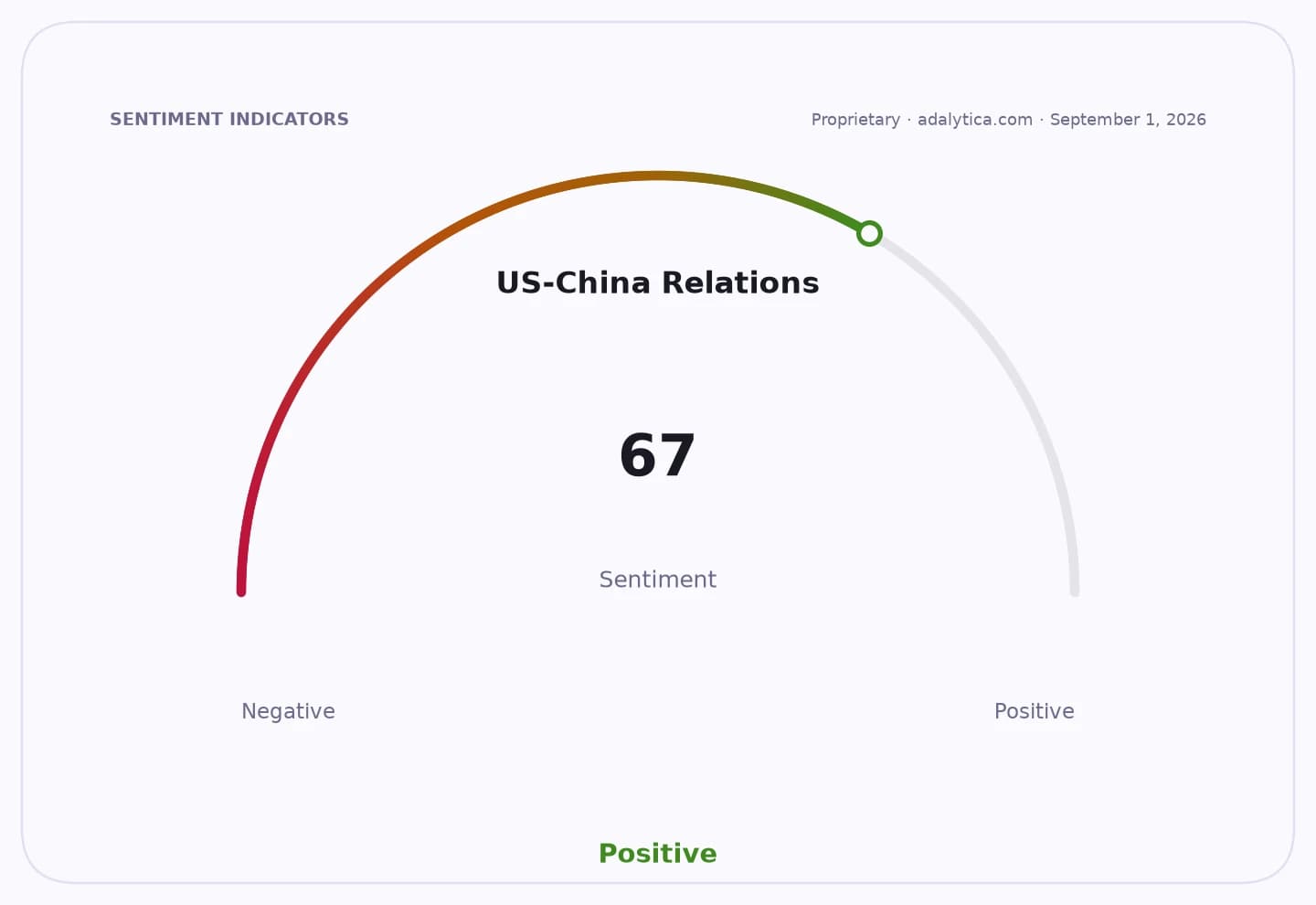
China’s latest humanoid robot showcase is more than a flashy demo — it is a reminder that the next battleground in the U.S.-China technology rivalry may be physical robots, not just chips and software.
A robot finishing a 100-meter sprint in eight seconds is not yet a business model, but it is a powerful signal that China is pushing hard to turn humanoid robotics into a strategic industry. That matters because robots sit at the intersection of artificial intelligence, semiconductors, sensors, industrial automation and advanced manufacturing — the same stack that has driven the market’s biggest winners in recent years.
For investors, the key question is not whether one robot can run fast. It is whether China can compress the timeline from laboratory spectacle to mass production and factory deployment. If it can, the implications stretch well beyond robotics headlines. Lower-cost automation could reshape manufacturing competitiveness, supply chains and capital spending patterns across Asia, the U.S. and Europe.
The U.S. is clearly treating this as another front in a broader technology contest. The same export-control logic that has already hit advanced chips is now extending to robotics, where access to AI accelerators, precision components and manufacturing know-how can determine who scales first. That is why the competition matters even if today’s robots are still limited to repetitive work and entertainment. The companies and countries that learn fastest could own the next decade of industrial productivity gains.
The market’s reaction also shows how this theme is being priced. Nvidia remains central because humanoid robots still need powerful AI compute, while Taiwan Semiconductor Manufacturing sits at the heart of the supply chain that makes those chips possible. Both stocks have pulled back from recent highs, but their long-term cases remain tied to secular demand for advanced semiconductors. ASML, meanwhile, is the gatekeeper for the lithography tools that make next-generation chips, and its shares have also softened even as the broader AI buildout continues.
The technical backdrop suggests investors are no longer chasing the trade blindly. Nvidia is still above its 50-day and 200-day moving averages, but momentum has cooled and RSI readings have slipped back from overbought levels. TSM is trading below its 50-day average, while ASML has also weakened and its RSI has fallen near oversold territory. In plain English: the robotics and AI story is still intact, but the market is demanding better entry points.
That is exactly how long-term investors should think about this theme. Humanoid robots will not transform the economy overnight, and many products will remain expensive, narrow in capability and dependent on subsidies or industrial pilots. But the direction of travel is clear. Automation is moving from fixed factory robots toward more flexible machines that can see, reason and act in messy real-world settings.
The winners are likely to be the picks-and-shovels names with durable moats: chipmakers, chip-equipment suppliers, industrial automation firms and software platforms that supply the intelligence layer. The losers are the countries and companies that fall behind in advanced manufacturing, or that depend on foreign technology they can no longer access freely.
For investors, the lesson is simple: humanoid robots are not a fad to trade, but a multi-year investment theme to own carefully and diversify around. The fastest way to participate is through high-quality semiconductors and automation leaders, while keeping expectations grounded. This is the kind of technological shift that can take years to pay off, but when it does, the compounding can be enormous. Worth watching — and worth a place on a long-term watchlist.
| Entity | Gains | Losses |
|---|---|---|
| China robotics makers | ▲Faster industrial credibility | ▼Skeptics of Chinese tech scale |
| U.S. chip and equipment leaders | ▲More AI/robotics demand | ▼Firms exposed to export controls |
| Manufacturers adopting robots | ▲Lower labor costs over time | ▼Labor-intensive production models |
| Short-term traders | ▲Volatility opportunities | ▼Investors expecting instant adoption |