China Iran sanctions pressure and FXI MCHI levels
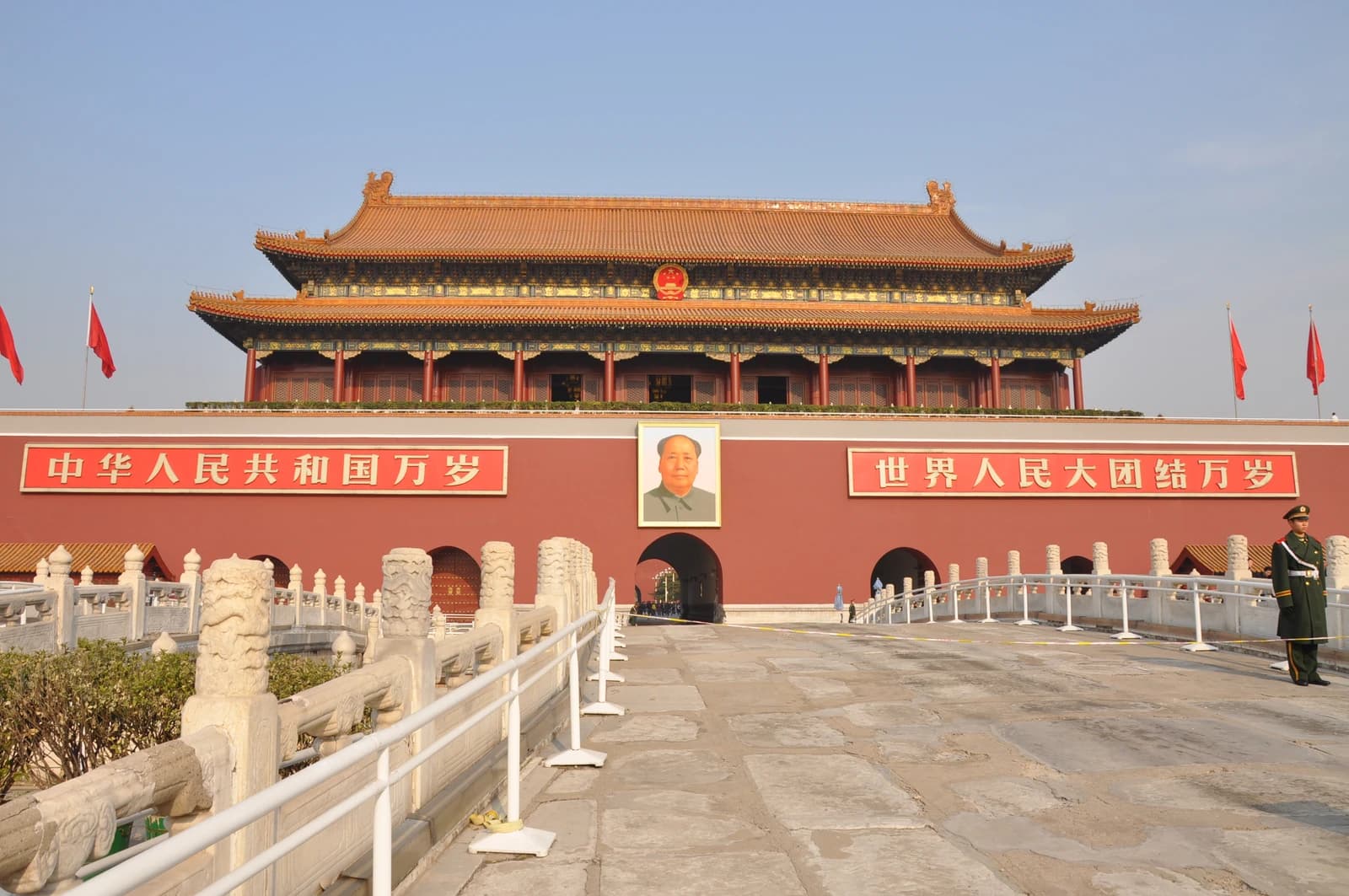
China’s refusal to back Washington’s latest push to tighten pressure on Iran underscores how difficult it is for the US to isolate a major economy when Beijing is prepared to keep trading with sanctioned states. The dispute matters well beyond Middle East diplomacy: it speaks to the limits of US financial power, the resilience of China’s cross-border trade networks and the risk that sanctions become less effective as geopolitical fragmentation deepens.
The Trump administration has outlined a broader sanctions campaign aimed at choking off support for the Islamic Republic, explicitly signaling that Chinese entities would not be spared if they facilitate Iranian commerce. Beijing’s response was to condemn the measures and call for diplomatic engagement, a familiar but consequential stance that puts China once again in direct opposition to US coercive economic policy. For investors, the key issue is not only the bilateral friction, but the precedent it sets: if the world’s second-largest economy is willing to absorb sanction risk to preserve strategic relationships, then the reach of American restrictions is narrower than markets often assume.
That dynamic matters economically because sanctions work best when they can deny a target access to trade, financing and shipping channels. China’s willingness to maintain ties with Iran weakens that mechanism. It also raises the odds of secondary sanctions, compliance scrutiny and disrupted trade flows for banks, shippers and commodity intermediaries with exposure to the region. In practice, this can create a widening gap between the formal scope of US policy and its real-world enforcement, especially where Chinese demand, logistics and financing remain central to the flow of goods.
The market implications are most visible in risk assets tied to China and to broader geopolitical stress. FXI, the large-cap China ETF, has been consolidating around the mid-$35 area after a volatile year, with its latest reading at $35.36 versus a 200-day moving average near $36.55, suggesting the fund remains below a key long-term trend line. Technical indicators show a mixed picture rather than a decisive breakout: RSI is in the mid-40s and MACD remains positive but modest, consistent with a market waiting for clearer policy signals. MCHI has shown a similar profile, closing at $54.41 against a 200-day moving average of about $57.47, also indicating that investors are not yet pricing a sustained rerating for China exposure.
The bull case for China-linked equities is that sanctions confrontation can reinforce Beijing’s narrative of strategic autonomy and keep policy support flowing to domestic markets if tensions escalate. The bear case is that the same confrontation adds another layer of uncertainty to already fragile investor confidence, especially if Washington broadens enforcement against Chinese firms or financial institutions. That would hit not just China ETFs, but also global lenders, energy traders and industrial groups that rely on stable cross-border rules.
The deeper story is that China is no longer just a bystander in sanctions politics. By resisting US efforts to economically isolate Iran, it is showing how multipolar the global financial system has become. For investors, the immediate question is less whether the sanctions rhetoric will intensify — it likely will — and more whether enforcement begins to spill over into trade, shipping, banks and Chinese assets. That is where geopolitical friction becomes a pricing problem.
| Entity | Gains | Losses |
|---|---|---|
| China | ▲Strategic leverage | ▼Sanctions risk |
| US administration | ▲Diplomatic pressure tool | ▼Enforcement credibility |
| Iran | ▲Trade lifeline | ▼Isolation efforts |
| FXI/MCHI investors | ▲Potential policy support | ▼Geopolitical discount |