China Urges Iran to Keep Strait of Hormuz Open
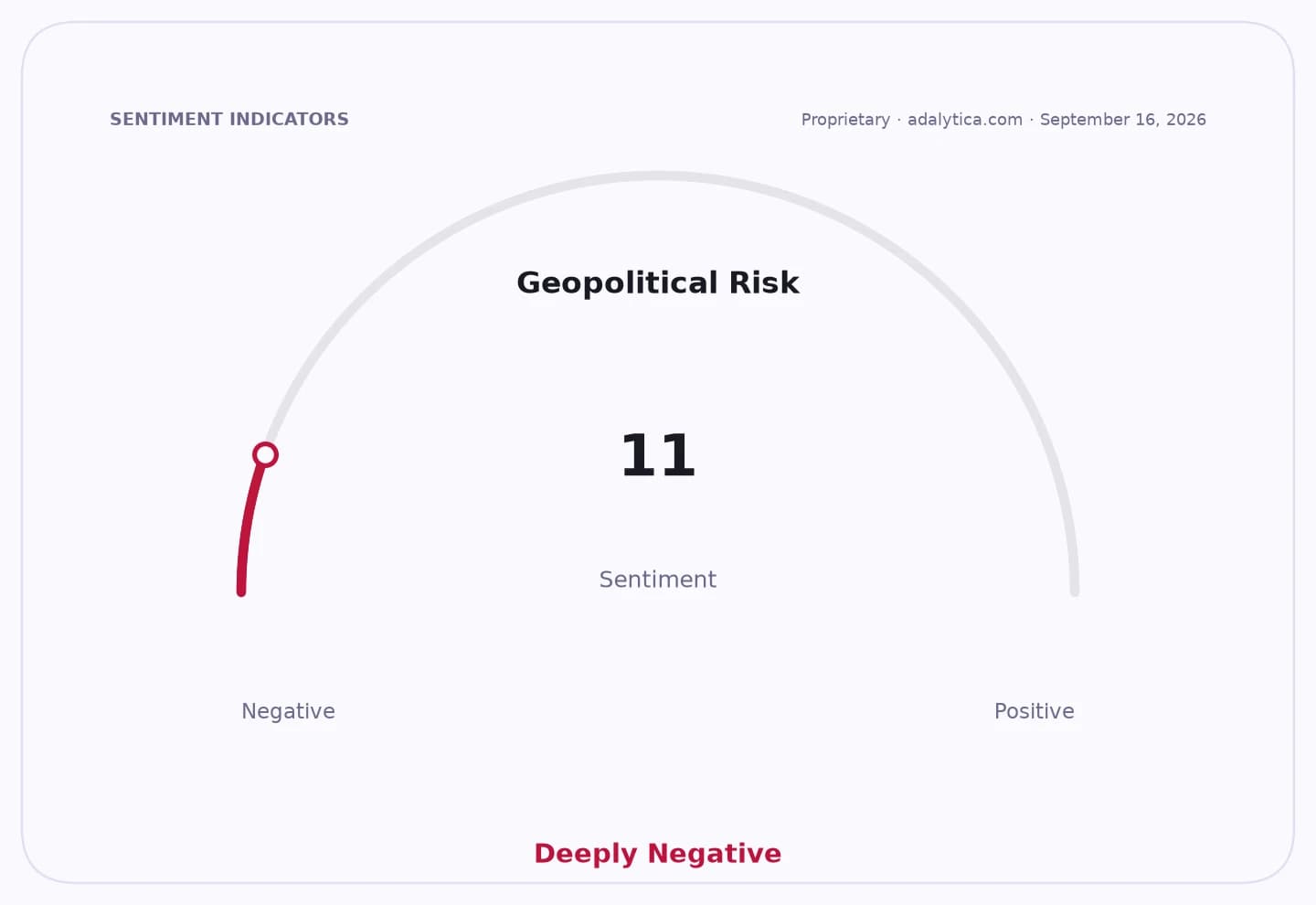
China is pressing Iran to keep the Strait of Hormuz open just as escalating clashes in the region threaten one of the world’s most important oil chokepoints, a development that could quickly ripple through energy markets, inflation expectations and global growth.
That matters because the strait carries a huge share of the world’s seaborne crude and refined products, so even a short-lived disruption can tighten supplies and push up fuel costs far beyond the Middle East. Oil already jumped above $100 a barrel in the latest flare-up, and the market is behaving like traders know what a Hormuz shock can do: WTI-linked sentiment from Adalytica shows extreme fear, while awareness of the risk is running at extreme greed, a combination that often appears when investors are bracing for volatility rather than calling an all-clear.
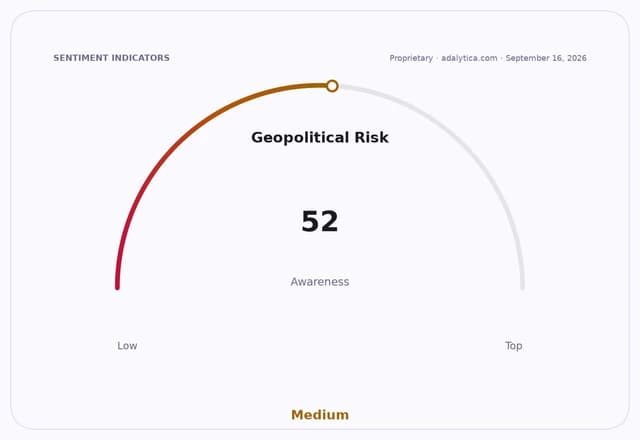
For investors, the immediate winners are the energy companies and producers that benefit from higher crude prices, while importers, airlines, chemicals and consumer-facing businesses usually feel the pinch from more expensive feedstock and transport costs. The S&P 500 Energy sector has been bid up, with the XLE energy ETF and upstream-focused XOP both holding onto strong gains even after recent swings, a reminder that geopolitical shocks can quickly restore pricing power to oil producers. By contrast, higher pump prices tend to work like a tax on households and businesses, which is why the economic damage from a prolonged disruption can stretch well beyond the oil patch.
China’s involvement adds a second layer to the story. As a major buyer of Iranian and Gulf crude, Beijing has a direct economic interest in keeping shipping lanes open, and its appeal to Tehran underscores how regional conflict is now colliding with the energy security of the world’s largest oil importer. The foreign ministers’ talks ahead of Xi Jinping’s planned U.S. visit also suggest diplomacy is trying to outrun events on the ground, but investors have learned that reassurance talks often matter less than whether tankers can keep moving.
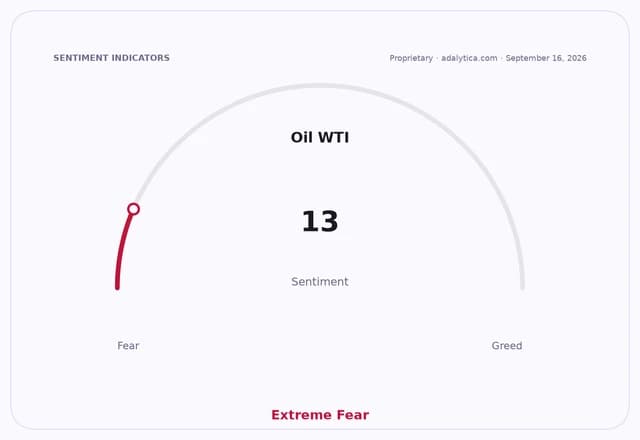
The long-term takeaway is straightforward: the Strait of Hormuz remains a structural risk premium embedded in oil, and every escalation can reprice that risk in a hurry. For patient investors, that argues for owning quality energy producers with strong free cash flow and balance sheets, while staying diversified enough to ride out the inflation shock if supply is interrupted. This is exactly the kind of geopolitical stress that rewards preparation over prediction, so energy remains worth watching and, for the right portfolio, a sector to hold for the long term.
| Entity | Gains | Losses |
|---|---|---|
| Oil producers | ▲Higher crude prices | ▼Demand-sensitive sectors |
| Energy ETFs | ▲Momentum from supply fears | ▼Air travel and transport stocks |
| China | ▲Leverage in diplomacy | ▼Import costs if shipping is disrupted |
| Global consumers | ▲None | ▼Fuel and heating bills |