China-Japan Spat Raises Supply-Chain Risk
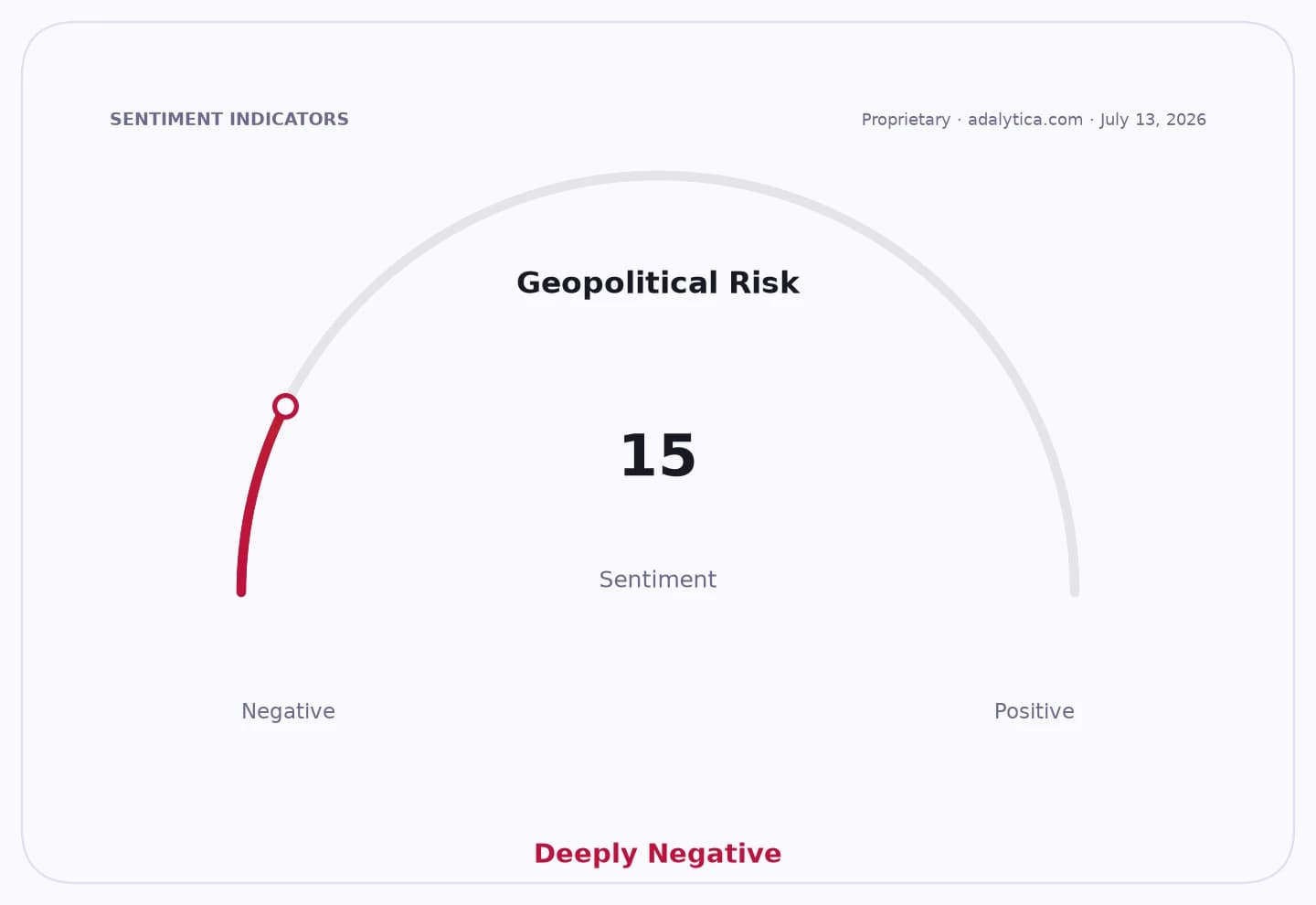
China’s detention of two Japanese nationals and its new export controls on dozens of Japanese companies mark a sharper turn in the bilateral standoff — one that matters far beyond diplomacy because it puts supply chains, industrial margins and investor risk premiums directly in the firing line.
For markets, this is not just another headline in a long-running geopolitical feud. It is a reminder that China is willing to use trade and regulatory pressure as leverage against a key regional rival, and that Japan’s corporate sector remains exposed to sudden policy shocks in the world’s second-largest economy. The immediate economic risk is highest in industries dependent on Chinese inputs, especially rare earths and other strategic materials that feed Japan’s electronics, auto and advanced manufacturing bases.
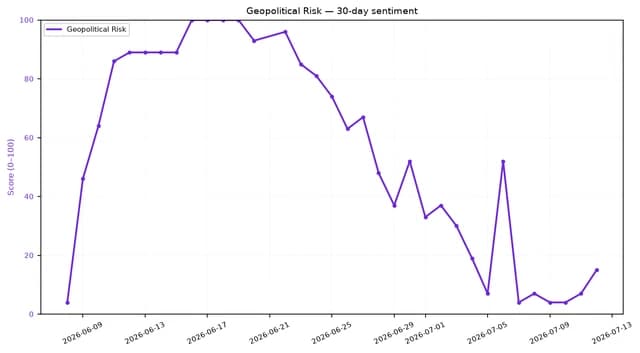
The market has already started to price in that fragility. Japan-focused equities, as tracked by EWJ, have rallied sharply over the past year and are still sitting above both the 50-day and 200-day moving averages, but the recent tape has been volatile, with the ETF losing momentum even as it holds near elevated levels. China-focused FXI, by contrast, remains stuck well below its 200-day moving average, underscoring how geopolitical friction is not helping the broader China equity trade either. The relative message is clear: investors are paying up for Japan’s resilience, but they are still vulnerable to an escalation that hits exporters, capex plans and earnings guidance.
Japan’s own equity complex has been buoyed by a broader re-rating on governance reform, inflation normalization and industrial policy. But this confrontation threatens to expose the hidden discount that still sits on Japan’s global supply chains. If China tightens export controls further or broadens enforcement against Japanese firms, the pressure would quickly move from sentiment to cash flow. That would hit autos, machinery, semiconductors and precision components first — exactly the sectors that make Japan an essential node in the global manufacturing stack.
The bigger narrative is that Asia is moving deeper into an era where geopolitics shapes pricing power. China’s move signals it is willing to weaponize market access and materials at a moment when Japan is already more openly strategic about economic security. That creates opportunity for investors willing to position early in the second-order beneficiaries: non-China suppliers of critical minerals, U.S. and Japanese defense names, and industrials tied to supply-chain relocation across Southeast Asia and India.
The market underestimates how durable this shift can be. Once companies begin redesigning procurement around political risk instead of just cost, the winners are not the cheapest producers — they are the most reliable ones. That is why this conflict could ultimately strengthen the case for redundancy, reshoring and defense capex, even as it punishes the most China-dependent names in the near term. The actionable takeaway: stay selective on Japan, avoid the most China-exposed exporters, and look for the real asymmetric upside in supply-chain diversification and geopolitical insulation.
| Entity | Gains | Losses |
|---|---|---|
| Japan defense and security names | ▲Higher spending urgency | ▼ |
| Non-China critical mineral suppliers | ▲Supply-chain diversification | ▼China market access |
| Japanese exporters tied to China | ▲ | ▼Export-control risk |
| China-dependent manufacturing firms | ▲ | ▼Input shortages, disruption |