China-Kyrgyzstan-Uzbekistan Railway Could Form Corridor
A new China-Kyrgyzstan-Uzbekistan railway could turn a long-discussed transport link into a wider economic corridor, with as many as 100 enterprises potentially created along the route, according to Kyrgyz expert Sheradil Baktygulov.
That matters because the project is no longer just about moving freight faster between China and Central Asia. If it attracts industrial parks, logistics hubs, warehouses and service businesses, it could start reshaping land use, employment and trade flows across one of the region’s most strategically important overland routes. For Kyrgyzstan and Uzbekistan, the value lies not only in transit fees but in the local capture of manufacturing, distribution and customs-related activity that usually accrues to larger gateway economies.
The railway also comes at a time when governments across the region are trying to reduce dependence on existing chokepoints and diversify export and import channels. A functioning corridor through Kyrgyzstan would strengthen Central Asia’s role in Eurasian trade at a moment when supply chains remain sensitive to geopolitical risk and route disruptions. It would also deepen China’s economic reach into the region, complementing Beijing’s broader push for overland connectivity and market access.
For investors, the story is about second-order beneficiaries. Rail construction and equipment suppliers may gain first, but the bigger opportunity could sit with logistics operators, industrial developers, customs technology providers and local banks financing corridor-related projects. A successful rail line could also support volumes for existing freight networks by opening new intermodal flows, though it may pressure rival routes competing for cargo.
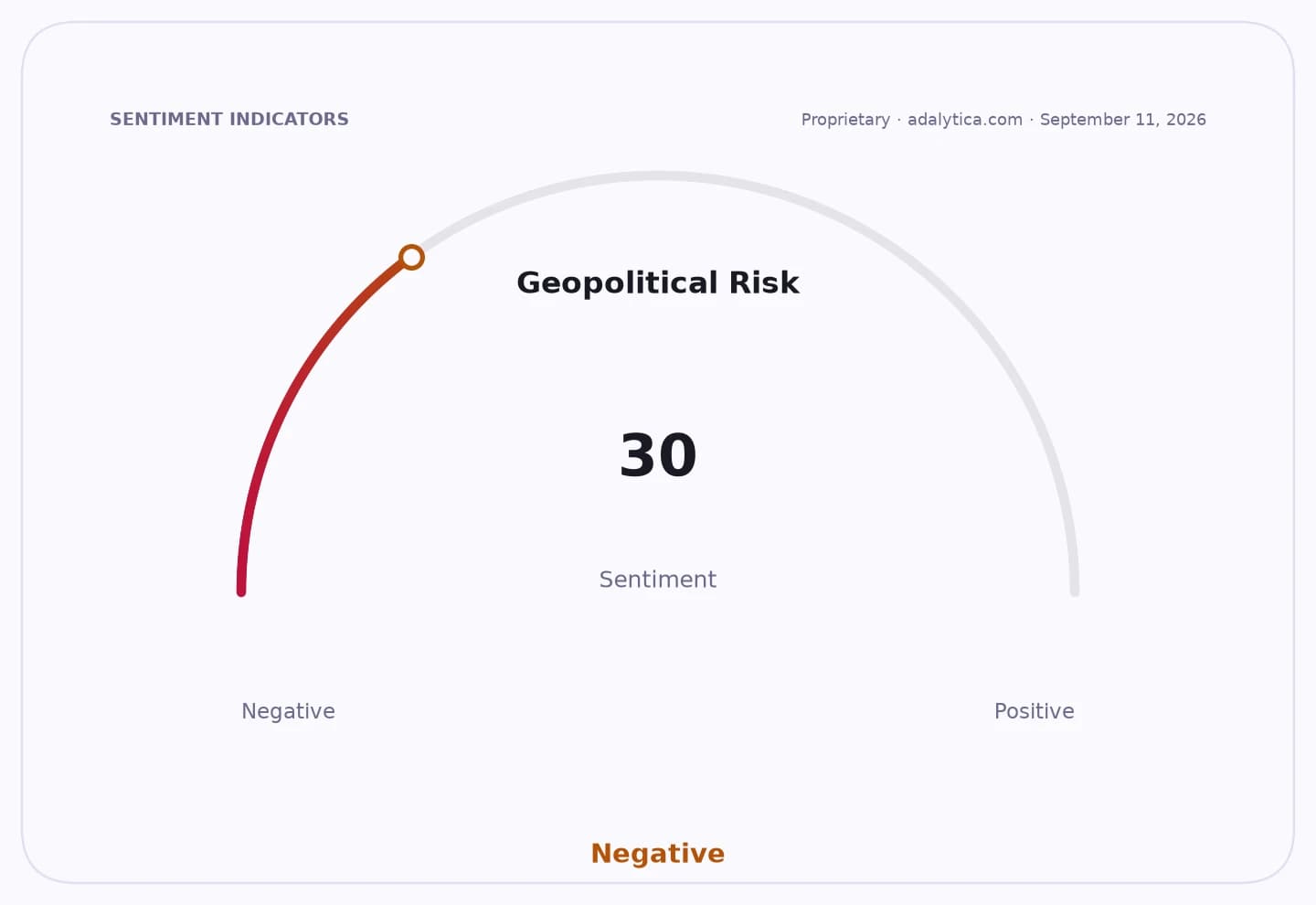
The market backdrop is mixed. Shares linked to rail and transport infrastructure have been volatile, with conventional technical indicators on some rail names showing recent weakness despite earlier bursts of momentum. That suggests investors are still waiting for clearer evidence that corridor projects can translate into contracts, earnings and sustained freight demand rather than just headlines.
The bull case is that the railway creates a durable trade spine through a region hungry for investment and jobs. The bear case is that grand infrastructure plans often produce uneven returns if customs procedures, financing, land development and cross-border coordination lag the steel track itself. The commercial payoff will depend on whether the three countries can move quickly from construction to operations and from transit to value creation.
| Entity | Gains | Losses |
|---|---|---|
| Kyrgyzstan and Uzbekistan | ▲transit income, jobs | ▼limited if execution stalls |
| China | ▲overland access, influence | ▼higher project complexity |
| Logistics and developers | ▲new corridor demand | ▼rivals on existing routes |
| Local exporters/importers | ▲shorter trade routes | ▼delay if borders remain slow |