China New Leadership Signals Policy Continuity
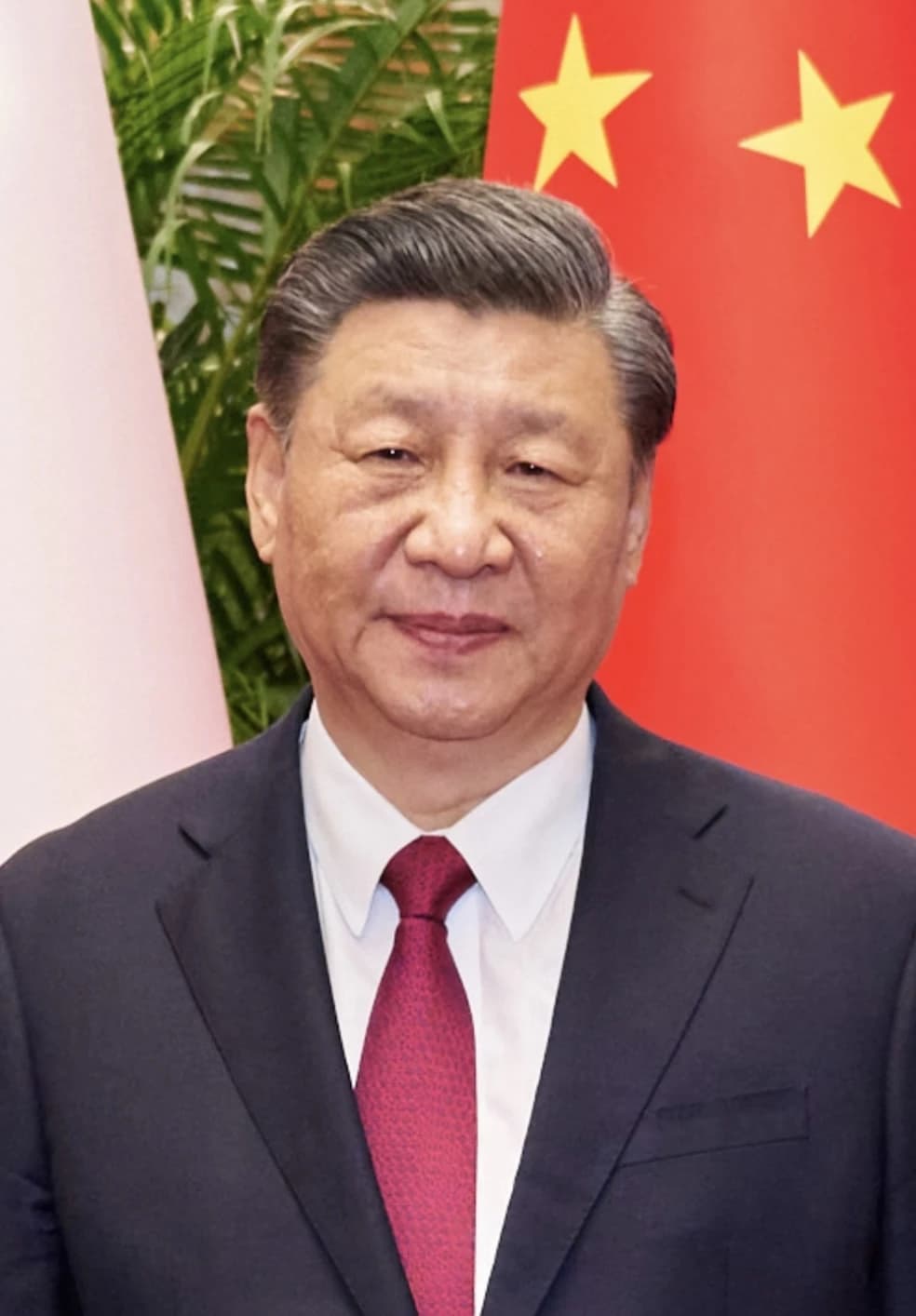
China’s new top team is moving quickly to project continuity on the economy, even as President Xi Jinping deepens his grip on the military and the broader state apparatus. For investors, the key takeaway is that Beijing is signaling policy steadiness at a time when China’s recovery still needs support and global headwinds remain heavy.
Li Qiang’s elevation to premier, alongside a revamped lineup of vice-premiers, state councilors and key ministers, gives Xi a leadership structure stocked with officials who have spent years managing provinces, industry and the bureaucracy. That matters because China’s next phase of growth is less about headline stimulus and more about execution: getting credit flowing, supporting consumption, stabilizing property and keeping the export machine competitive despite weaker demand abroad.
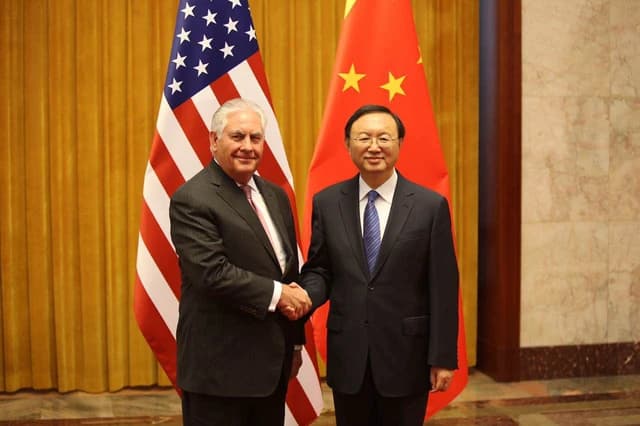
The appointments also underline how China intends to navigate a tougher external environment. Tensions with the U.S. remain elevated, protectionism is rising and geopolitical risk is still a live issue for supply chains, trade and capital flows. A government team with deep local and technical experience could help Beijing respond faster to stress points in the economy, while continuing reforms and what officials call “opening-up” to keep foreign investment engaged.
That is why the leadership transition matters beyond Beijing. China is still the world’s second-largest economy, and even modest shifts in policy implementation can ripple through commodities, industrial metals, multinational earnings and emerging-market sentiment. If the new lineup can stabilize growth without a large policy misfire, it would support global trade and reduce pressure on cyclical sectors that depend on Chinese demand.
At the same time, Xi’s parallel overhaul of senior military ranks shows this is not just an economic story. The expulsions and reshuffling in the People’s Liberation Army reinforce the message that loyalty and control remain paramount. For investors, that means political risk is not disappearing; if anything, the centralization of power makes policy more predictable in some areas and less forgiving in others.
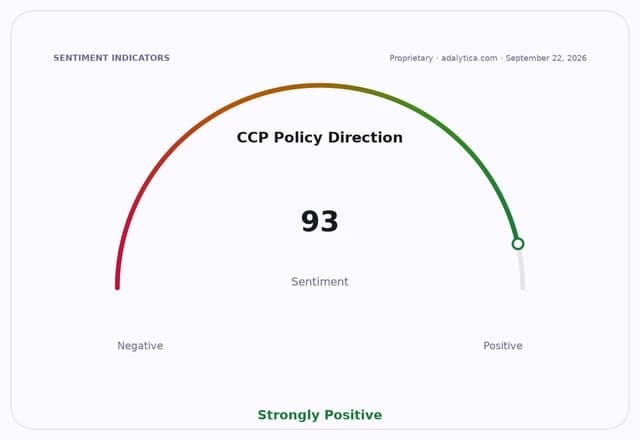
Adalytica’s China CCP Policy Direction sentiment gauge shows extreme greed, reflecting the market’s hope that the new leadership will deliver stability and growth. The U.S.-China relations sentiment reading is also elevated, suggesting investors are watching for any improvement in the relationship, even if tensions remain structurally high.
For long-term investors, the bigger question is whether this leadership team can turn political control into durable economic momentum. China still has the tools to support growth, but the payoff will depend on execution, confidence and how effectively Beijing balances reform with stability. That makes China worth watching, not chasing — and for diversified investors, it remains a key market to monitor over the next several years.
| Entity | Gains | Losses |
|---|---|---|
| China’s new leadership | ▲Policy continuity | ▼Room for policy surprise |
| Domestic economy | ▲Potential stabilization | ▼Short-term uncertainty |
| Global exporters | ▲Chinese demand support | ▼Geopolitical friction |
| Investors in China-linked assets | ▲Better growth odds | ▼Political and execution risk |