China mall pressure grows as online shopping rises
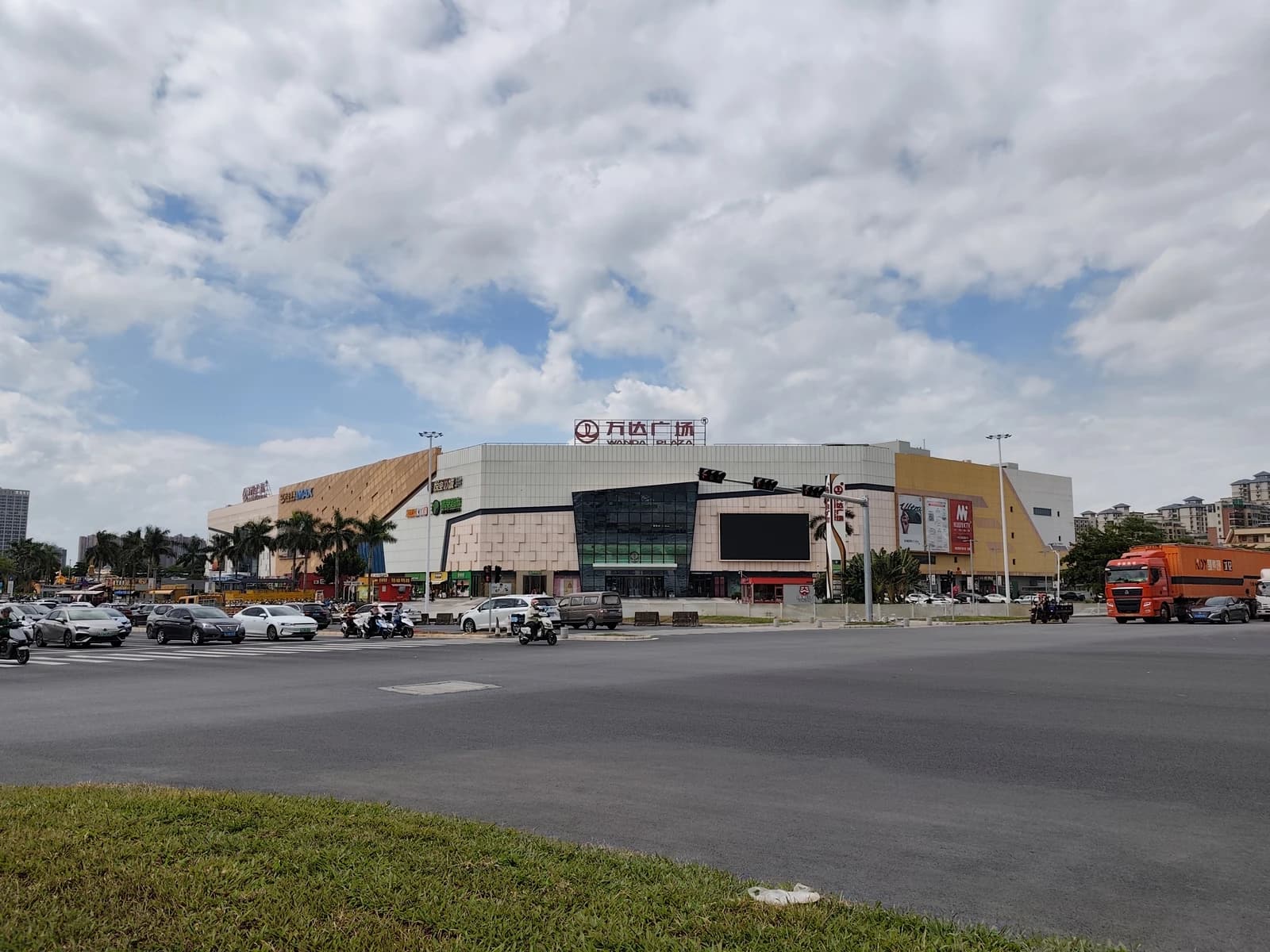
China’s accelerating shift to online shopping is deepening the pressure on physical malls, and developers are already admitting the fight is being lost in the country’s lower-tier cities. That matters because mall traffic is the cash register for a huge slice of China’s retail real estate market, and weaker footfall quickly turns into vacancy, lower rents and stranded capital.
A study commissioned by architecture firm Broadway Malyan and based on interviews with Chinese property professionals found that the growth of online retail sales was the top “nightmare” for senior developers, ahead of rising mall vacancies in tier II and III cities and the broader economic slowdown. Each of those worries was cited by 63% or more of respondents, underscoring that e-commerce is no longer a side risk but the central threat to the traditional mall model.
The economics are straightforward. When consumers buy more on mobile apps and platforms, the mall loses tenant sales, tenants resist rent increases and some simply exit. That dynamic is especially damaging in lower-tier cities, where demand is thinner, brand turnover is weaker and developers have fewer ways to replace lost traffic. The report also flagged a lack of differentiated brands and weak market research as major headaches, suggesting many projects are still being built around assumptions that no longer match Chinese consumer behavior.
For investors, the message is not just that retail real estate is under pressure; it is that capital is likely to keep concentrating in the winners. In China, that means developers and mall operators with premium assets, stronger mixed-use ecosystems and the ability to create destination experiences rather than plain shopping space. The market is already rewarding scale and quality, and punishing anything exposed to commoditized secondary malls.
That has implications beyond landlords. International retailers, food and beverage chains and luxury brands still see China as an expansion market, but they are increasingly selective about where they place stores and how much they pay. The report said respondents still see “sweet dreams” in consumers’ appetite for new retail experiences and government support for domestic consumption, but that optimism does not erase the structural drag from e-commerce. It simply raises the bar for physical retail to justify its existence.
The investable takeaway is clear: the best trade is not a blanket bet on Chinese retail property, but a selective one on operators that own irreplaceable assets and can monetize experience, entertainment and dining. The losers are the developers still betting that foot traffic will recover on its own. I believe the market underestimates how quickly online commerce can reprice mall economics in China, especially outside the top cities.
| Entity | Gains | Losses |
|---|---|---|
| Online retailers | ▲More sales share | ▼ |
| Premium mall operators | ▲Flight to quality traffic | ▼Secondary mall vacancies |
| China developers in tier II/III cities | ▲ | ▼Rent pressure and higher vacancy |
| Consumers | ▲More choice and convenience | ▼Less physical retail variety |