China doubles down on manufacturing and AI policy
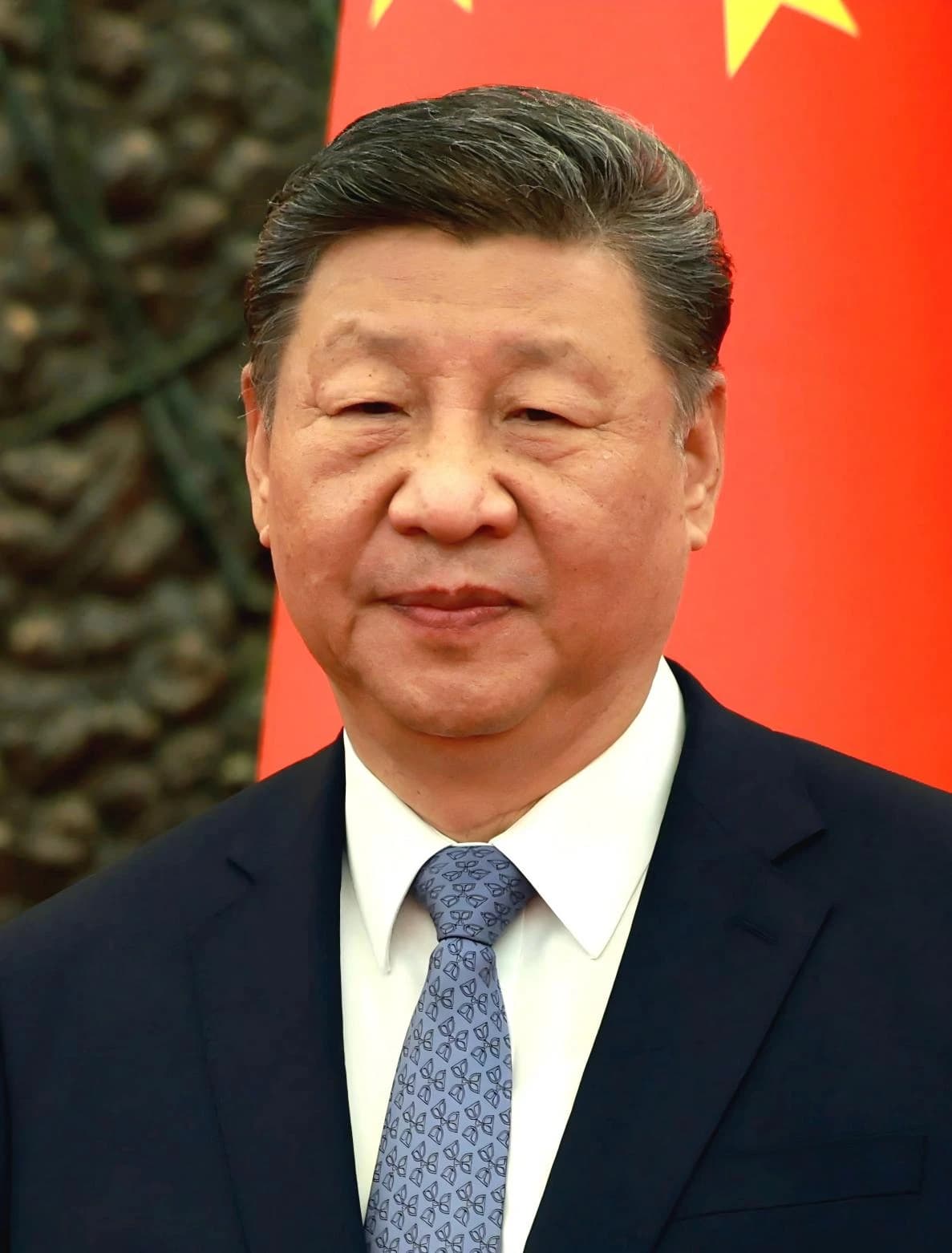
China’s top leadership is doubling down on advanced manufacturing and tighter control of industrial supply chains, a strategy that reinforces Beijing’s bid for technological self-sufficiency while deepening trade frictions with the U.S. and Europe.
President Xi Jinping said China would make advanced manufacturing “bigger and stronger” and raise the country’s autonomy and control over key industrial chains, according to Xinhua. Premier Li Qiang separately called for faster modernization through digitalization and artificial intelligence, underscoring that high-tech production remains central to the government’s growth model.
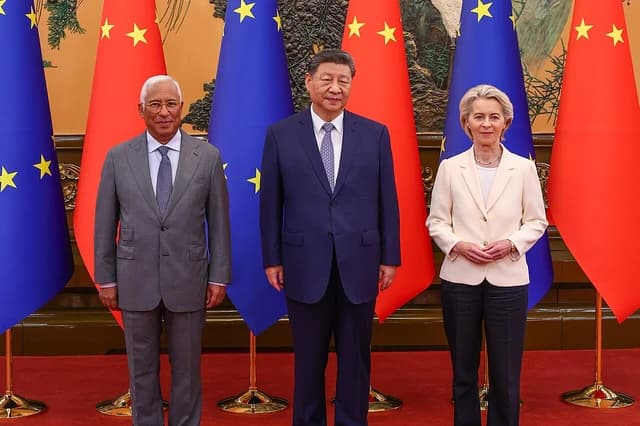
The message matters because Beijing is signaling that it will keep diverting credit and policy support away from property and into manufacturing, even as officials wrestle with weak household income growth and soft domestic demand. The shift has helped China build industrial scale, but it is also feeding concerns abroad that the country is exporting deflationary competition in sectors from electric vehicles to green technology.
European policymakers and manufacturers have already warned about the pressure from China’s rising output, with critics labeling the dynamic “China Shock 2.0.” For investors, the policy mix points to continued support for Chinese industrial champions, battery makers, EV suppliers and AI-linked hardware firms, while intensifying risks for global peers facing more aggressive price competition and supply-chain displacement.
The backdrop is increasingly geopolitical. The U.S. and China remain locked in disputes over export controls, sanctions and technology access, and companies from Apple to Nvidia have warned in filings that restrictions and industrial policy can hit sales, margins and inventory. Chinese authorities have also expanded legal tools to intervene in supply chains, adding another layer of uncertainty for foreign chipmakers and equipment suppliers.
China-tracking funds such as the iShares China Large-Cap ETF and the KraneShares CSI China Internet ETF were little changed in recent trading, suggesting investors are still waiting for proof that policy support can translate into stronger consumer demand rather than just more industrial output. The next test is whether Beijing’s manufacturing-first strategy can sustain growth without worsening overcapacity tensions or triggering a broader trade response.
| Entity | Gains | Losses |
|---|---|---|
| China industrial champions | ▲Policy support, cheap credit | ▼Import competition |
| Chinese EV and green-tech exporters | ▲Global scale, export momentum | ▼Foreign tariffs |
| U.S. and European manufacturers | ▲Limited near-term gains from demand | ▼Margin pressure, pricing pressure |
| Foreign chip and equipment suppliers | ▲China demand if access holds | ▼Export-control and policy risk |