China nuclear capacity growth lifts uranium ETFs
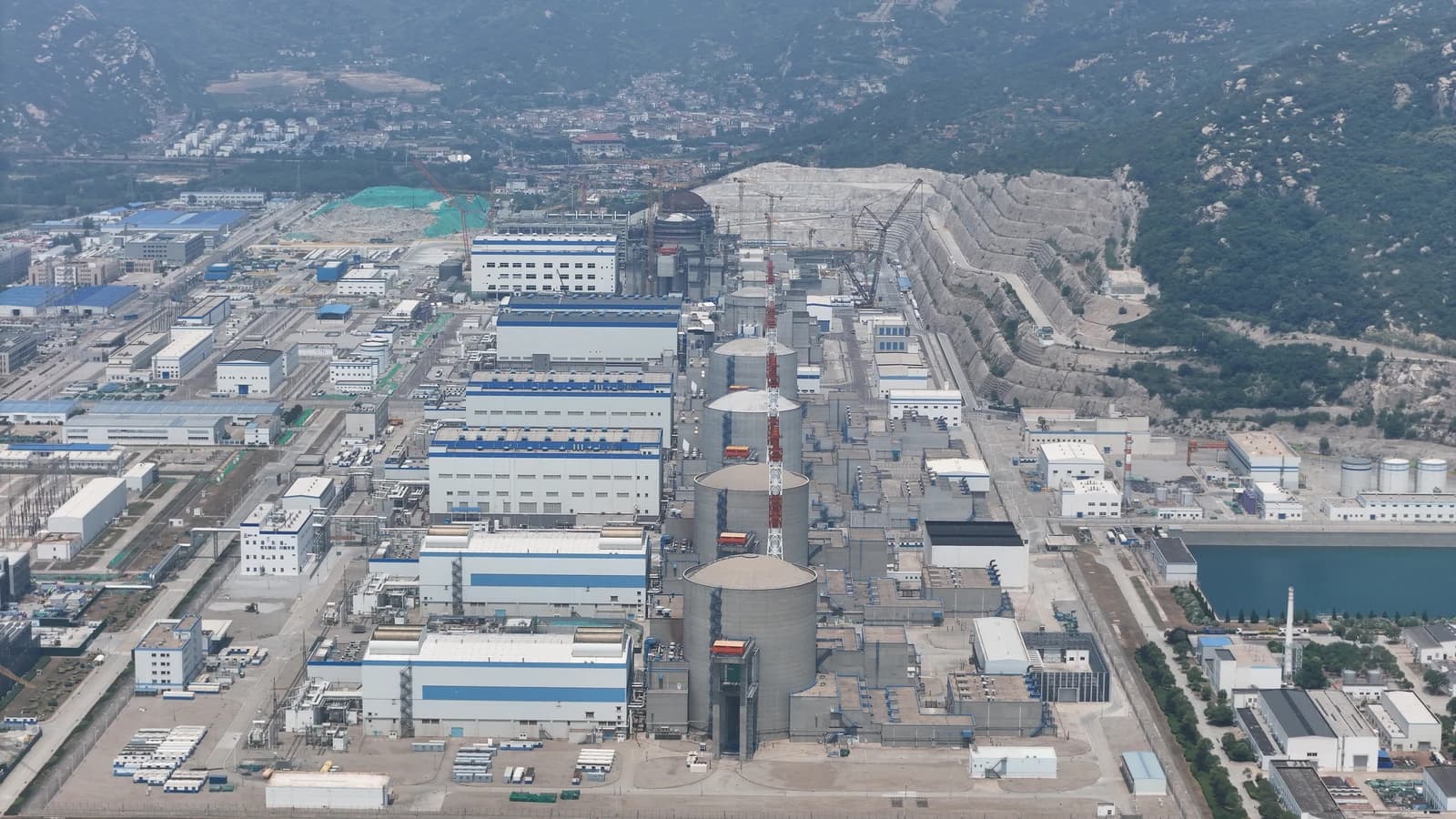
China is moving fast to build nuclear power capacity, and if it keeps up the pace, it could surpass the U.S. in coming years, a shift that matters far beyond the power sector. For investors, it is another sign that electricity demand, uranium supply and the nuclear fuel cycle are entering a new growth phase just as the global race for energy security intensifies.
That matters because nuclear power is no longer just a climate story. It is becoming a strategic answer to rising demand from data centers, artificial intelligence and industrial electrification, while governments look for reliable baseload power that does not depend on volatile fossil fuels. China’s expansion also reinforces a broader economic message: countries that can control nuclear buildouts, fuel supply and related infrastructure may gain leverage in the next energy cycle.
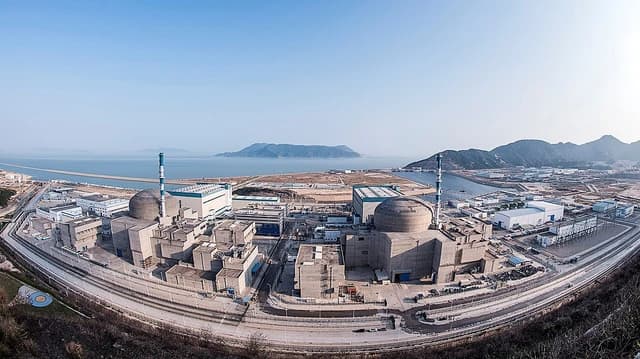
The market has already started to reflect that view. The VanEck Uranium and Nuclear ETF, known by its ticker URA, has climbed to $45.17 as of Aug. 11, after briefly trading above $61 earlier this year, showing how quickly investors have chased the theme. Shares of Cameco, one of the sector’s bellwethers, closed at $98.73, while the Global X Uranium ETF has also seen sharp swings as traders weigh how much uranium demand could rise if more reactors come online. The technical picture has been strong enough to keep momentum investors interested, with URA rebounding back above its 50-day moving average and its RSI in the mid-60s, while Cameco remains well above its 50-day average and trying to stabilize after a pullback.
Long term, the more important story is supply. Building reactors is only part of the equation. Every new plant needs uranium, conversion, enrichment and a reliable fuel chain, and that is where today’s scarcity and geopolitics collide. Reuters has reported that China’s rare-earth leverage is facing pressure from U.S. diversification efforts, but nuclear is a different kind of strategic choke point: it is harder to replace, slower to build and much more capital-intensive. That makes the companies and countries tied to the fuel cycle potentially valuable for years, not weeks.
There are risks, of course. Nuclear projects can run over budget, face regulatory delays and attract political scrutiny after any safety incident. U.S. utilities such as NextEra Energy and Dominion still carry the financial and operational burden of maintaining aging fleets, and the sector is exposed to swings in power prices, uranium supply and interest rates. But for patient investors, those risks are part of a much larger opportunity: a global push for clean, dependable power that could keep nuclear demand elevated well into the 2030s.
If China does overtake the U.S. in nuclear capacity, it will be more than a symbolic milestone. It would underline how energy, technology and geopolitics are converging around the same scarce resources. For investors, that makes nuclear names worth watching, but it also argues for diversification and a long-term mindset. The winners may be the companies with durable fuel supply, proven reactor expertise and the balance sheets to survive the buildout cycle.
| Entity | Gains | Losses |
|---|---|---|
| China | ▲Energy security, industrial power | ▼Less reliance on fossil fuels |
| Uranium miners and ETF holders | ▲Higher long-term demand | ▼Volatility and project risk |
| U.S. policymakers | ▲Incentive to invest in domestic fuel supply | ▼Strategic pressure from China |
| Fossil-fuel generators | ▲Little or no gain | ▼Share of baseload demand |