China nuclear buildout and uranium demand outlook
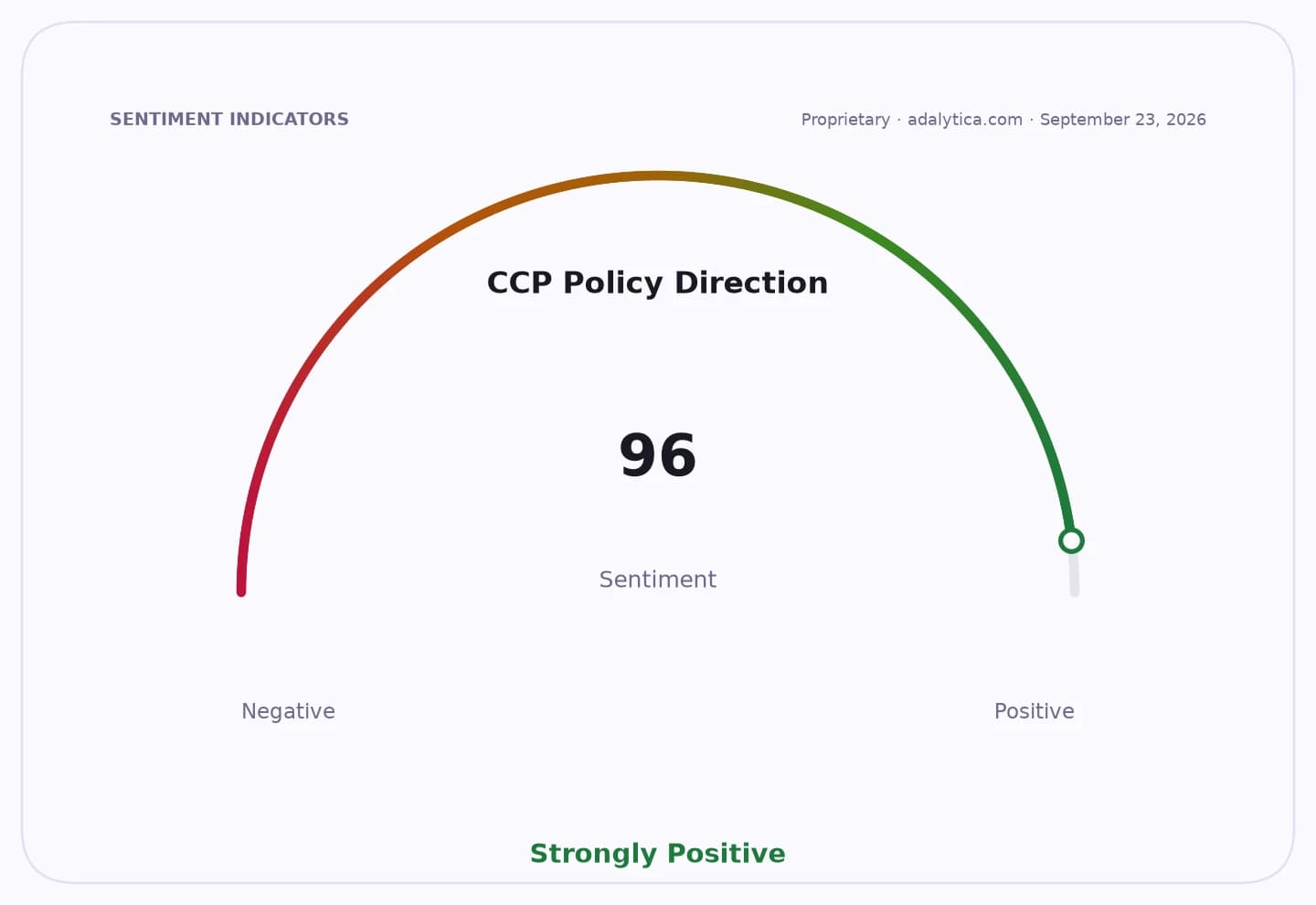
China is on track to become the world’s dominant nuclear power producer through 2035, a shift that would reshape energy security, industrial policy and the competitive landscape for uranium and reactor technology.
The significance goes well beyond generation capacity. China is now building nuclear plants faster and at greater scale than any other major economy, and it is pairing that expansion with a push into advanced reactor designs that could set global standards in the next phase of the nuclear cycle. For investors, that raises the stakes for uranium suppliers, reactor developers and utility companies on both sides of the Pacific, while underscoring how nuclear power is becoming central to the AI-driven race for reliable, carbon-free baseload electricity.
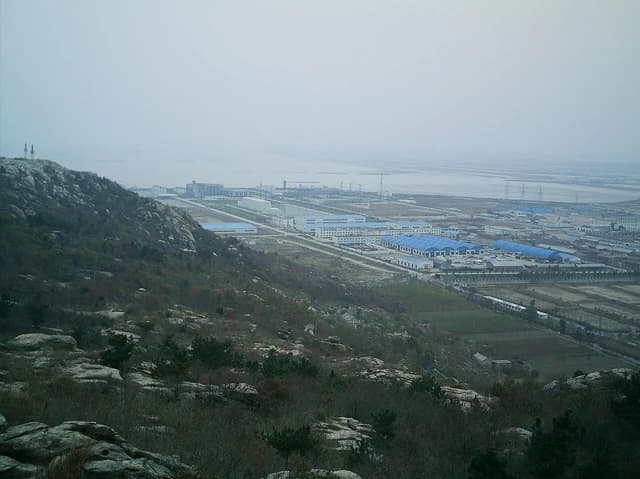
Damien Ma, energy lead analyst at Gavekal Technologies, said China will have “the world’s most dynamic and significant nuclear industry through 2035,” pointing to construction efficiencies that allow Chinese plants to be completed in about six years versus more than a decade for the Vogtle reactors in the United States. That speed matters economically because it compresses capital deployment, lowers financing risk and allows China to add new low-carbon capacity at a pace the US has so far failed to match.
The US remains the largest producer of nuclear energy today, but it has added only one new plant in the past decade, Georgia’s Plant Vogtle, which became a cautionary tale for cost overruns and delays. China, by contrast, added 34 gigawatts over the same period, according to the source article, and its latest five-year plan suggests the buildout is still accelerating. That divergence has consequences for power markets, industrial competitiveness and emissions trajectories, especially as electricity demand rises from data centers and manufacturing reshoring.
Beijing is also trying to turn scale into technological leadership. The country has advanced from conventional reactors to a broader ecosystem that includes high-temperature gas-cooled reactors, thorium-related work and other fourth-generation designs, according to industry reports cited in the source. The strategic point is not only generating more electricity, but securing fuel independence and exporting reactor know-how to countries seeking long-duration, zero-carbon power.
That export ambition was reinforced this week when China signed a deal with the International Atomic Energy Agency to share more of its expertise on high-temperature gas-cooled reactors, or HTGRs, including work on research, design, construction, commissioning, operation and training. The move is notable because Beijing has historically guarded its nuclear technology closely. Opening the door to wider cooperation suggests China sees an opportunity to shape global standards and deepen its influence in emerging nuclear markets.
For investors, the winners and losers are becoming clearer. Uranium demand should stay supported if China continues its buildout, benefiting miners and fuel-cycle companies at a time when Western utilities are also trying to secure supply. Shares of uranium-linked names have already reflected that enthusiasm: uranium ETF URA has remained volatile but is trading well above its spring lows, while reactor and nuclear-equipment stocks such as NLR and Cameco have also been elevated relative to recent troughs, even after pullbacks from earlier peaks. The message is that the market still sees nuclear as a multi-year structural trade, not a short-lived policy theme.
The bear case is that execution, geopolitics and capital intensity could slow the story. China’s nuclear expansion faces the usual risks of large infrastructure programs: regulation, supply-chain bottlenecks and the possibility that export ambitions clash with security concerns in an era of intensified US-China technology rivalry. Washington is also trying to revive its own nuclear sector, including domestic uranium mining and enrichment, so the contest is not one-sided. But the broader trend is hard to miss: the center of gravity in nuclear energy is moving toward China, and that shift is likely to shape power markets, industrial policy and investor positioning for years to come.
| Entity | Gains | Losses |
|---|---|---|
| China nuclear sector | ▲Global leadership, export leverage | ▼Higher scrutiny, security concerns |
| Uranium miners and fuel suppliers | ▲Stronger long-term demand | ▼Policy or supply shocks |
| US nuclear industry | ▲Strategic urgency, policy support | ▼Relative loss of scale and influence |
| IAEA member states | ▲Broader access to reactor know-how | ▼Dependence on Chinese standards |