China plans to expand offshore yuan liquidity

China is moving to expand its offshore yuan market, a step that could improve liquidity for the currency outside the mainland and strengthen Beijing’s effort to widen the yuan’s international reach.
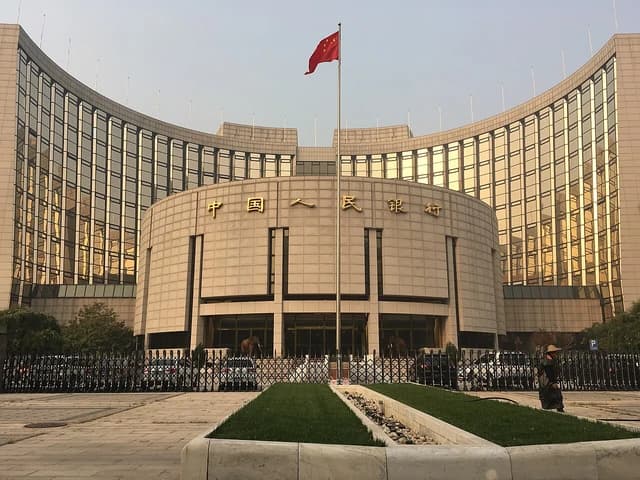
Deputy central bank governor Lu Lei said the plan is aimed at increasing the supply of offshore yuan liquidity, underscoring a policy push to make the currency more usable for trade, financing and investment across overseas hubs such as Hong Kong and Singapore. For investors, that matters because deeper offshore markets can reduce funding stress, narrow bid-ask spreads and make yuan-denominated assets easier to trade.

The move also fits Beijing’s broader campaign to reduce reliance on the dollar in cross-border transactions and build a more versatile financial infrastructure around its currency. That has implications for exporters, Chinese banks and global asset managers that hold yuan exposure, especially if liquidity support makes offshore funding conditions more stable.
The yuan has been drawing strong trading interest, with Adalytica’s Chinese Yuan Trade Signals showing extreme greed and a sharp increase in 7-day change, while the U.S. dollar signals remain more neutral. Even so, any lasting shift in offshore yuan usage will depend on whether policymakers keep easing access, maintain stable onshore-offshore links and support confidence in the currency through the next round of trade and policy headlines.
| Entity | Gains | Losses |
|---|---|---|
| Offshore yuan borrowers | ▲Better liquidity | ▼Tighter funding spreads |
| Chinese policymakers | ▲Greater currency reach | ▼Less control if flows widen |
| Global trade and FX investors | ▲Easier yuan trading | ▼Less scarcity premium |
| Dollar funding rivals | ▲More competition | ▼Potential share loss |