China outbound travel rebound lifts Asia tourism
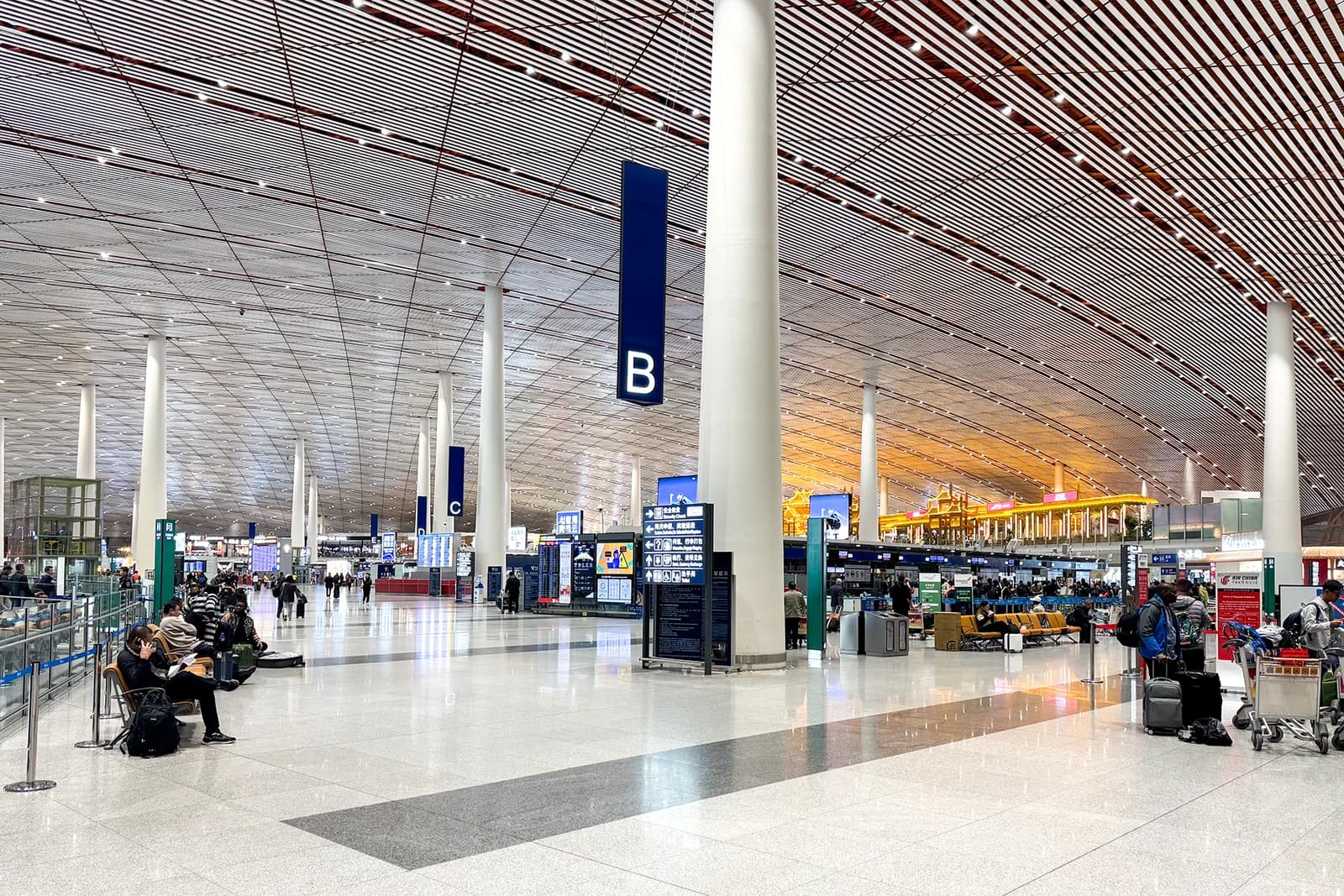
China’s outbound travel rebound is shaping up as one of the most important demand stories in global tourism, with industry data showing bookings surging after Beijing ended its zero-COVID policy and pointing to a bigger wave in the summer months.
That matters because Chinese travelers are not just another source of vacation spending. They are a high-value customer base for airlines, hotels, casinos, retailers and destinations across Asia-Pacific, and their return can quickly change pricing power, occupancy and route economics across the travel chain.

More than 60% of respondents in a Chinese Traveler Sentiment Report said they wanted to travel outside mainland China in 2023, a sign of how much pent-up demand had built up during three years of restrictions. Bookings for the Lunar New Year holiday were more than five times higher than a year earlier, while trips to Southeast Asia were up ten-fold, with Thailand leading the pack and Singapore, Malaysia, Cambodia and Indonesia close behind.
The early rebound is being led by nearby destinations that have relaxed entry rules for Chinese travelers. Thailand offers visa-on-arrival access, while Cambodia, Indonesia and the UAE have also eased the path. That gives regional tourism markets an immediate edge, especially as travelers look for shorter-haul, lower-friction trips after years of limited cross-border movement.
But the recovery is still constrained by supply. Scheduled international flight capacity in the first quarter was only 21% of 2019 levels, and airlines cannot rebuild networks overnight because of traffic-right approvals, airport slots and high fares. That means the first phase of the rebound is likely to be uneven, with some destinations and carriers benefiting faster than others.
The bigger opportunity may come when airlines open summer schedules starting March 26. Survey data suggests 42% of respondents plan to travel abroad in July and August, while another 32% are eyeing an autumn Golden Week trip. That is why travel companies and investors are watching the second half of the year more closely than the first.
For airlines, the benefit is obvious: fuller planes, stronger yields and better long-haul economics if capacity catches up. For hotels and resort operators, especially in Asia, it means higher occupancy and room rates. For casinos and tourism-dependent markets, it revives a crucial source of spending that helps drive everything from gaming revenue to retail sales.
The flip side is that companies with little exposure to Asia won’t see the same upside, and destinations that remain hard to reach could miss out until capacity improves. But for investors with a long time horizon, the message is straightforward: China’s outbound traveler is back, and the summer peak could turn an encouraging bounce into a real earnings tailwind for travel and hospitality stocks.
| Entity | Gains | Losses |
|---|---|---|
| Southeast Asia tourism | ▲Higher arrivals, stronger spending | ▼Slower recovery elsewhere |
| Airlines serving Asia | ▲Better load factors and yields | ▼Carriers lacking capacity |
| Hotels, resorts, casinos | ▲More occupancy and revenue | ▼Destinations with limited access |
| Travelers and investors | ▲More travel options, recovery upside | ▼Those exposed to weak capacity or high fares |