China PCL-191 airburst rounds widen strike range
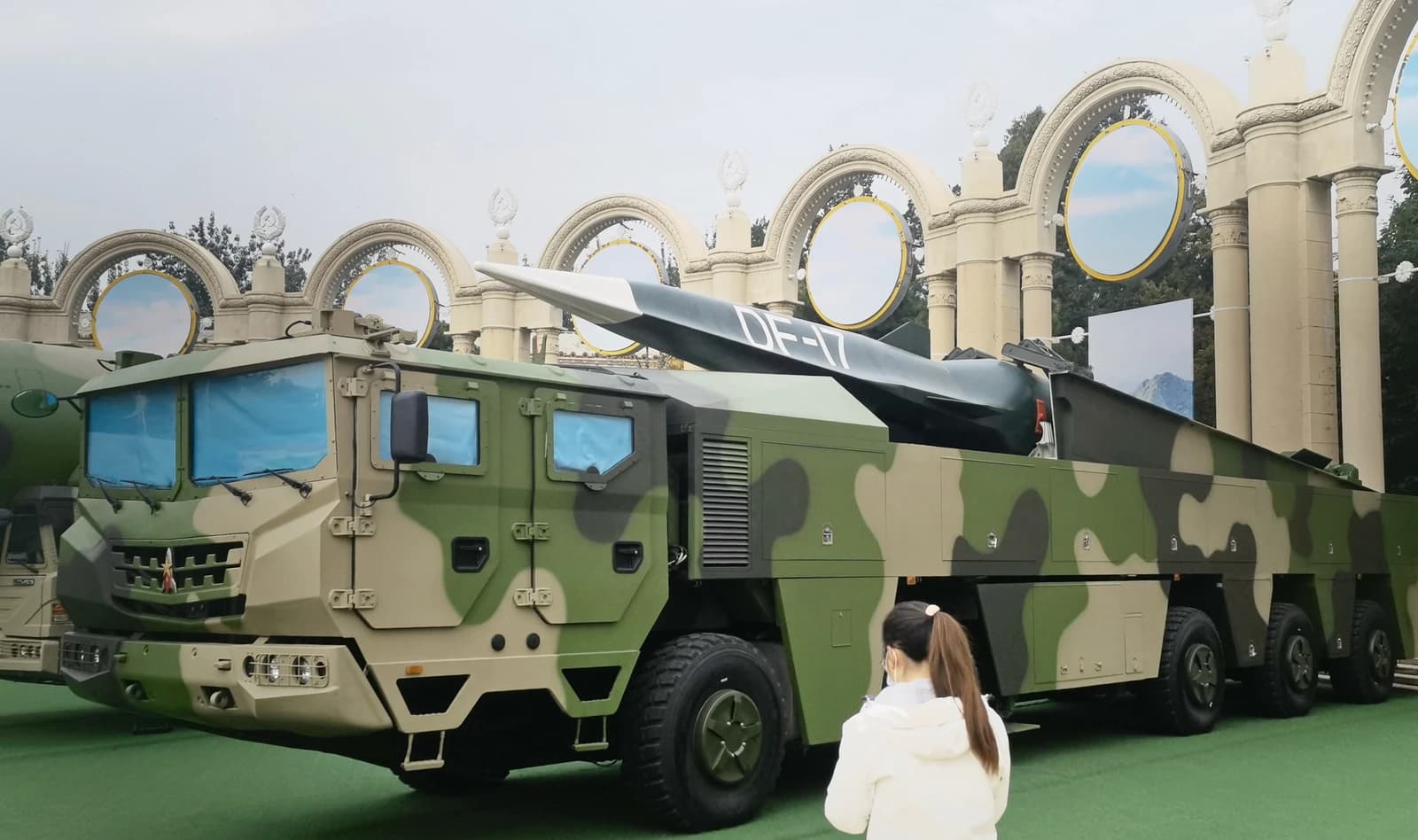
China is sharpening one of the most important parts of modern warfare: the ability to knock out the network around a battlefield before it can fight back. A new airburst munition fired from the PCL-191 multiple rocket launcher suggests Beijing is extending the reach and flexibility of its already long-range artillery, reinforcing a “missile revolution” that matters far beyond a training range in China.
That matters because the weapon is designed less to punch through bunkers than to suppress the people and machines that keep military systems running. In a Taiwan Strait conflict, that could include radar crews, communications vehicles, air-defense units, maintenance teams and supply elements — exactly the kind of soft targets that allow a defended position to keep operating. In other words, China is not just building more firepower; it is building firepower meant to disrupt an enemy’s ability to see, move and respond.
The PCL-191 is already a formidable platform. Publicly shown in 300 mm and 370 mm configurations, it is a mobile, modular system that can also carry tactical ballistic-type weapons. Open-source estimates put the smaller rockets at roughly 150 kilometers of range, the 370 mm weapons at about 280 to 350 kilometers, and the larger tactical missiles around 500 kilometers. The new airburst rounds widen the target set even further, giving the system a broader role in the opening phase of a conflict, when disabling support units can be more valuable than trying to smash every fortified structure outright.
For investors, the implication is straightforward: the world’s biggest military buildup is continuing to favor long-range missiles, rocket artillery and air-defense countermeasures. That is the sort of procurement environment that supports sustained demand for U.S. defense primes such as Lockheed Martin, RTX and Northrop Grumman, all of which remain central to missile defense, interceptors, sensors and command-and-control systems. RTX, in particular, has been booking large missile contracts, while Lockheed’s missile and fire-control business and Northrop’s defense systems work remain tied to this broader arms race.

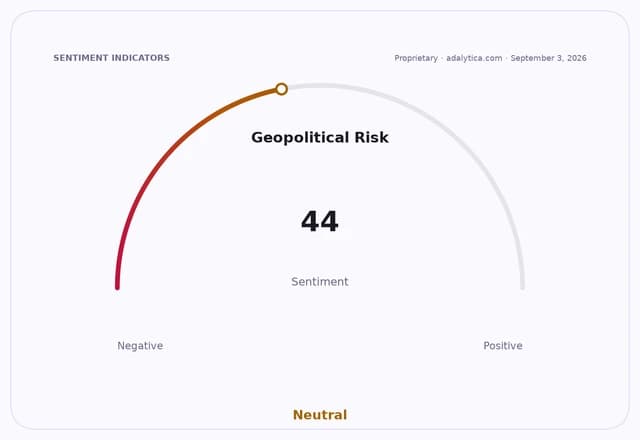
The recent share moves in those names also underline how sensitive the group remains to the defense cycle. Lockheed has pulled back sharply from its 2026 highs, while RTX and Northrop have also retreated from recent peaks, even as their long-term demand backdrop stays firm. That is a reminder for investors that defense stocks are not one-way trades; they are businesses whose earnings power is built over years, not weeks, and whose valuation can swing when sentiment cools.
The broader narrative is harder to miss: China is investing in weapons that make modern forces more fragile, not less. That favors countries and companies spending on resilience — missile defense, distributed command systems, interceptors, sensors and mobile platforms — and it raises the strategic premium on firms that can help allies survive the first hours of a high-end war. For long-term investors, that makes the defense sector worth watching, especially if you think geopolitical competition will keep driving multi-year procurement demand.
| Entity | Gains | Losses |
|---|---|---|
| China’s ground forces | ▲More flexible strike options | ▼Higher escalation risk |
| U.S. defense contractors | ▲Stronger missile-defense demand | ▼Valuation pressure on pullbacks |
| Taiwan and regional militaries | ▲Incentive to harden defenses | ▼Greater exposure to missile saturation |
| Adversaries with fixed defenses | ▲— | ▼Softer targets under pressure |