China’s latest pledge to maintain peace in the Asia-Pacific matters because it lands just as Washington is trimming military exercises with South Korea, keeping geopolitical risk in the region elevated without tipping markets into a full crisis.
China Peace Pledge, FXI, EEM Hold Firm
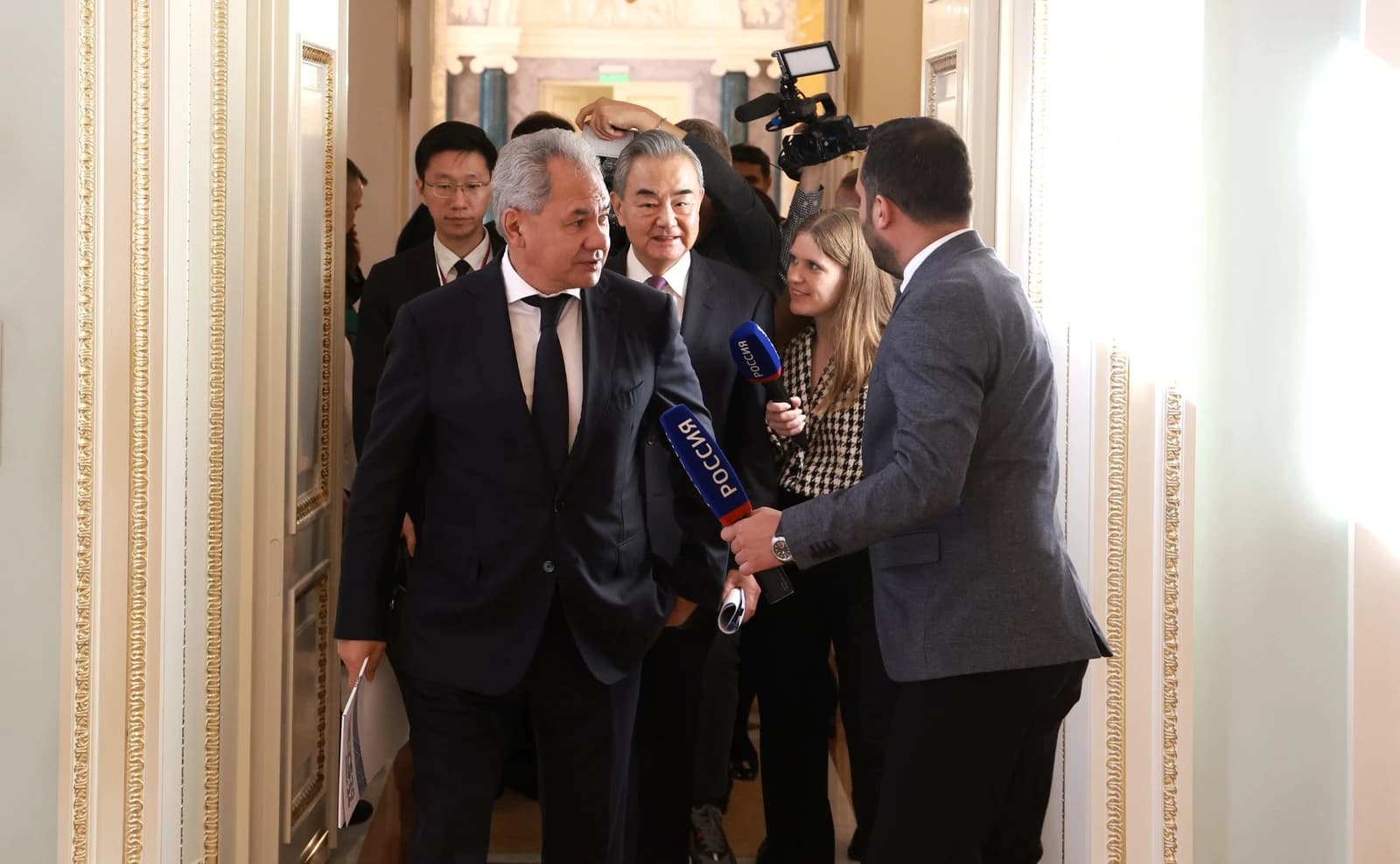
Beijing said it does not seek confrontation and wants other regional governments to play a positive role in preserving stability, after Philippine Defense Minister Gilberto Teodoro warned that China could use the reduced scope of US-South Korea drills to strengthen its position in the Indo-Pacific. The exchange is a reminder that the market’s real issue is not rhetoric alone, but the possibility that any pullback in US deterrence could encourage more assertive moves around the South China Sea, Taiwan Strait and wider Pacific theater.
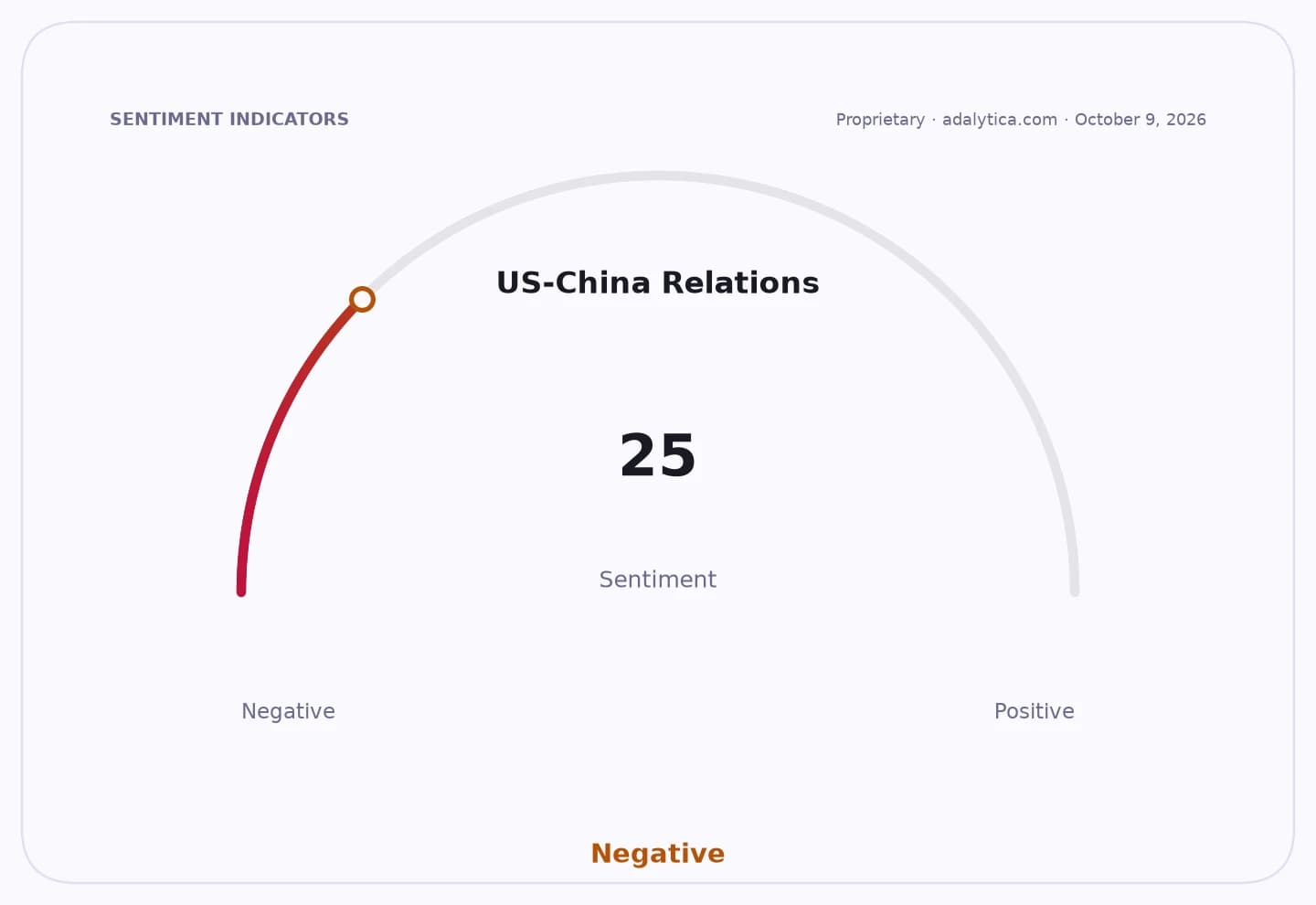
Sentiment IndicatorsⓘProprietary · adalytica.com · September 8, 2026
This is a snapshot — live sentiment, awareness and momentum for 130+ markets update continuously in the dashboard.Open AlphaPulse

That matters economically because Asia sits at the center of global trade, shipping and manufacturing. A steadier regional backdrop supports capital formation, cross-border supply chains and risk appetite across emerging Asia. A more fragile one raises the premium on defense spending, energy security, semiconductors, maritime logistics and currency hedging. In other words, investors are not just watching diplomacy — they are watching the cost of doing business in the world’s most important production corridor.
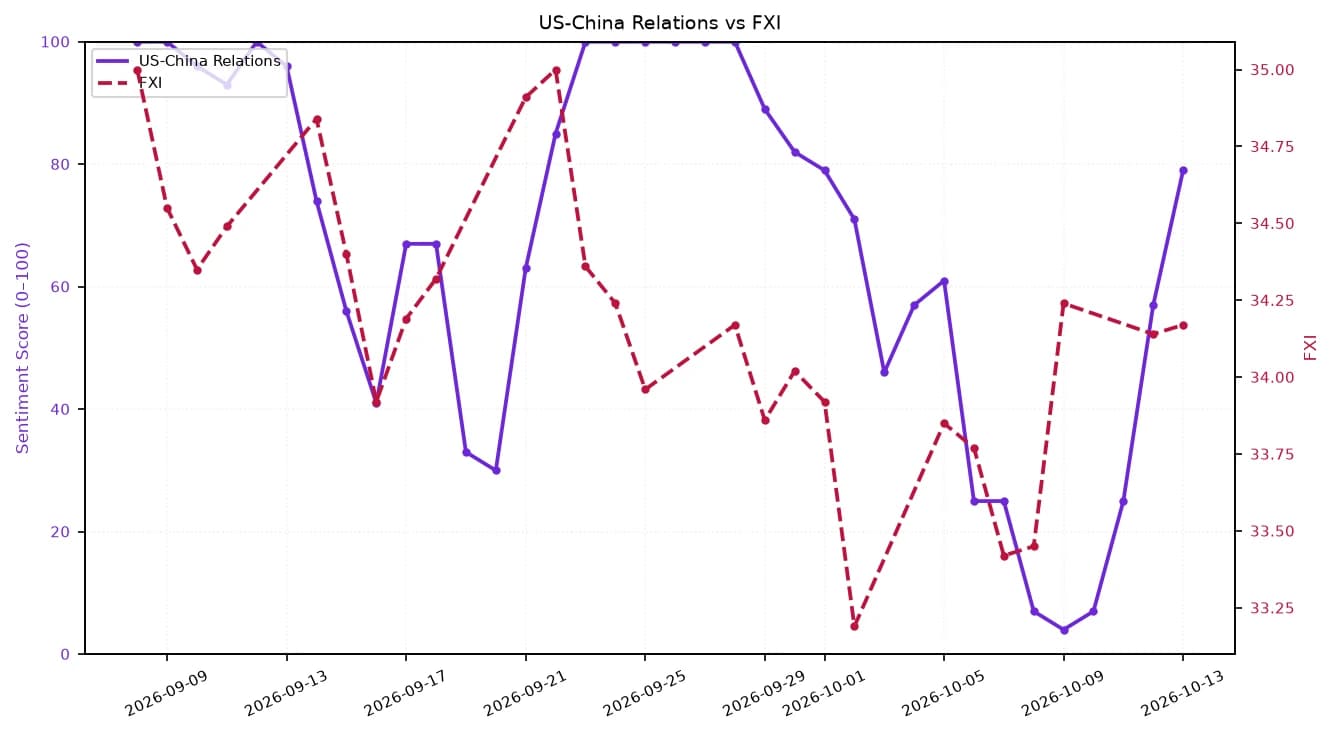
The market is treating that risk as manageable for now. The iShares China Large-Cap ETF, FXI, closed at 35.88, above both its 50-day and 200-day moving averages, with RSI readings in the low 60s and positive MACD momentum. The broader iShares MSCI Emerging Markets ETF, EEM, also held firm at 68.70, while the Vanguard FTSE Emerging Markets ETF, VWO, ended at 61.44. Those technical levels suggest investors are still willing to own Asia exposure even as headlines rotate back toward geopolitical tension rather than growth optimism.
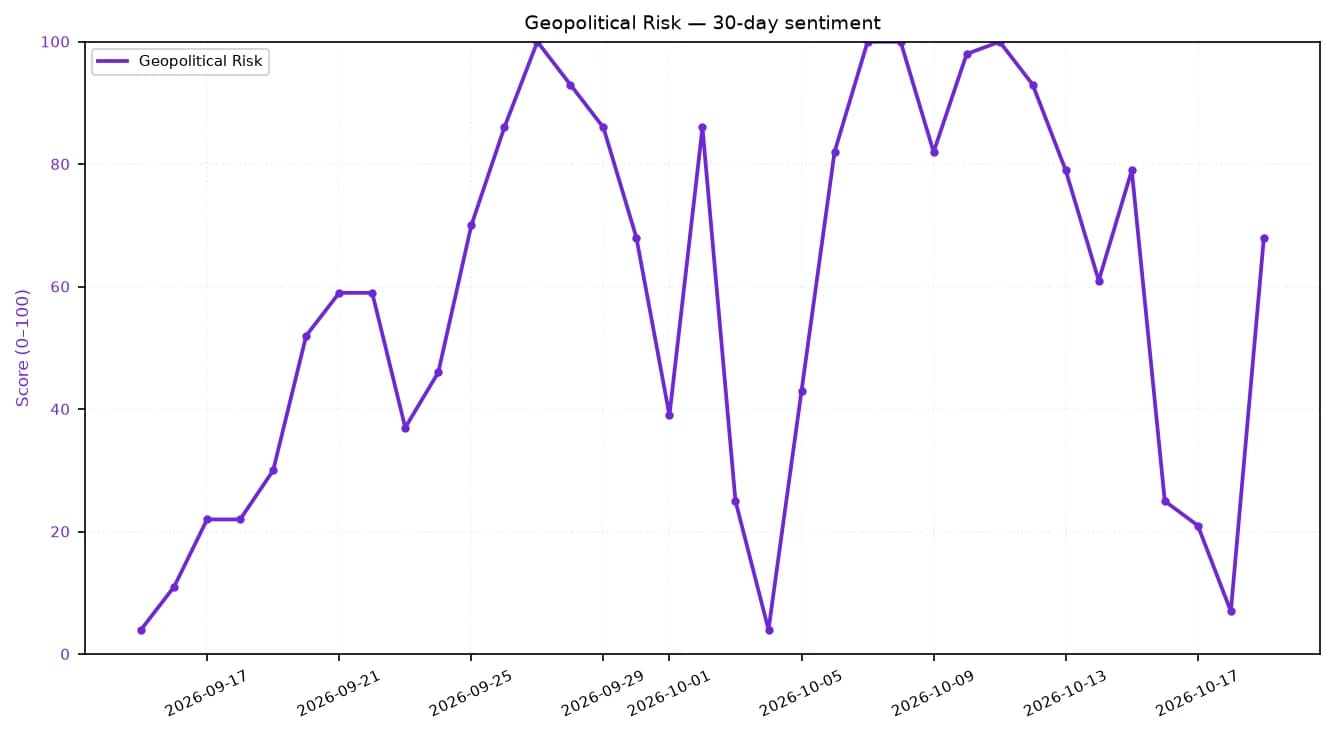
Geopolitical Risk vs FXIadalytica.com
Explore this data interactively — full history, time series and cross-market comparisons.Open AlphaPulse
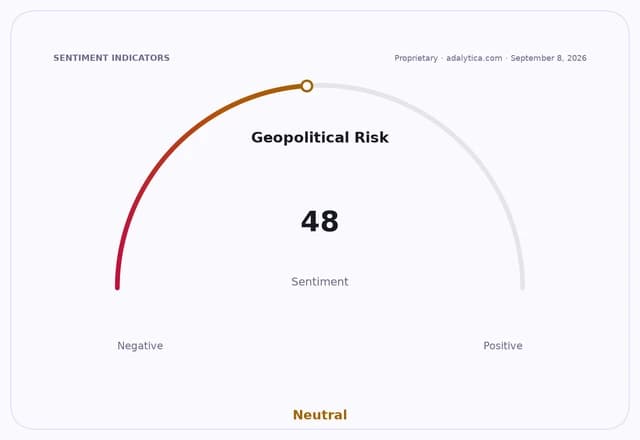
Adalytica’s Global Stability Sentiment gauge is neutral at 48, but awareness remains elevated at 78, underscoring that markets are alert even if they are not panicking. That combination usually favors selective positioning over broad de-risking: defense contractors, naval and surveillance suppliers, cybersecurity firms and energy-security plays tend to benefit from a more contested Asia-Pacific, while airlines, exporters and cyclical manufacturers can be pressured if rhetoric turns into real disruption.
My view is the market underestimates how persistent this regime is. Even when officials talk about peace, the investment backdrop is being shaped by military posture, alliance management and the slow weaponization of trade and technology. For investors, that means the best opportunity is not in chasing headline calm, but in owning the infrastructure and defense beneficiaries that profit from a world where stability has to be actively defended.
| Entity | Gains | Losses |
|---|---|---|
| Defense contractors | ▲Higher procurement demand | ▼Peace dividend |
| China diplomacy | ▲Lower immediate backlash | ▼Credibility if tensions rise |
| Asia ETFs | ▲Stable risk appetite | ▼Sharp geopolitical shocks |
| Shipping/importers | ▲Fewer disruption risks | ▼Higher insurance and hedging costs |