China Philippines Clash Over South China Sea Ruling
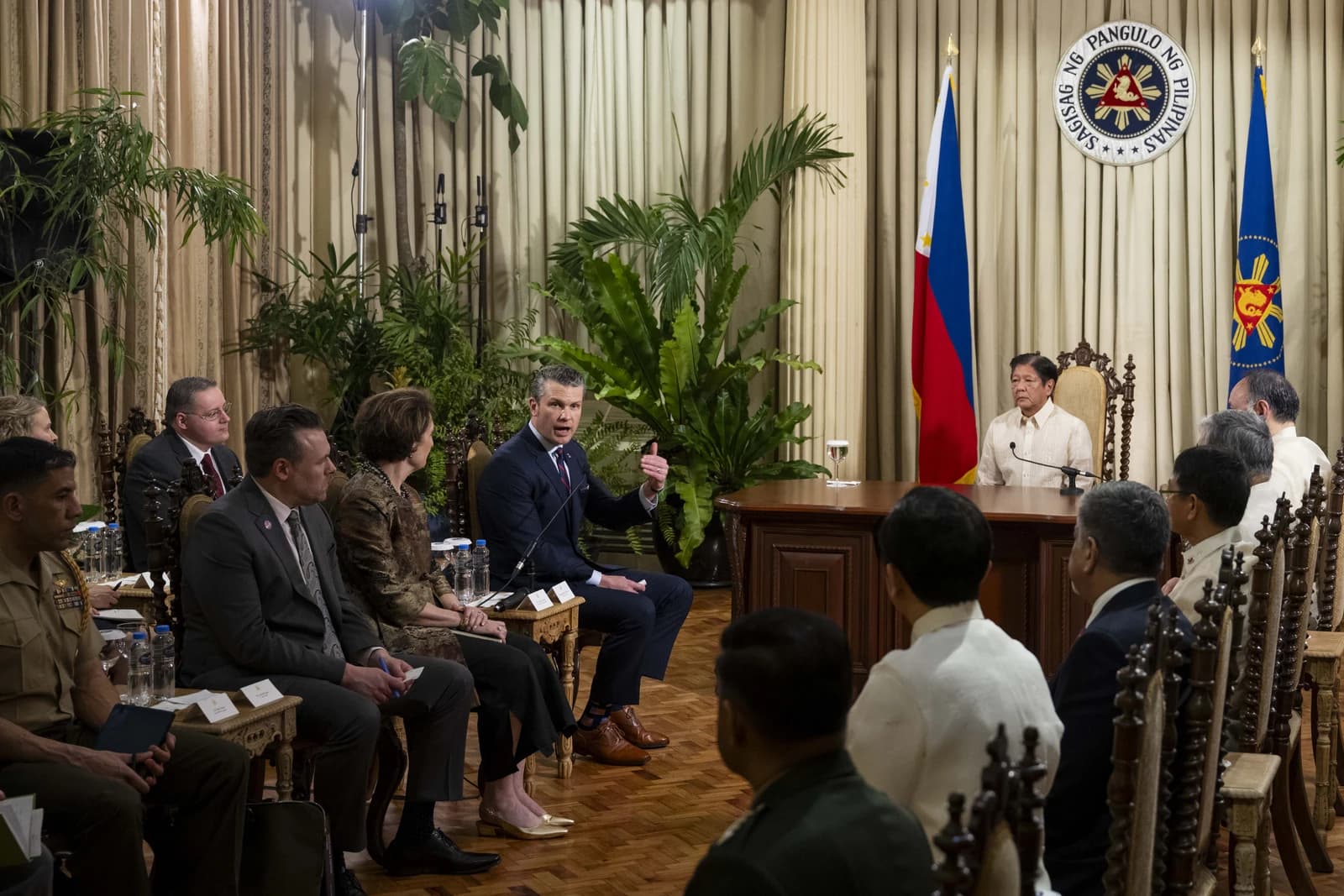
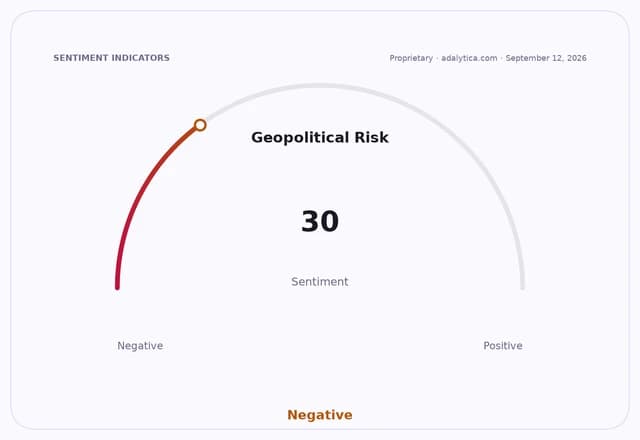
China has escalated its feud with the Philippines by publicly dressing down Defense Secretary Gilberto Teodoro Jr. after he mocked Beijing’s rejection of a 2016 South China Sea arbitration ruling at a defense forum in Seoul, keeping geopolitical risk elevated in a region central to trade routes and investor sentiment.
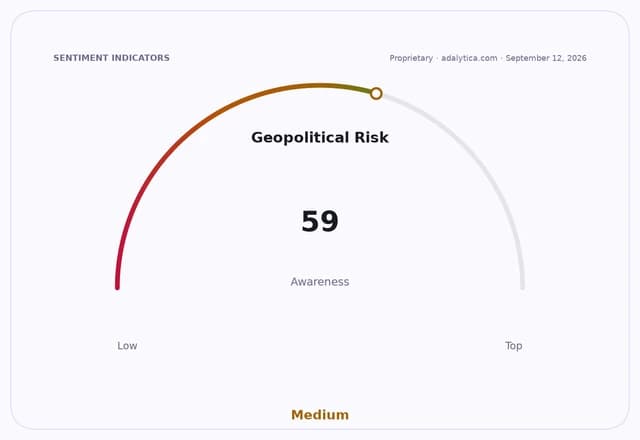
The exchange matters because the South China Sea remains one of Asia’s most combustible flashpoints, with the potential to disrupt shipping lanes, complicate defense ties and keep relations between Manila and Beijing under pressure. For investors, the latest war of words reinforces the risk premium around Philippine assets and broader China-related exposures even as markets often treat such standoffs as headline risk rather than an immediate economic shock.
Chinese Foreign Ministry spokesperson Mao Ning said the Philippines “unilaterally initiated” the arbitration case and urged Teodoro to stop “provocations and theatrics,” repeating Beijing’s long-standing view that the ruling is “illegal, null and void.” Her comments came a day after Teodoro read portions of a handwritten note from a Chinese defense official during the Seoul Defense Dialogue and replied, “Of course, because you lost.”
The note, delivered by the office of China’s defense attaché in Seoul, reiterated Beijing’s rejection of the tribunal ruling and added an element of public confrontation at a forum intended for regional security diplomacy. Teodoro also criticized the note as disrespectful to the organizers, underscoring how even multilateral venues are becoming stages for the dispute.
The latest clash comes after China sanctioned Teodoro and his family in June, barring them from entering mainland China, Hong Kong and Macau and forbidding Chinese entities from transacting with them. That step already signaled that Beijing is willing to personalize the dispute, not just argue over maritime boundaries.
With neither side showing signs of backing down, the risk is that the South China Sea dispute remains a persistent source of friction in China-Philippines ties, with potential spillover into defense cooperation, regional diplomacy and investor appetite for assets sensitive to Asia-Pacific stability.
| Entity | Gains | Losses |
|---|---|---|
| China | ▲Reasserts legal stance | ▼Looks more confrontational |
| Philippines | ▲Bolsters territorial case | ▼Faces sustained pressure |
| Teodoro | ▲Gains nationalist support | ▼Draws Beijing retaliation |
| Regional investors | ▲Monitor risk premium | ▼Face higher geopolitical uncertainty |