China Pinglu Canal Opens in Guangxi
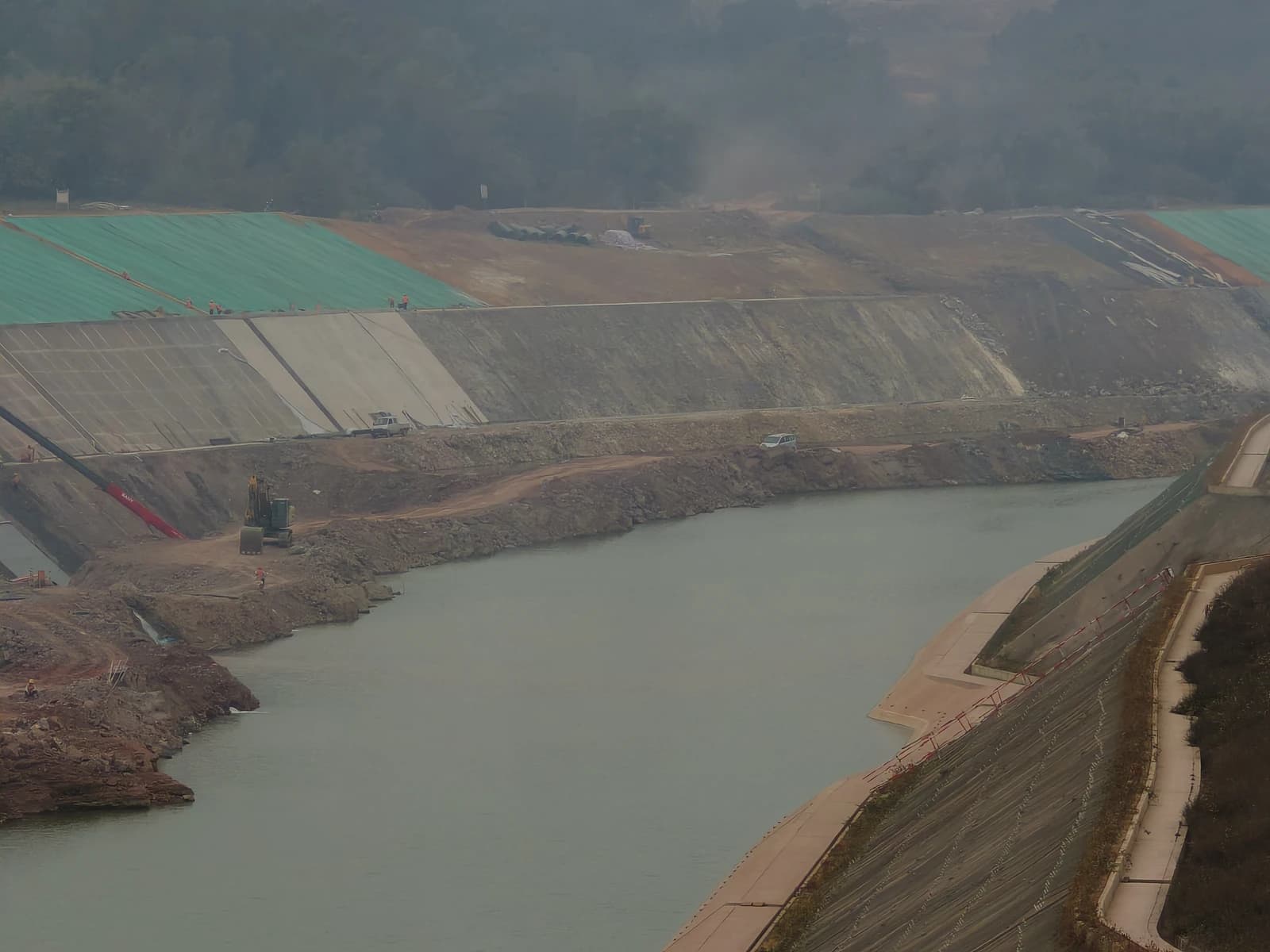
China has opened the 72.7 billion-yuan Pinglu canal in Guangxi, creating a faster and cheaper waterway to Southeast Asia that could reshape cargo flows from the country’s southwest and tighten commercial links with ASEAN.
The canal matters because it is not just a local infrastructure project: it is a trade logistics upgrade for inland provinces that have lagged China’s eastern export engines. By cutting more than 560 kilometers off the route to the sea, Beijing is lowering transport costs by an estimated 18% to 30% and generating more than 5 billion yuan a year in logistics savings, according to Xinhua. That should improve the competitiveness of bulk cargo from Sichuan, Chongqing and Yunnan, where shipping costs and distance have long acted as a drag on industrial output and external trade.
For China, the opening fits a broader effort to deepen trade ties with Southeast Asia at a time when supply chains are being redrawn and geopolitical frictions remain elevated. The new canal gives southern and southwestern producers a more direct corridor to the Gulf of Tonkin and, by extension, regional markets that have become increasingly important as China seeks to diversify export routes and preserve manufacturing momentum. Bulk goods such as coal, ore, grain, chemicals and agricultural products should benefit first, since those cargoes are most sensitive to freight costs.
The project also underscores how Beijing is using hard infrastructure to support growth in less-developed regions. Guangxi and the broader southwest have trailed the affluent east coast, and a cheaper outlet to the sea could help narrow some of that gap by lowering the friction costs of moving goods to market. The canal’s construction, which began in August 2022, relied mostly on widening and deepening existing waterways, limiting the need for entirely new excavation while still delivering a strategically significant transport link.
For investors, the immediate impact is likely to be felt more in logistics economics than in a direct market move. Cheaper inland shipping can support industrial activity, trade volumes and port throughput in southern China, while potentially pressuring alternative routes that now face a longer haul. Over time, the canal may also reinforce the case for infrastructure, shipping, rail and bulk commodity businesses tied to China-ASEAN trade, even as broader returns will depend on whether cargo volumes justify the scale of the investment.
The bigger question is whether the canal becomes a meaningful trade artery or simply another state-backed infrastructure emblem. If cargo volumes build as expected, it could strengthen China’s southern trade architecture at a moment when global trade routes are becoming more fragmented and politically sensitive.
| Entity | Gains | Losses |
|---|---|---|
| Guangxi and southwest China | ▲Lower freight costs | ▼Less logistical disadvantage |
| China-ASEAN trade | ▲Faster cargo access | ▼Longer existing routes |
| Bulk exporters | ▲Cheaper sea access | ▼Higher transport bottlenecks |
| Competing transport corridors | ▲Limited spillover from cheaper route | ▼Potential traffic diversion |