China Rare-Earth Export Controls Tighten
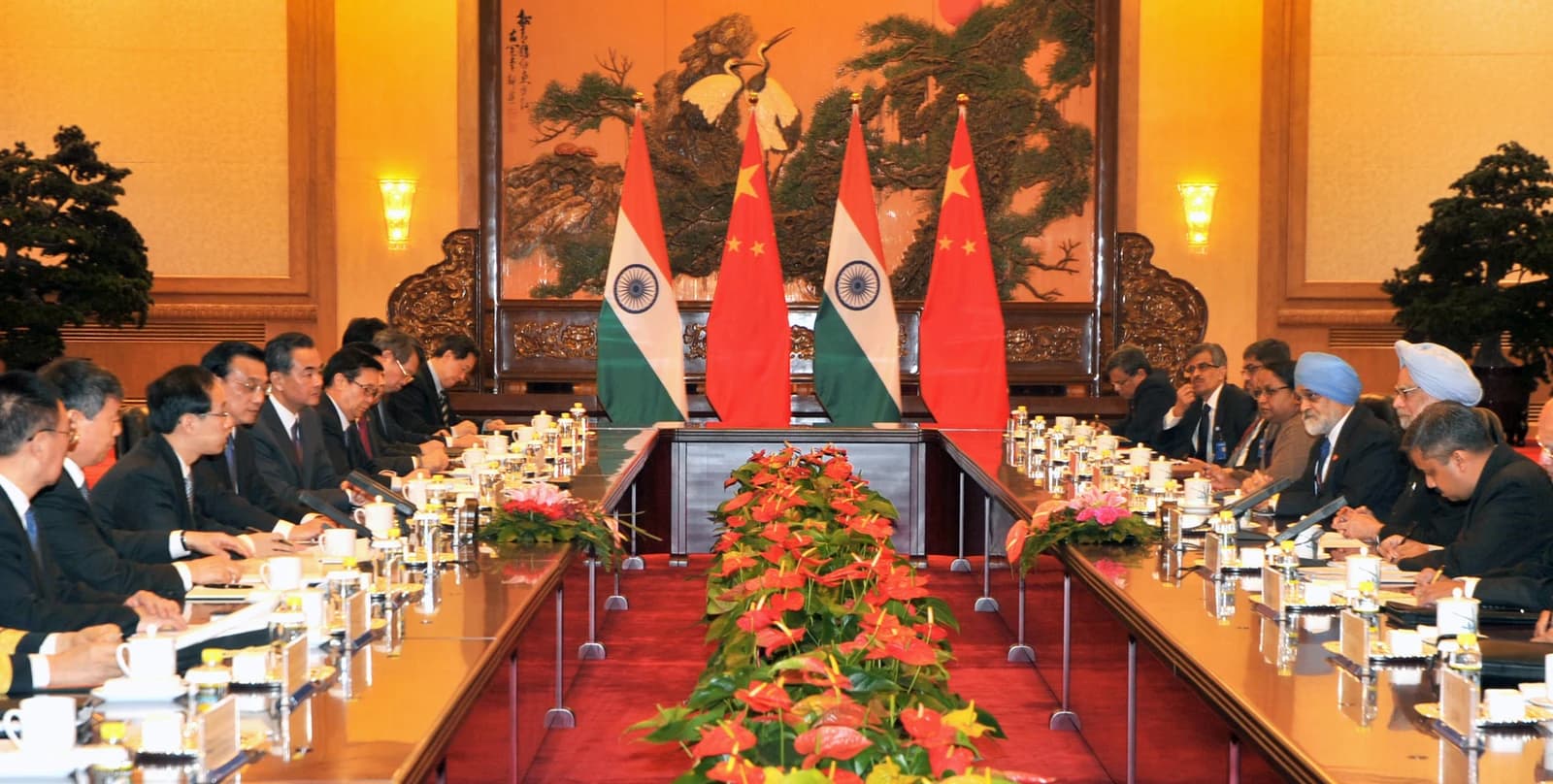
China is tightening control over rare-earth supplies with export rules and licensing requirements rather than a formal embargo, reinforcing Beijing’s leverage over a supply chain that matters to EVs, semiconductors, defense systems and magnets.
That distinction matters economically because rare earths sit at the center of high-value manufacturing, and China’s ability to slow, steer or condition exports can ripple through production schedules, inventories and pricing without triggering an outright shutdown. The message to global buyers is that access can still continue — but on Beijing’s terms.
The shift is showing up in corporate filings from MP Materials and peers, which have warned that China has expanded export controls on rare earths and related materials and now requires special licenses and approvals for products containing even small amounts of Chinese-origin material. For manufacturers, that raises compliance costs and supply-chain uncertainty even when physical supply is not cut off.
Investors are already pricing the geopolitical premium into the sector. MP Materials has been volatile, falling to $53.74 from $56.13 on Aug. 28 and $54.75 on Aug. 31, while REMX, the rare-earths ETF, slipped to $76.19 from $79.25 on Aug. 27. The pullback comes after sharp swings earlier this year, underscoring how sensitive the trade remains to Beijing’s policy posture.
The broader market backdrop is also less forgiving. The 10-year Treasury yield was at 4.75% on Aug. 31 and was seen edging higher, keeping pressure on valuation-sensitive industrial and materials names. At the same time, WTI crude hovered near $83.85 a barrel in the latest forecast, adding to the cost burden across the manufacturing chain.
Adalytica’s China CCP Policy Direction Sentiment gauge is in “Extreme Fear,” while its U.S.-China Relations reading has been volatile, reflecting how trade and security tensions are again moving to the front of investor attention. For markets, the key question is less whether China will ban rare-earth exports outright than how aggressively it will use permits, approvals and enforcement to ration supply.
That leaves Western miners, magnet makers and downstream users exposed to a policy tool that can tighten or loosen at will. The next catalysts are likely to be fresh licensing actions, any U.S. countermeasures and corporate updates on sourcing, inventory and margins.
| Entity | Gains | Losses |
|---|---|---|
| China | ▲More supply-chain leverage | ▼Greater trade friction |
| MP Materials | ▲Strategic relevance | ▼Export-control uncertainty |
| REMX holders | ▲Geopolitical hedge | ▼Price volatility |
| U.S. manufacturers | ▲Potential diversification push | ▼Higher input and compliance costs |