China visit may trigger relief rally
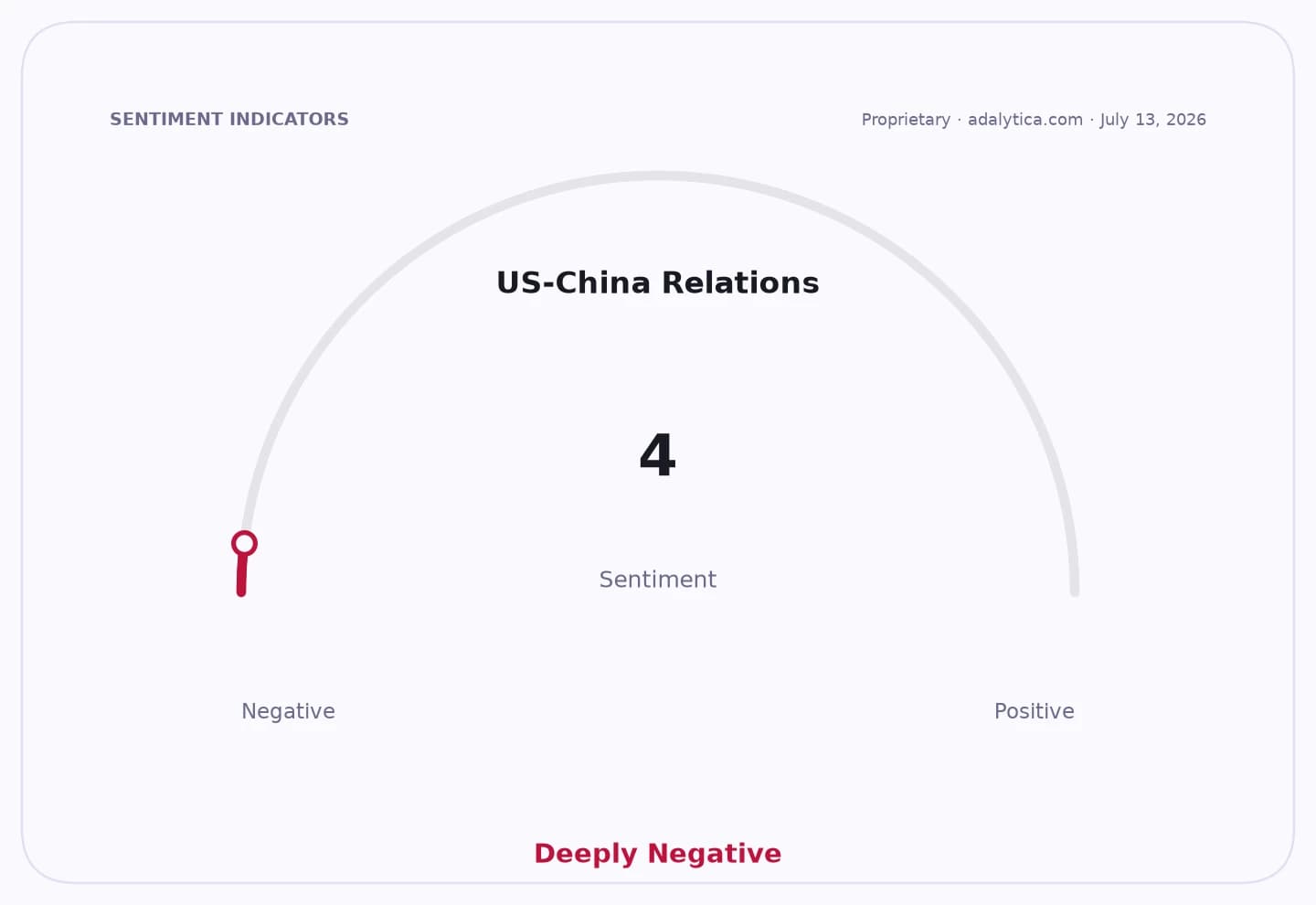
President returns from a state visit to China at a moment when markets are still pricing in less a breakthrough than a fragile pause in tensions, with Chinese equities and internet shares showing modest stability even as broader U.S.-China sentiment remains near extreme fear.
That matters because the trip is not just a diplomatic event; it is a read-through for trade flows, supply chains and the risk premium on China-linked assets. The latest market tape suggests investors are willing to buy selective relief, but not yet to reprice a durable detente. The China-focused FXI ETF closed around 33.48 on the latest session, still well below its 50-day average of 34.74 and 200-day average of 37.33, while KWEB ended near 26.38 versus a 50-day average of 26.94 and a 200-day average of 32.32. Both funds have recovered from recent lows, but they remain technically fragile, with momentum improving only from deeply oversold levels rather than from a confirmed trend reversal.
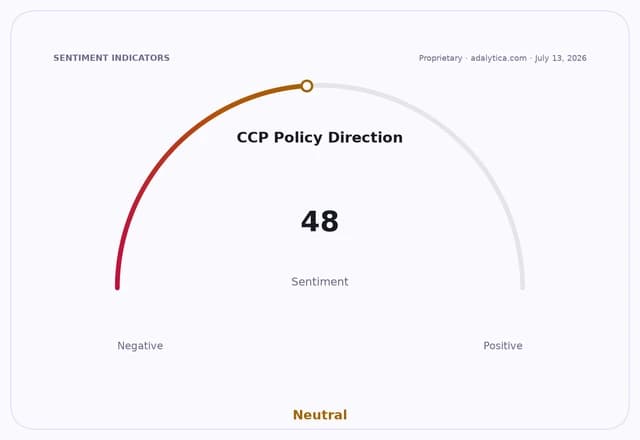
That split between headline optimism and market caution is the story investors need to watch. The U.S.-China Relations Sentiment gauge from Adalytica.com is at 4, marked “Extreme Fear,” even as awareness remains elevated at 96, indicating the issue is dominating the market conversation. The reading has fallen sharply over the past month, underscoring how quickly geopolitics can swing risk appetite for sectors tied to Chinese growth, tariffs and cross-border capital flows. By contrast, the China CCP Policy Direction sentiment has edged back to neutral, suggesting investors are waiting to see whether Beijing responds with stimulus or with a more defensive policy posture after the visit.
The market reaction so far implies a narrow bull case: any sign of tariff easing, clearer export rules or reduced diplomatic confrontation could support a relief rally in Chinese equities, especially in internet and consumer internet names. Alibaba illustrates the asymmetry. The stock closed at 112.33, far below its 200-day average of 144.41, but above the recent July lows, leaving room for a sharp rebound if policy risk recedes and earnings expectations stabilize. A softer geopolitical backdrop would also help multinational supply chains and exporters in Asia, which have been forced to hedge around trade disruption rather than plan for sustained demand.
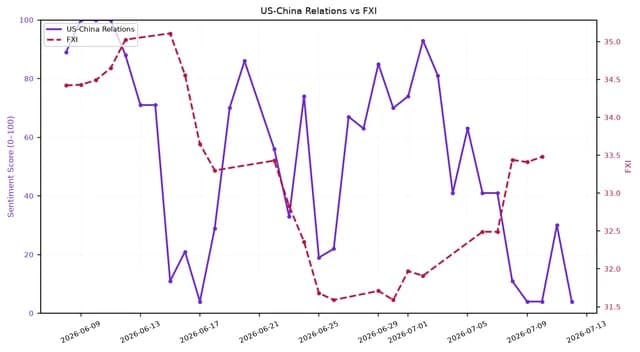
The bear case is equally clear. Recent price action shows that investors are still discounting a structurally higher risk premium for China exposure. FXI and KWEB have both suffered repeated swings around the mid-30s and mid-20s, respectively, with momentum indicators improving but not enough to overcome the longer-term downtrend. That suggests the market sees negotiations as tactical, not transformational. European and Asian trade frictions with China, including the EU’s tougher stance and South Korea’s antitrust scrutiny of Chinese container makers, reinforce the view that the pressure is broader than one bilateral relationship.
For investors, the key implication is that any policy readout from the visit may move Chinese ADRs, offshore internet names and trade-sensitive Asian exporters more than the mainland macro picture itself. A credible de-escalation could trigger short covering and a rotation into beaten-down China proxies. But absent concrete follow-through, the default stance remains defensive: rallies are likely to meet selling until markets see evidence that diplomacy is translating into better trade visibility, easier policy and lower geopolitical risk.
| Entity | Gains | Losses |
|---|---|---|
| Chinese equities / FXI | ▲Relief rally potential | ▼Policy-risk discount |
| Internet stocks / KWEB | ▲Short-covering and sentiment lift | ▼Deeper valuation compression |
| Alibaba and peers | ▲Better earnings multiple | ▼Trade and regulatory overhang |
| U.S. / EU importers | ▲Lower supply-chain risk | ▼Fewer protection gains |