China revokes licences for three Indian rice exporters
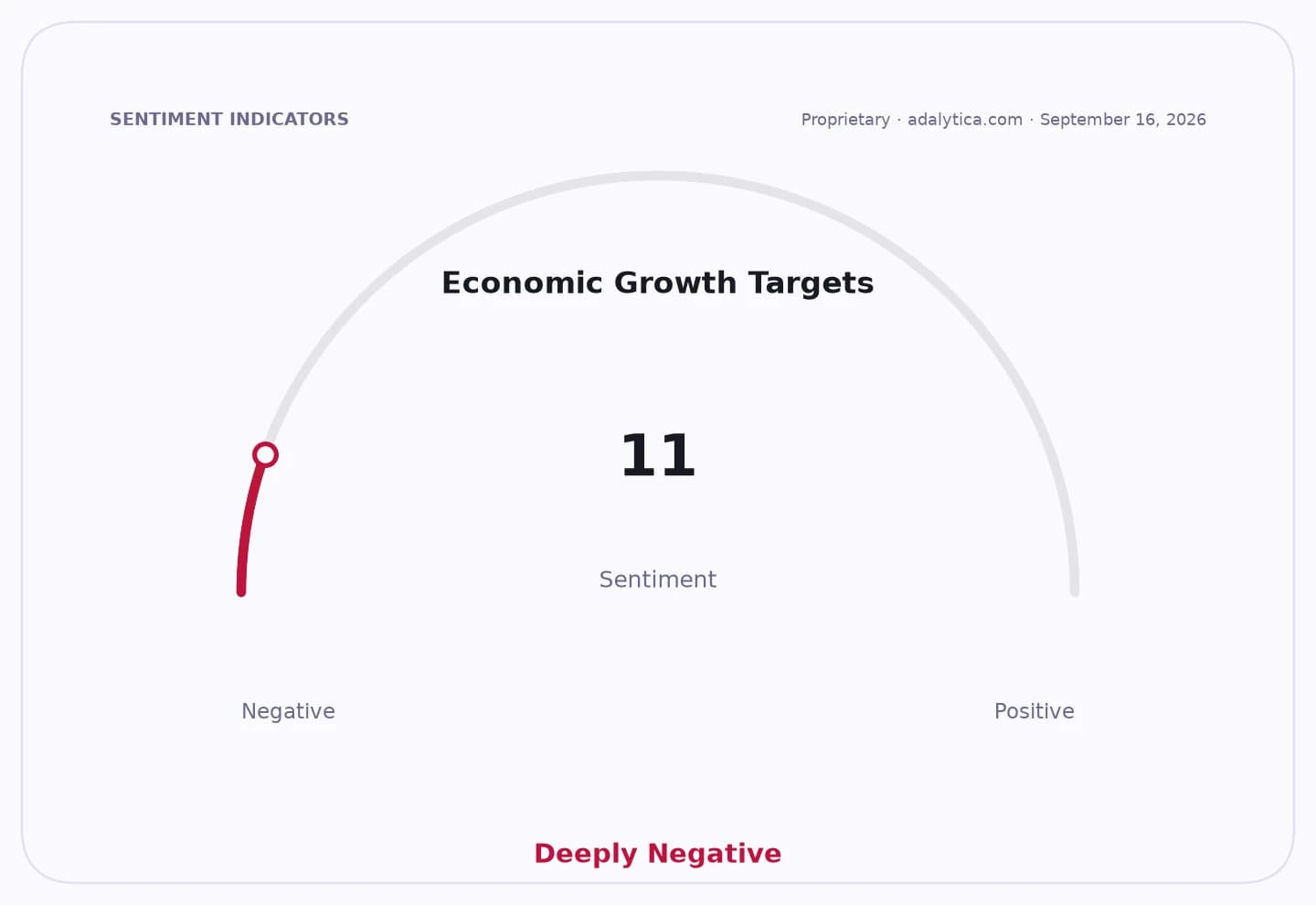
China has revoked the licences of three more Indian rice exporters, escalating a trade dispute that is squeezing a fast-growing non-basmati rice channel and raising questions over whether Beijing is using food safety rules as a non-tariff barrier.
The latest revocations hit Kakinada-based Sarala Foods and Pattabhi Agro Foods in Andhra Pradesh, along with New Delhi-based Om India Trading, taking the total number of Indian exporters whose registrations have been withdrawn to 10. For traders, the immediate economic effect is not just lost access to China, but the high cost of rejected cargoes being shipped back to India — a penalty that can run to $2,500 to $4,500 a container, far above the roughly $250 cost of sending it out.
Indian exporters and trade associations say the crackdown is hard to reconcile with domestic testing, which they say found no genetically modified organisms in returned shipments. They argue the issue has become a de facto ban rather than a technical compliance matter. Beijing’s customs authorities, however, have said the rice shipments “did not conform to specifications,” a formulation that leaves room for a wide interpretation and little recourse for sellers.
The dispute matters because it hits a segment where India has been expanding volumes. According to the Agricultural and Processed Food Products Export Development Authority, India exported 2.07 lakh tonnes of non-basmati rice in 2025, and shipments more than doubled to 4.92 lakh tonnes in January-June this year. China has rejected at least 70 Indian non-basmati rice consignments by the end of May, according to trade sources, with most of the refused cargoes consisting of broken rice — a low-cost product that competes directly with ageing stocks in China’s reserves.
That makes the issue more than a bilateral irritant. Broken rice is a price-sensitive commodity, so when China closes one outlet, the shock is quickly transmitted into regional pricing, freight economics and margins for Indian exporters. It also potentially redirects trade flows toward competing suppliers such as Pakistan, which traders say is already benefiting from higher prices and volumes. If the curbs persist, Indian sellers may have to absorb lower realizations, reroute cargoes to less lucrative markets, or take a hit from logistics losses and tied-up working capital.
The policy backdrop is equally important. Indian officials have said no GM crop is grown in the country, including paddy, and exporters say pre-shipment checks by China’s own Indian arm did not flag any GMO contamination. That has deepened suspicion that the issue is being used to cap imports rather than police quality. Former USDA official Fred Gales said China’s rejections of food shipments from countries that do not grow GM crops have created “consternation and puzzlement,” and noted that Beijing had rejected 146 shipments in the first half of 2026 across several commodities.
For investors, the immediate read-through is mixed. Pure-play rice exporters face weaker export visibility, higher reverse-logistics costs and possible order diversion, all of which can pressure earnings if the Chinese market remains shut. Larger branded rice companies with diversified geographies may be better insulated, but even they face the risk of lower industry pricing if excess supply gets redirected back into other export markets.
The wider macro signal is that trade relations between the world’s two most populous countries remain vulnerable to regulatory friction, especially in food and agriculture where technical standards can be weaponised quickly. Chinese demand for cheaper broken rice, alongside its effort to run down reserves, appears to be colliding with India’s rising export push. Unless the issue is resolved diplomatically, the risk is that the row becomes a longer-running template for non-tariff barriers in other farm goods.
| Entity | Gains | Losses |
|---|---|---|
| China/Pakistan | ▲Cheaper supply leverage | ▼Trade credibility |
| Indian rice exporters | ▲Alternative markets | ▼China access, margins |
| Pakistani exporters | ▲Higher demand, pricing power | ▼None material |
| Indian farmers/processors | ▲Rerouting opportunities | ▼Logistics costs, shipment losses |