China-Russia Arctic Trade Route Focus
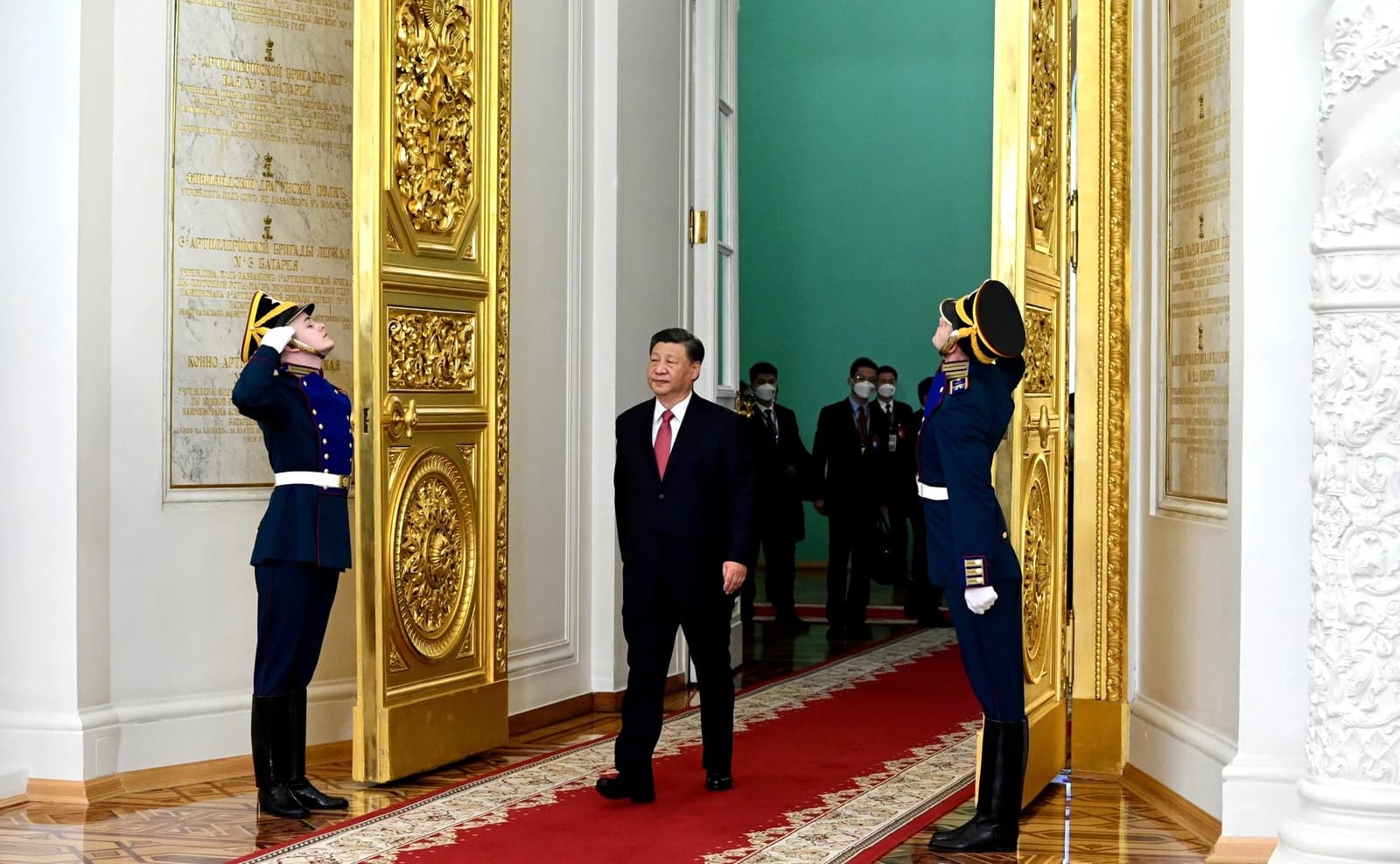
A tighter China-Russia partnership in the Arctic is rippling through energy and defense markets, lifting oil prices and sharpening investor focus on a route that could weaken Western leverage over trade, shipping and sanctions enforcement.
The economic significance is immediate: the prospect of a “Polar Silk Road” points to a longer-term redirection of cargo flows and energy exports away from traditional chokepoints, with implications for freight, insurance, commodity pricing and strategic infrastructure investment. It also increases the premium investors assign to geopolitical disruption, already visible in the way crude and safe-haven positioning have moved alongside global instability gauges.
Oil has firmed to about $87.05 a barrel in the latest forecast, after trading at $84.77 on Aug. 11, extending a rebound from early August’s $79.77 low. That matters because the Arctic is not just a symbolic theater. A more active northern corridor could eventually give Moscow and Beijing additional flexibility around sanctions, maritime access and seasonal shipping, while also raising the cost of policing and defending the region for the U.S. and its allies.
The market reaction has been strongest in integrated energy names and tanker-linked stocks. Exxon Mobil rose to $161.46 on Aug. 17 from $150.65 on Aug. 5, while Chevron climbed to $202.70 from $186.41 over the same period. Nordic American Tankers, a proxy for crude shipping sensitivity, advanced to $6.82 from $6.13. The moves suggest traders are rewarding companies with direct exposure to higher oil prices and maritime risk, while also pricing in the possibility that disruption premiums stay elevated.
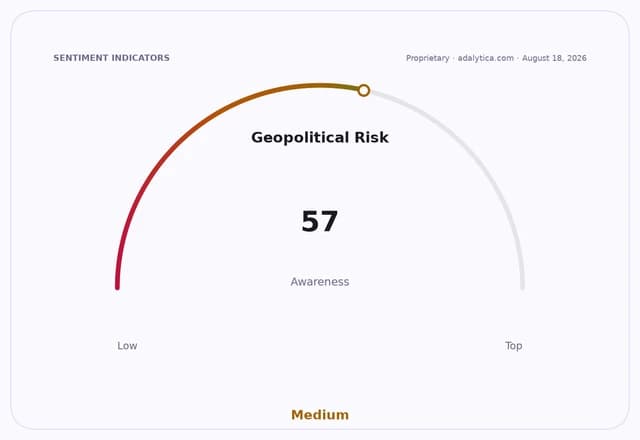
That fits a broader macro backdrop of jittery geopolitical sentiment. Adalytica’s Global Stability Sentiment gauge sits at 4.0, labeled “Extreme Fear,” while its U.S. dollar trade signal also reads “Extreme Fear,” indicating investors are still treating geopolitical shock as a macro variable rather than a regional headline. A weaker risk backdrop can support energy, defense and shipping assets, but it also raises the probability of policy responses that complicate cross-border trade.
For investors, the key question is whether the Arctic alliance remains largely rhetorical or becomes operational. If it turns into sustained logistics investment, energy shipping links and dual-use infrastructure, beneficiaries would include oil exporters, tanker operators, defense contractors and Arctic-related infrastructure suppliers. Losers would include importers exposed to higher transport costs, Western shippers facing sanctions risk, and economies dependent on stable maritime trade routes.
The story is less about one voyage north than about a structural contest over who controls future trade arteries. If China and Russia can make the Polar Silk Road more than a slogan, investors will need to think not only about barrels and freight rates, but also about a slower-moving reordering of strategic geography.
| Entity | Gains | Losses |
|---|---|---|
| Russia and China | ▲More trade leverage | ▼Less Western dependence |
| Oil exporters and tanker operators | ▲Higher prices and freight rates | ▼Lower-margin importers |
| Western governments | ▲Security urgency | ▼Sanctions and route control |
| Arctic infrastructure builders | ▲New investment demand | ▼Traditional shipping hubs |