China Russia Trade Cooperation Expands
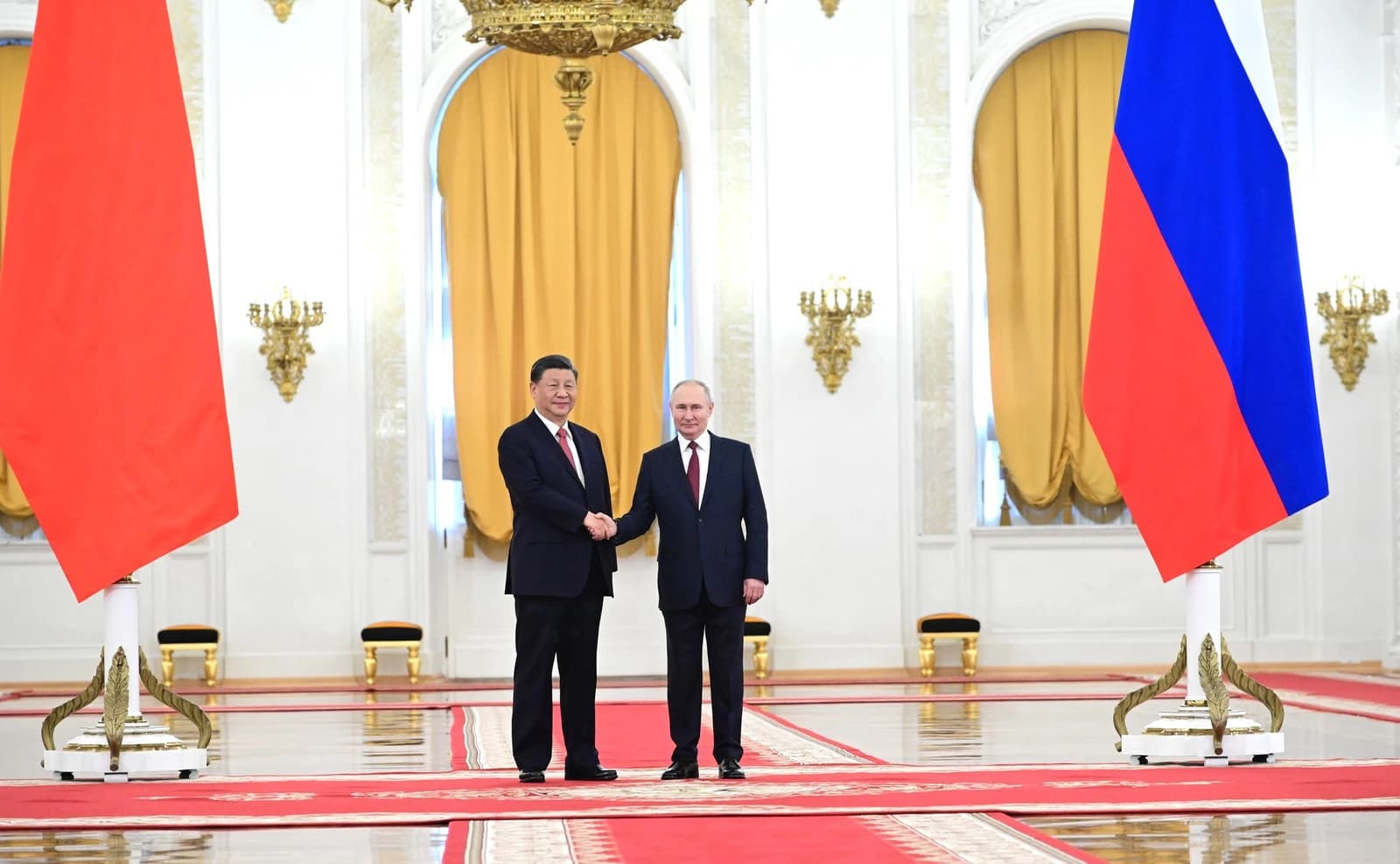
China’s top economic policymaker for the state council says cooperation with Russia is “bearing fruit,” underscoring a geopolitical and commercial relationship that is becoming more entrenched just as the West tries to squeeze Moscow’s trade lifelines.
The most important point for markets is not the diplomatic language itself, but what it confirms: China remains Russia’s crucial economic counterweight, and the two countries are now treating their partnership as a durable trade and regional-growth axis rather than a temporary wartime arrangement. The vice premier said China is already Russia’s largest trading partner in the Far East, and he signaled Beijing’s readiness to implement the leaders’ agreements more fully and deepen regional cooperation.
That matters because cross-border trade between the two powers has become one of the main escape valves from Western pressure on Russia. A relationship that keeps goods, energy, industrial inputs and logistics flowing helps Russia blunt sanctions over time, while giving China leverage over pricing, supply chains and regional influence. For Beijing, the payoff is strategic as well as economic: access to commodities, a larger role in the Russian border economy and a stronger foothold across Eurasia.
Investors should read this as another reminder that sanctions have not severed the Russia-China commercial link — they have redirected it. That keeps demand alive for exporters, transport providers, ports, rail networks and industrial suppliers tied to Eurasian trade routes, while reinforcing the case for energy and infrastructure assets that benefit from rerouted commodity flows. It also raises the geopolitical premium on defense, cybersecurity and commodity hedges, because a more coordinated Russia-China posture complicates Western policy and can keep risk assets sensitive to escalation headlines.
The China equity proxy FXI has reflected that tug-of-war rather than a clean trend, with the fund recently trading around $35 after moving between its 50-day and 200-day moving averages over the past year. That kind of choppy price action fits a market that has not fully priced in either the upside from policy support and external trade links or the downside from a prolonged strategic split with Washington.
The larger narrative is straightforward: Russia is not being isolated economically, and China is making that clear in public. If the partnership keeps expanding at the border and across industrial supply chains, the market will keep rewarding the companies and sectors that sit on the toll roads of Eurasian trade — and punishing anyone still assuming sanctions alone can force the relationship back into retreat.
| Entity | Gains | Losses |
|---|---|---|
| Russia | ▲Trade lifeline | ▼Sanctions pressure |
| China | ▲Regional leverage | ▼Western scrutiny |
| Eurasian logistics | ▲Higher throughput | ▼Trade diversion risk |
| Western policymakers | ▲Limited leverage | ▼Strategic influence |