China Urges SCO to Shape Global Governance
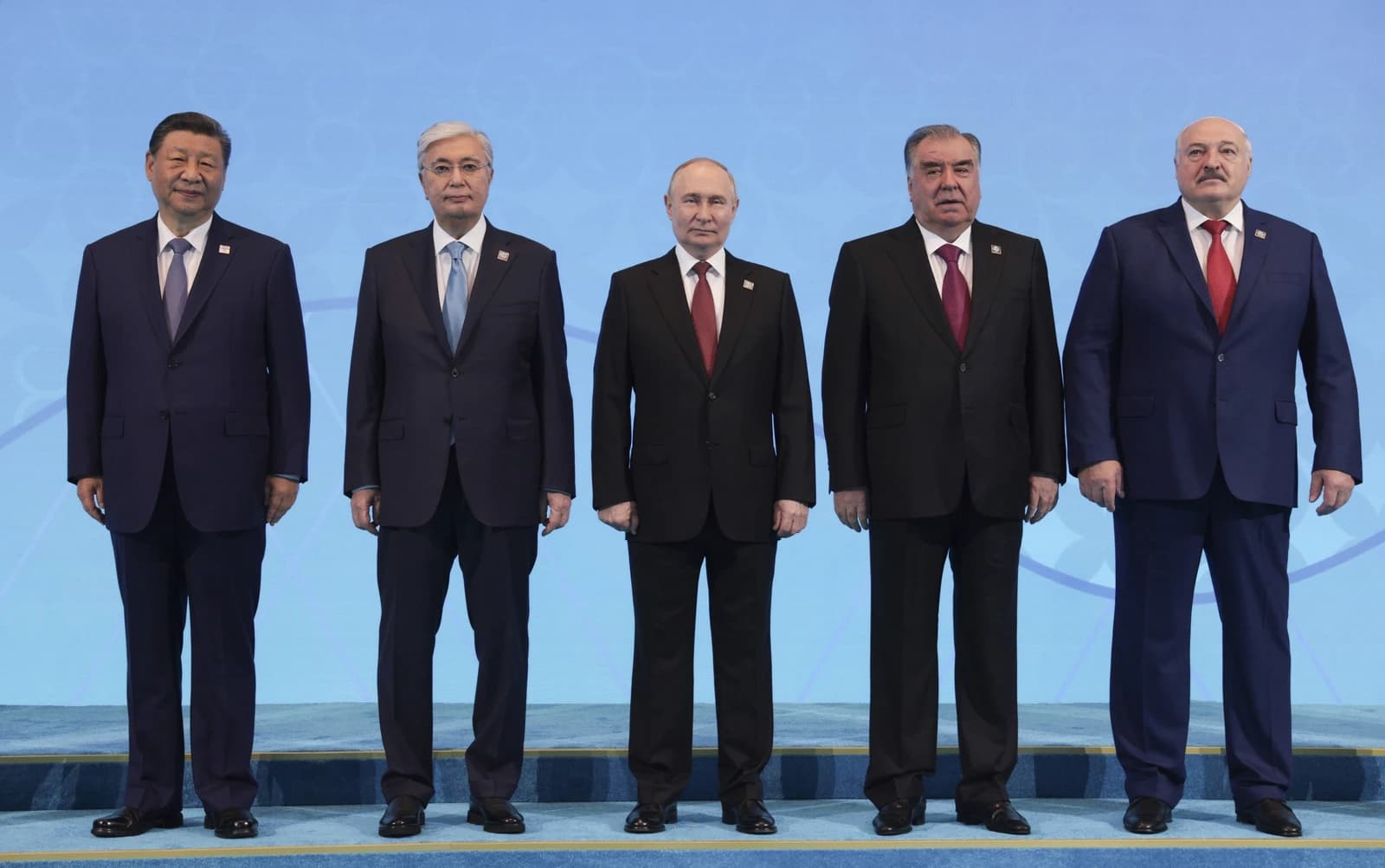
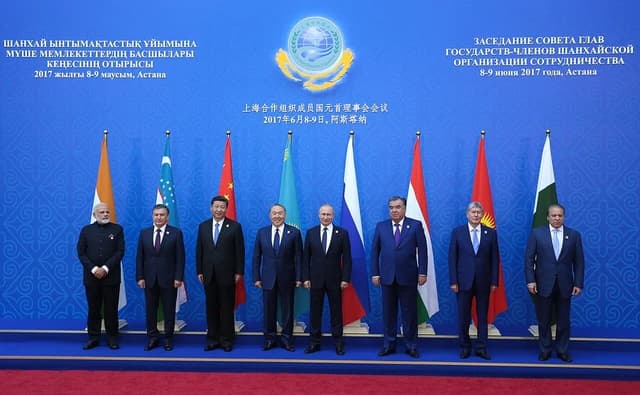
China urged the Shanghai Cooperation Organization to take a more active role in shaping a global governance system, a diplomatic push that underscores Beijing’s effort to build a broader non-Western coalition just as relations with the United States remain highly strained.
The appeal matters because it goes beyond rhetoric. China is using the SCO — a bloc that includes Russia, India, Pakistan and several Central Asian states — as a platform to institutionalize influence in Eurasia and to frame an alternative to U.S.-led security and economic arrangements. That has implications for trade routes, energy ties, payments systems and diplomatic alignment at a time when the global order is already under pressure from war, sanctions and supply-chain fragmentation.
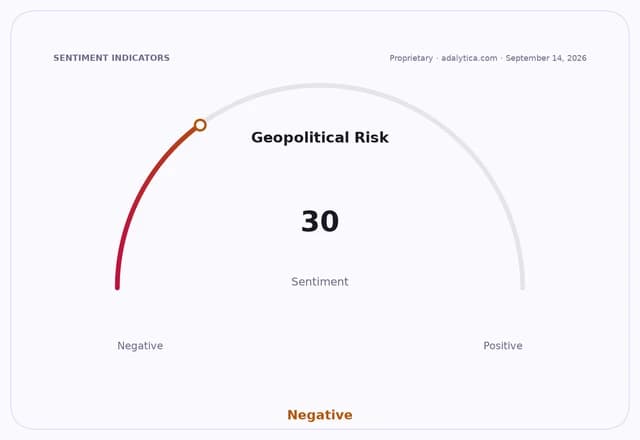
Markets have started to price a more contested geopolitical backdrop. Adalytica’s US–China Relations Sentiment gauge sits at 96, in “Extreme Greed,” reflecting intense attention to the relationship even as awareness remains in “Fear” territory. Its Global Stability Sentiment gauge is at 30, also in “Fear,” and has dropped 42 points over the past month, a sign that investors remain sensitive to geopolitical shocks even when risk assets can appear complacent on the surface.
For investors, the significance lies in the direction of policy architecture rather than one-off headlines. A more assertive SCO could eventually support deeper regional trade settlement, infrastructure financing and security coordination outside Western institutions. That would be constructive for Chinese strategic assets over the long run, but it also raises the risk of a more fragmented global system, which can weigh on multinational earnings visibility, raise transaction costs and complicate capital allocation.
The market reaction in Chinese equities has been more restrained, suggesting investors are treating the diplomatic message as medium-term rather than immediately tradable. The iShares China Large-Cap ETF, FXI, was little changed around $34.49 on Sept. 11, still below its 200-day moving average of about $36.40. The iShares MSCI China ETF, MCHI, closed at $52.96, also under its 200-day average near $57.17. Both funds have softened in recent sessions, with RSI readings near 31 for FXI and 25 for MCHI, indicating oversold conditions but not yet a clear reversal.
That leaves the story with two competing market readings. The bull case is that China is steadily widening its diplomatic and commercial reach, and any institutionalization of SCO cooperation could eventually support Chinese exporters, regional infrastructure names and commodity flows tied to Eurasian development. The bear case is that a more explicitly bloc-based governance model accelerates decoupling, keeps risk premiums elevated and leaves China-facing assets vulnerable to renewed policy and trade friction.
What to watch next is whether Beijing turns this SCO language into concrete proposals on payments, energy coordination, or cross-border development financing. If it does, the message would move from symbolic diplomacy to a more tangible challenge to the existing global economic order.
| Entity | Gains | Losses |
|---|---|---|
| China / SCO members | ▲Greater regional influence | ▼Higher geopolitical friction |
| Chinese exporters | ▲Broader Eurasian access | ▼More sanctions risk |
| U.S.-aligned institutions | ▲— | ▼Influence diluted |
| FXI / MCHI holders | ▲Potential policy support | ▼Persistent valuation pressure |