China Services PMI Rises to 51.4 in August
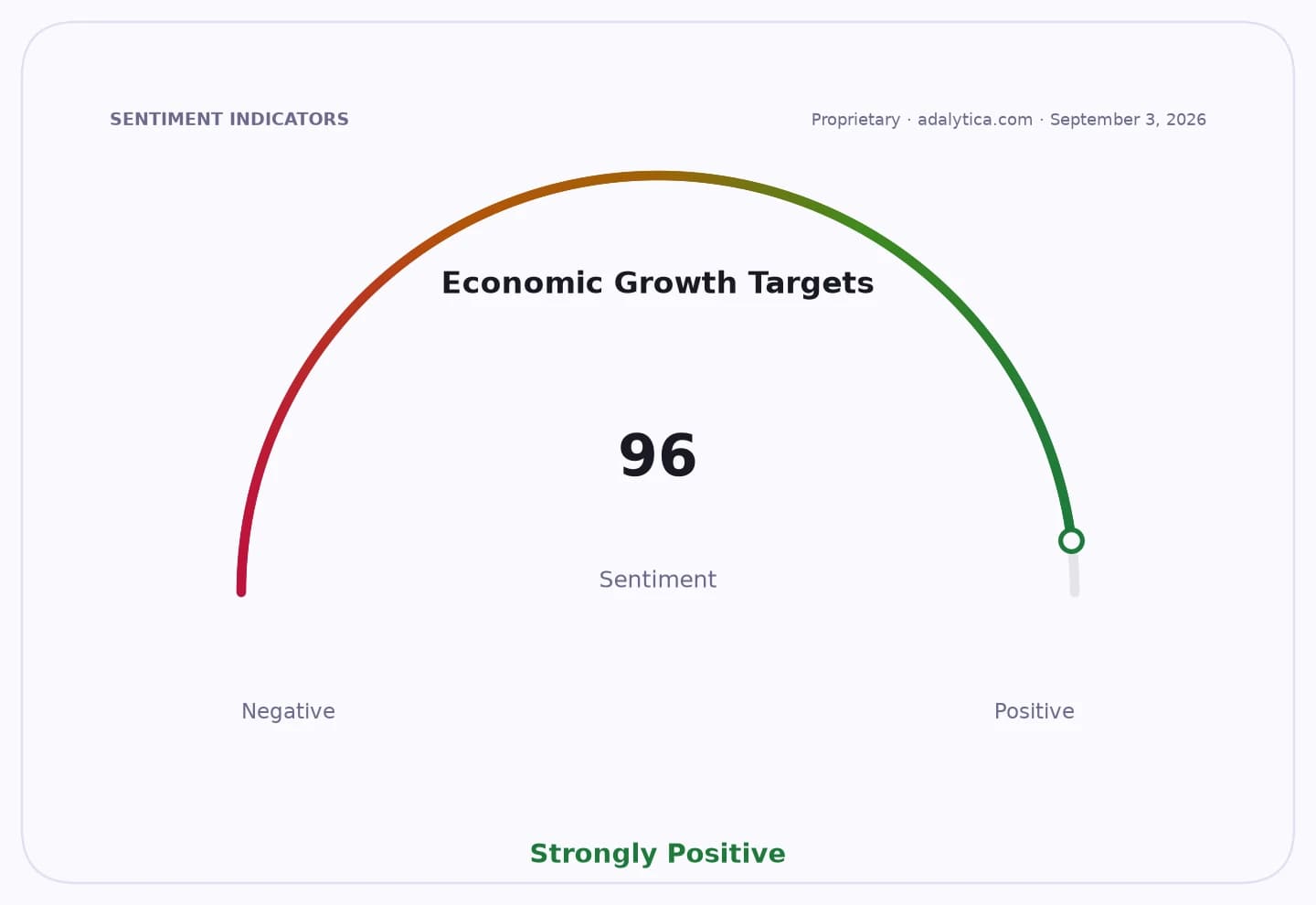
China’s services sector regained momentum in August, with the RatingDog Services PMI climbing to 51.4 from 50.4 and the composite index rising to 52.1, a sign that domestic demand is helping offset softer export conditions.
The reading matters because services are increasingly carrying the burden of growth as China’s factory sector remains vulnerable to weak external demand, property-sector strain and lingering deflationary pressure. An index above 50 points to expansion, and the August pickup suggests activity in consumer-facing and business services improved after July’s slowdown. The composite gauge, which blends services and manufacturing, also moved back above 52, indicating the broader economy is expanding at a moderate pace rather than stalling.
The data offers a partial counterpoint to the softer official PMI survey released earlier in the week, underscoring how uneven China’s recovery remains. Private-sector readings such as RatingDog’s often lean more toward smaller, export-linked firms, while official surveys cover a broader sample of large and state-backed companies. The divergence suggests that domestic demand is holding up better than some policymakers and investors fear, even if the pace is not strong enough to imply a decisive turn in growth momentum.
Employment in services also improved for a fourth straight month, a detail that matters for household income and consumption. China’s growth model has been trying to lean more on spending at home as exports face pressure from weaker global trade and geopolitical frictions. A steadier services sector can support wages, tourism, logistics, retail and leisure spending, all of which feed through to broader demand and, eventually, corporate earnings.
For investors, the report is constructive but not definitive. It supports the case for selected China-exposed assets, particularly consumer, internet and service-oriented companies that benefit from a firmer domestic backdrop. It also helps explain why mainland and Hong Kong-listed China ETFs have remained sensitive to every sign of stabilization in activity data. In the FXI, ASHR and MCHI exchange-traded funds, recent price action has been choppy but broadly consistent with a market waiting for firmer proof that growth is improving rather than merely stabilizing.
That leaves the bigger narrative unchanged: China is still expanding, but at a pace that looks uneven and reliant on domestic services rather than a synchronized rebound across the economy. The next test will be whether stronger services demand can persist into the fourth quarter and whether export weakness deepens enough to drag the composite index lower again.
| Entity | Gains | Losses |
|---|---|---|
| China services firms | ▲Higher activity | ▼Weak July momentum |
| Domestic consumers | ▲More jobs and spending options | ▼Persistent income caution |
| China equities | ▲Better growth support | ▼Slow, uneven recovery |
| Exporters | ▲Stable domestic backdrop | ▼Softer external demand |