China Shock Warning Hits U.S. Industrial Outlook
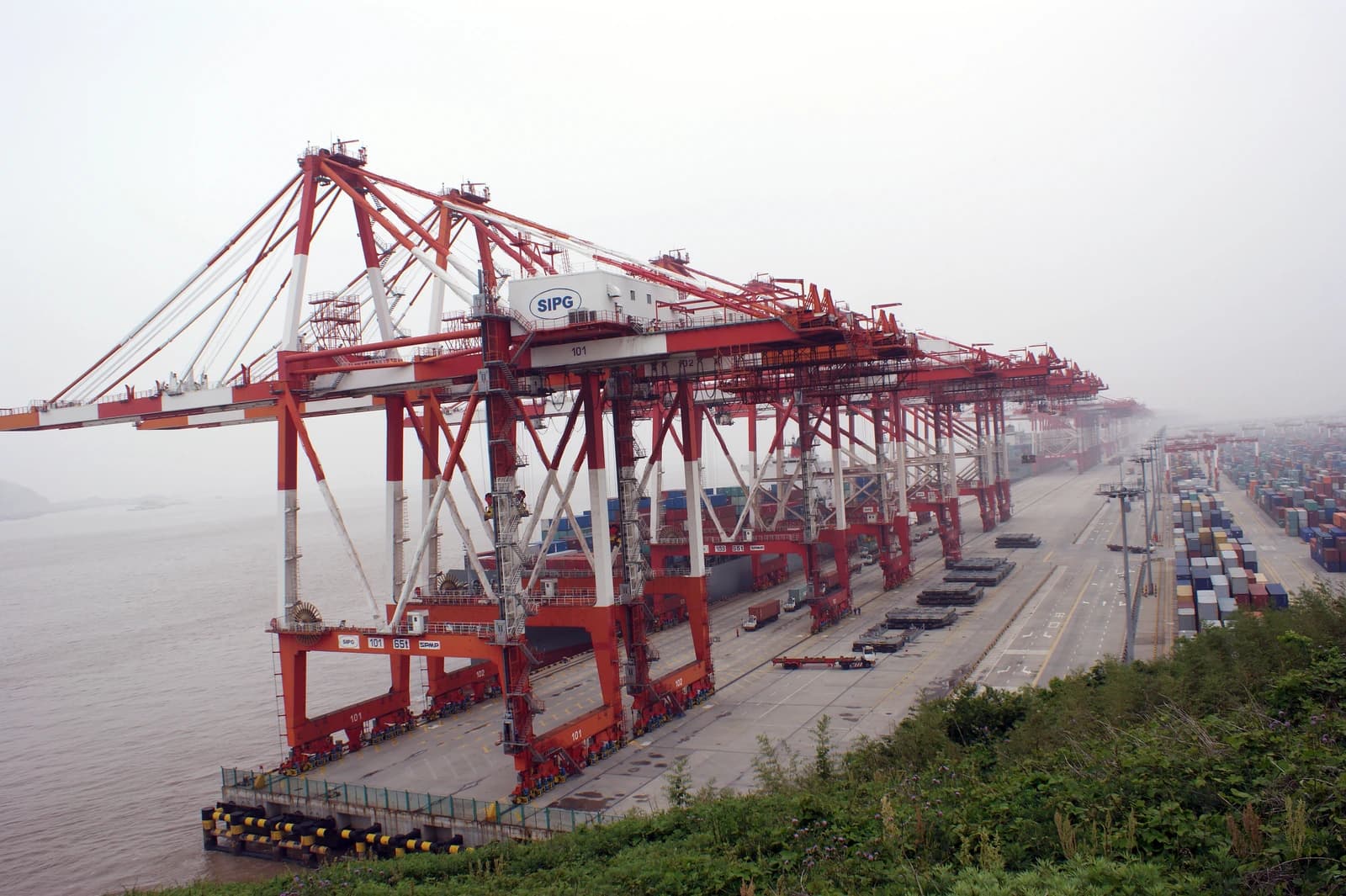
A fresh warning that a second "China shock" is building comes as U.S. industrial production stays elevated and investors in China-linked assets are already showing strain, underscoring the risk that another wave of low-cost exports could hit manufacturers, jobs and trade balances just as Treasury yields sit near 4.95%.
The economic significance is straightforward: a renewed flood of Chinese goods would pressure factory output in the U.S. and other major economies, intensify price competition and widen the gap between sectors that gain from cheaper imports and those that lose share, margins and pricing power. That matters for central banks and policymakers because a disinflationary import wave can cool goods prices even as it hurts domestic industry.
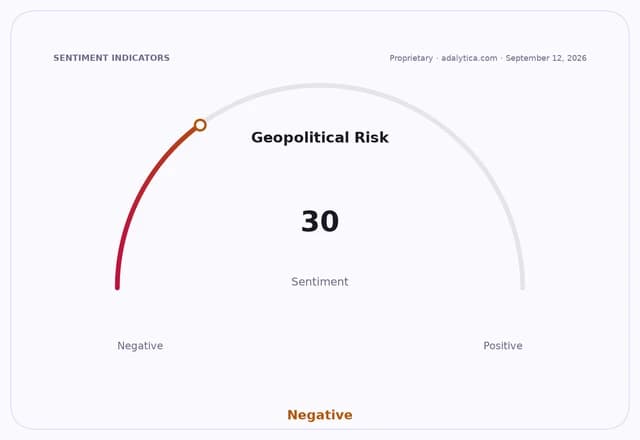
U.S. industrial production, measured by the Federal Reserve's index, is forecast to edge up to 103.34 in August from 102.99 in July, suggesting the sector is still expanding rather than rolling over. But the longer-run concern is that this resilience could face a new external shock if Chinese producers, squeezed by weak domestic demand and excess capacity, push more product overseas.
Markets are already signaling caution. The iShares China Large-Cap ETF, FXI, has slipped to $34.49, below its 50-day moving average and under its 200-day average of $36.40, while its RSI reading of 31.4 points to oversold conditions and lingering downside pressure. The MSCI China ETF, MCHI, has fallen to $52.96, also below its 50-day and 200-day averages, with an RSI of 25.0, reflecting how hard investors have been marking down China exposure.
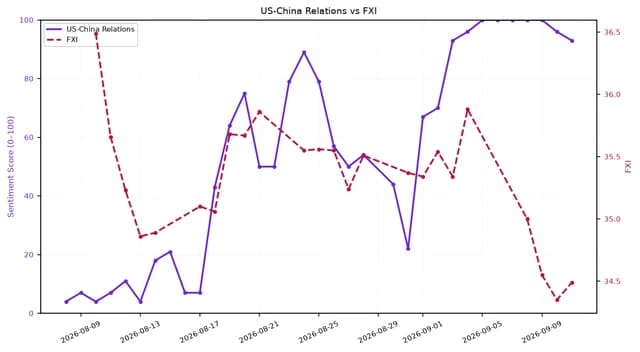
That weakness comes against a backdrop of higher U.S. borrowing costs, with the 10-year Treasury yield at 4.95% on Sept. 10, a level that reinforces the pressure on rate-sensitive and globally exposed companies. For multinationals in retail, apparel, autos and machinery, cheaper Chinese exports can mean lower input costs but also tougher competition at the shelf and in export markets.
The FT's warning lands at a sensitive moment for policymakers in Washington and Beijing. If China leans again on manufacturing and exports to support growth, the result could look like the first China shock: gains for consumers and importers, losses for blue-collar labor, capital spending and industrial suppliers.
Investors will be watching for any escalation in tariff rhetoric, trade remedies or industrial policy responses, as well as next trade data and earnings from retailers and manufacturers exposed to China sourcing. The key market question is whether a new disinflationary trade wave becomes a help for consumers or a fresh drag on the industrial cycle.
| Entity | Gains | Losses |
|---|---|---|
| U.S. consumers | ▲Lower import prices | ▼Fewer domestic factory jobs |
| Chinese exporters | ▲More overseas demand | ▼Higher trade friction |
| U.S. manufacturers | ▲— | ▼Pricing power, margins |
| Import-heavy retailers | ▲Cheaper goods sourcing | ▼Tariff and policy risk |