China South China Sea clashes raise regional risk
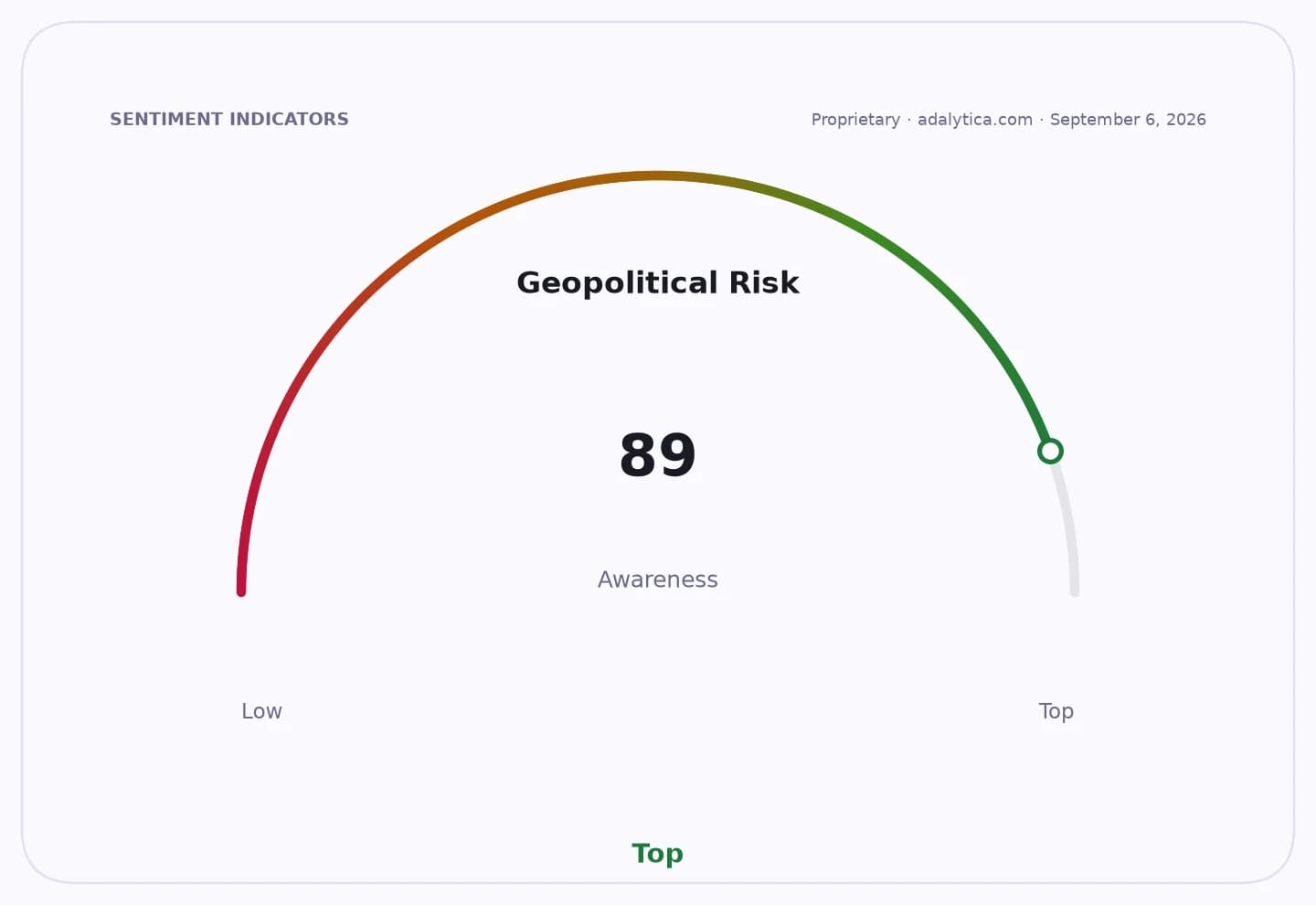
China’s repeated confrontations in the South China Sea are hardening regional resistance just as Beijing tries to project control over one of Asia’s most strategic waterways, raising the possibility that its coercive tactics are exposing more insecurity than confidence.
The latest flashpoint came at Second Thomas Shoal, where Chinese and Philippine personnel clashed on July 20 in an encounter that included reports of physical confrontation and a baton used against a Filipino serviceman. That episode, which unfolded ahead of an ASEAN foreign ministers’ meeting, quickly escalated from a maritime incident into a diplomatic test, with Manila summoning the Chinese ambassador and President Ferdinand Marcos Jr. publicly rebuking Beijing. Chinese Foreign Minister Wang Yi, then in Manila, said ties had reached a “critical crossroads,” underscoring how quickly incidents at sea are now reverberating through broader relations.
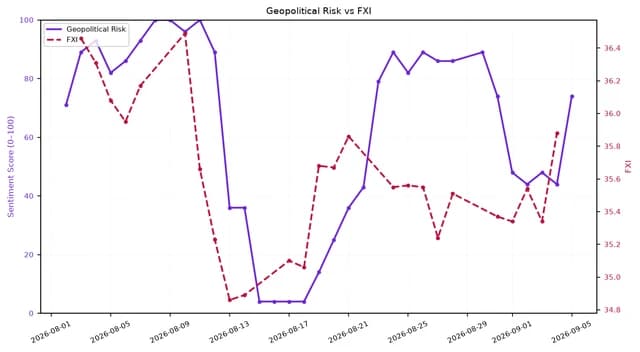
For investors and policymakers, the significance is less the individual skirmish than the pattern. Repeated confrontations — from water cannon use against Philippine resupply vessels to ramming incidents near Scarborough Shoal and allegations of laser use against Vietnamese fishermen — are reinforcing the view across Southeast Asia that China is willing to use maritime pressure to advance claims. The economic stakes are not trivial: the South China Sea is central to shipping lanes, fisheries, energy exploration and regional investment flows, so every new episode adds friction to a zone that underpins trade and supply chains across Asia.
That matters because Beijing may be generating the opposite of what it wants. Instead of isolating individual rivals, the cumulative effect of these encounters appears to be pushing ASEAN states toward closer coordination on maritime security and international law, while also strengthening the rationale for a deeper US security role in the region. Washington has already used the disputes to tighten ties with the Philippines and other partners without needing to intervene in every confrontation, increasing the strategic cost for China of each new incident.
The market read-through is subtle but real. Escalating tensions tend to support the case for a more fractured regional investment backdrop, with higher risk premia for shipping, energy and broader China-exposed assets if disputes intensify. The latest moves in China-focused ETFs show that investors remain willing to buy the strategic growth story, but the geopolitical overlay is becoming harder to ignore as maritime disputes and US-China rivalry deepen. South China Sea instability also complicates Beijing’s efforts to reassure neighboring economies that it can be both assertive and predictable.
China’s own resource ambitions make the issue more consequential. Its upgraded deep-sea research capabilities and a reported major oil discovery in the region suggest Beijing sees the South China Sea not only as a sovereignty issue but as a strategic resource basin. That strengthens its incentives to hold the line, but it also raises the chances of more frequent encounters with the Philippines, Vietnam and other claimants as they defend their own interests.
The bear case for China is that repetition itself becomes a weakness: the more Beijing has to demonstrate resolve through coast guard and maritime actions, the more it feeds the narrative that its regional position remains contested. The bull case is that steady pressure can normalize Chinese presence and deter smaller claimants over time. For now, the evidence points to a different outcome — one where China’s show of force is accelerating regional balancing rather than diminishing it.
What happens next will hinge on whether Beijing and Manila can keep diplomacy from being overwhelmed by events at sea. If not, each new encounter risks drawing in ASEAN capitals and Washington more directly, turning a sovereignty dispute into a wider test of Indo-Pacific order.
| Entity | Gains | Losses |
|---|---|---|
| Philippines | ▲Stronger US support | ▼Higher maritime risk |
| China | ▲Short-term coercive leverage | ▼Regional trust |
| ASEAN states | ▲Incentive to coordinate | ▼Diplomatic flexibility |
| United States | ▲Stronger regional ties | ▼Greater strategic burden |