China South China Sea collision confirmed 2 deaths
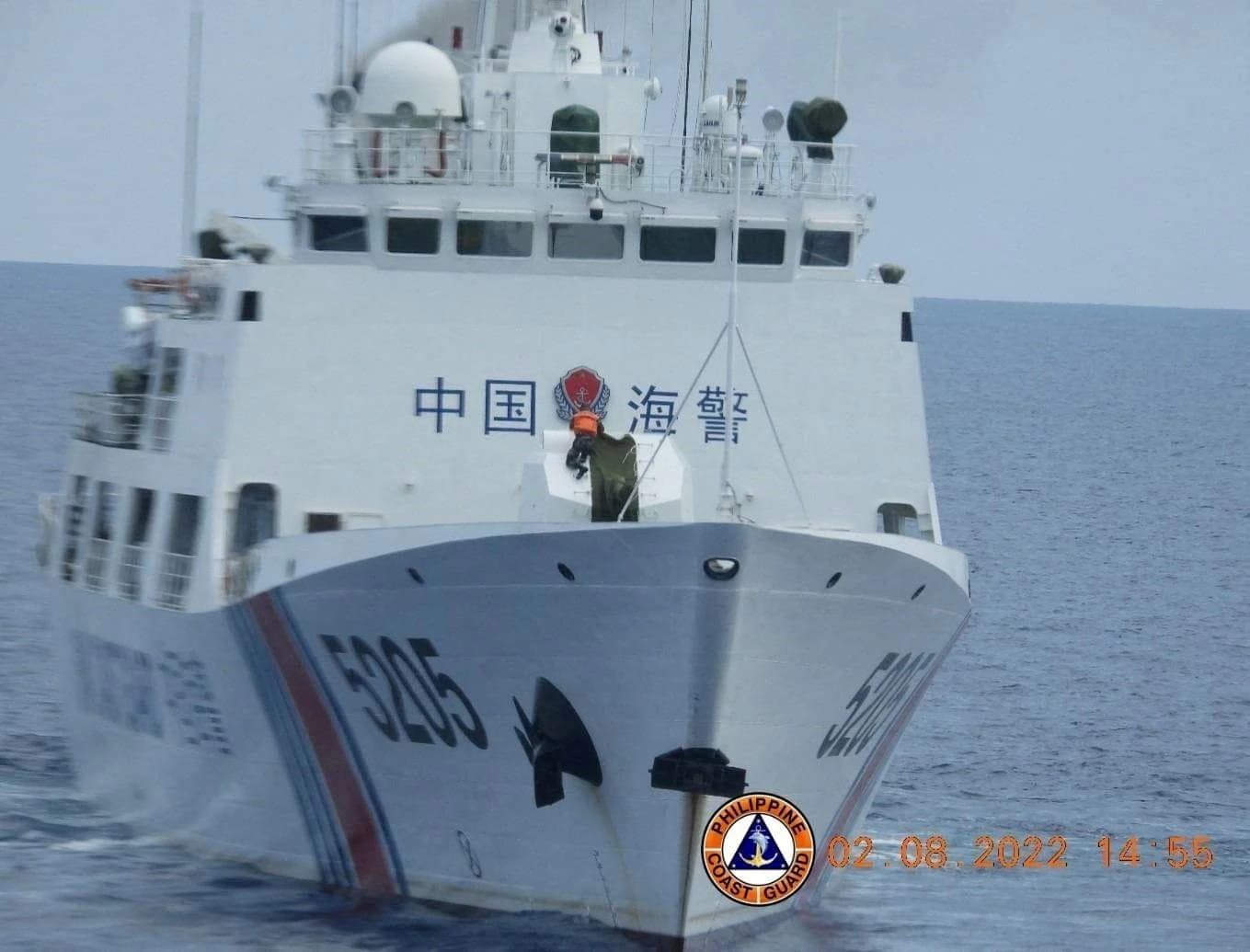
China’s delayed confirmation that two sailors died in an August 2025 collision between a coast guard vessel and a naval destroyer in the South China Sea puts a new spotlight on the operational risks in one of the world’s most militarized shipping lanes.
The incident happened during a pursuit of a Philippine vessel, underscoring how quickly routine maritime enforcement can turn into a dangerous clash in waters where China, the Philippines and other regional powers regularly overlap. That matters economically because the South China Sea carries a large share of Asia’s trade and energy flows, and any escalation raises the odds of higher insurance costs, shipping disruption and more caution from companies exposed to the region.
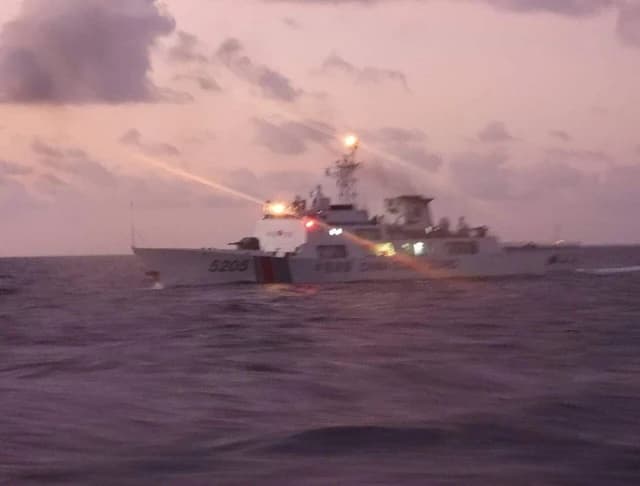
Beijing’s decision to acknowledge the fatalities nearly a year later also matters for investors because it suggests the authorities still want to manage information tightly around sensitive security incidents, even as tensions with Manila remain elevated. That kind of opacity can keep geopolitical risk premiums embedded in Asian shipping, defense and broader China-sensitive assets.
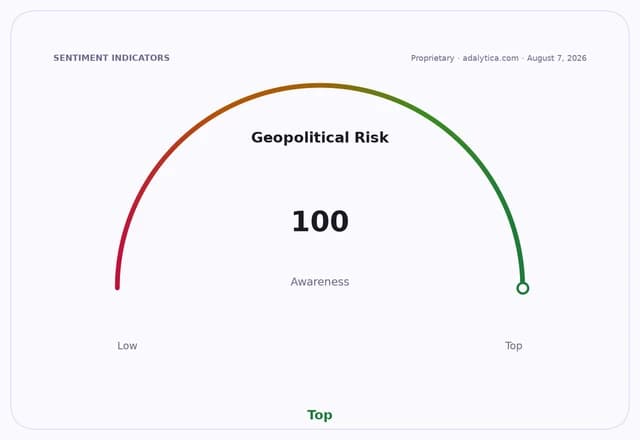
The timing is notable as global stability sentiment from Adalytica.com sits at 93, labeled “Extreme Greed,” while U.S.-China relations sentiment is at 4, or “Extreme Fear,” reflecting how fragile the policy backdrop remains even when markets are willing to look through it. In practical terms, that split leaves room for sharp moves in assets tied to China if a maritime accident or diplomatic standoff spills beyond the headlines.
FXI was last at 36.17, near its 200-day moving average of 36.88, while MCHI closed at 56.57, still below its 200-day average of 58.09. YINN, the leveraged China bull fund, finished at 31.49, far beneath its 200-day average of 37.27, showing that traders have not priced in a durable improvement in China risk appetite despite recent rebounds.
For investors, the key question is whether Beijing and Manila can keep encounters contained or whether the South China Sea becomes a recurring catalyst for risk-off moves in China-linked equities and regional logistics names. Any fresh confrontation, or further revelations about the August collision, would likely put renewed pressure on sentiment-sensitive China funds and raise scrutiny of shipping routes through the contested waters.
| Entity | Gains | Losses |
|---|---|---|
| China | ▲tighter narrative control | ▼credibility on maritime safety |
| Philippines | ▲diplomatic leverage | ▼risk of frontline exposure |
| Shipping operators | ▲none | ▼higher insurance and disruption risk |
| China-linked equities | ▲possible dip buyers | ▼geopolitic risk premium |