China South China Sea island building raises tensions
China’s expansion of man-made islands in the South China Sea is deepening a military foothold in one of the world’s most strategically sensitive trade corridors, raising the risk of a longer, more expensive standoff between Beijing and Washington.
The immediate significance is not the engineering itself but the military permanence it creates. Reclaimed reefs and fortified outposts give China more runways, radar coverage, missile positions and logistics reach across disputed waters that carry a large share of global shipping. That alters the balance of power at sea, makes routine patrols riskier for the US and its allies, and increases the odds that future crises will reverberate through defense spending, insurance costs and regional trade flows.
The South China Sea has long been a contest over access, deterrence and sovereignty. China’s island-building and militarization of reefs effectively turns uninhabited features into forward operating bases, strengthening Beijing’s ability to monitor maritime traffic and pressure rival claimants including the Philippines, Vietnam and Malaysia. For the US, the challenge is that freedom-of-navigation patrols can continue, but they do so in a more crowded and more heavily surveilled battlespace.
The latest backdrop is also shaped by operational strain on the US side. A recent generator failure aboard the USS Benfold left the destroyer without power for days and forced a tow for repairs, a reminder that presence in contested waters depends on readiness as much as on strategy. That does not change the overall US security posture, but it underscores how Chinese infrastructure gains can matter even without a shot being fired: every additional fixed asset ashore or on a reef complicates the logistics and maintenance burden on ships operating nearby.
For investors, the implications are broad. Defense contractors tied to maritime surveillance, missile defense, unmanned systems and ship maintenance may benefit if regional militarization drives procurement. Shipping firms and insurers could face higher risk premiums if tensions intensify or if more frequent encounters disrupt sea lanes. Commodity markets also have a stake, because the South China Sea is a conduit for energy and industrial imports into Asia, and any escalation could ripple through freight rates and supply chains.
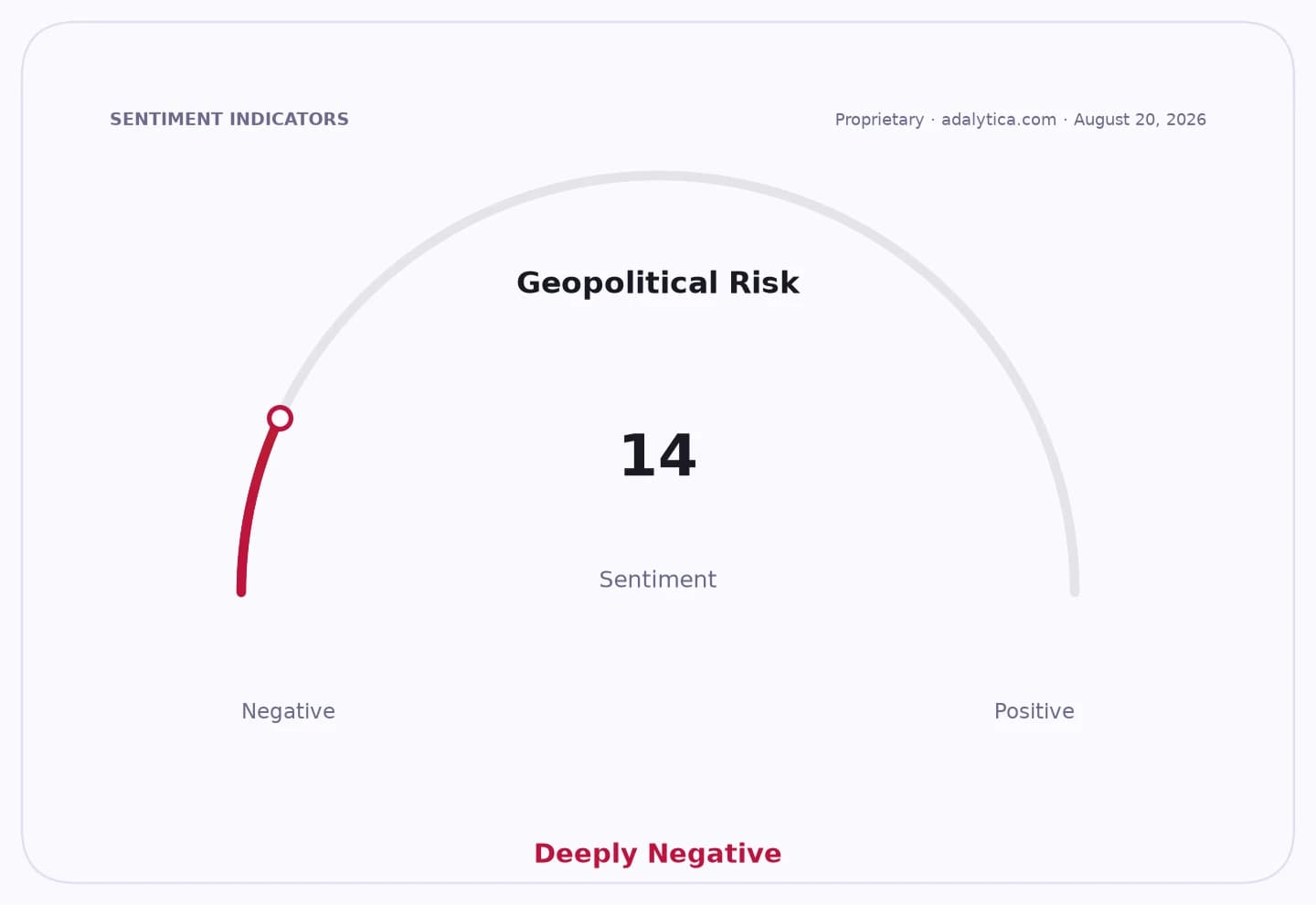
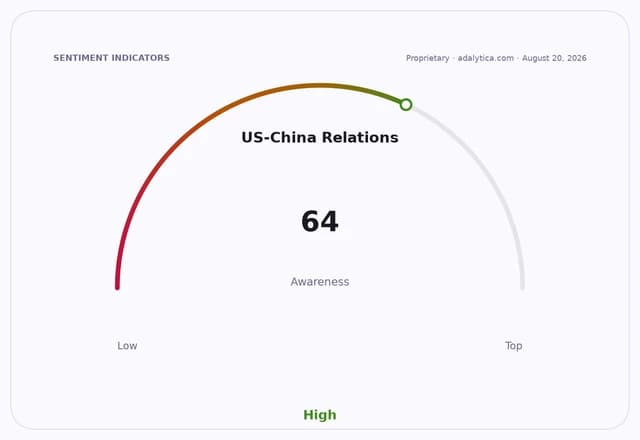
The market backdrop in China and Hong Kong has not priced a full crisis, but it remains sensitive to geopolitical shocks. The FXI China ETF is trading well below its summer highs and has lost momentum, while Hong Kong equities have also cooled after earlier gains. Sentiment gauges on US-China relations and global stability point to a fragile environment, suggesting investors are willing to react quickly if South China Sea tensions move from chronic pressure to acute confrontation.
The key question now is not whether China can keep building and arming these positions — it can — but how far the US and its allies are willing to absorb the cost of countering them. That leaves the South China Sea as a slow-burn geopolitical risk: manageable day to day, but capable of becoming a market-moving event if an accident, blockade or military miscalculation turns a strategic contest into a crisis.
| Entity | Gains | Losses |
|---|---|---|
| China | ▲Military reach | ▼Diplomatic trust |
| US Navy | ▲Allied urgency | ▼Operational flexibility |
| Regional claimants | ▲Security attention | ▼Maritime certainty |
| Shipping and insurers | ▲Risk repricing opportunities | ▼Higher disruption risk |