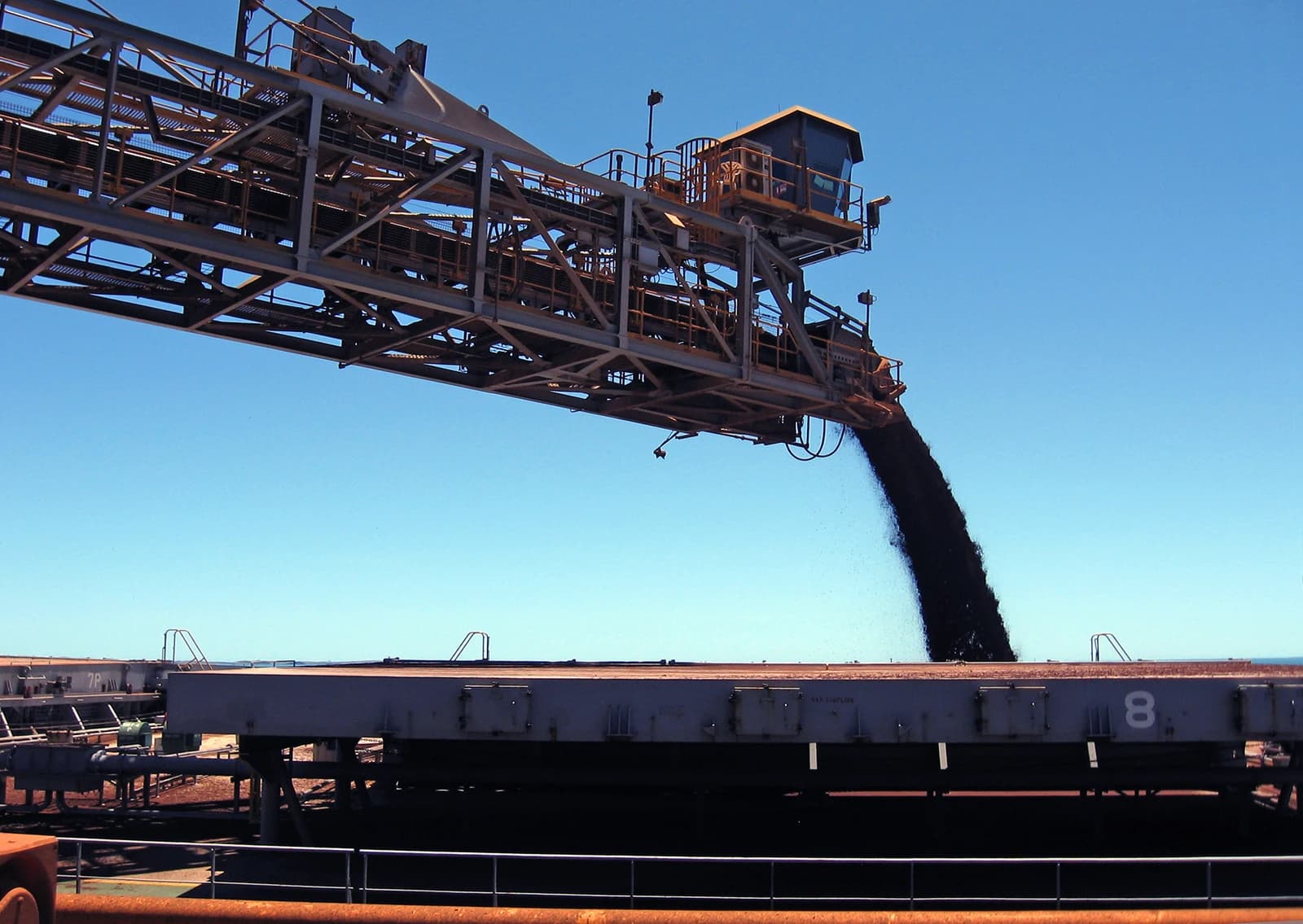
Iron ore and bar steel prices fell after reports that some Chinese steel mills are preparing to trim production, reviving concern that the world’s biggest steel market is entering another period of softer demand just as inventories and import flows are rising.
China steel mill output cuts push iron ore lower

The benchmark iron ore contract in Singapore dropped 1.55% to $99.45 a tonne, while the most-traded Dalian contract fell 0.27% to 738 yuan, or $110.03, a tonne after touching a six-week high a day earlier. Shanghai rebar futures also eased 0.19% to 3,095 yuan a tonne, extending pressure across the steel complex.
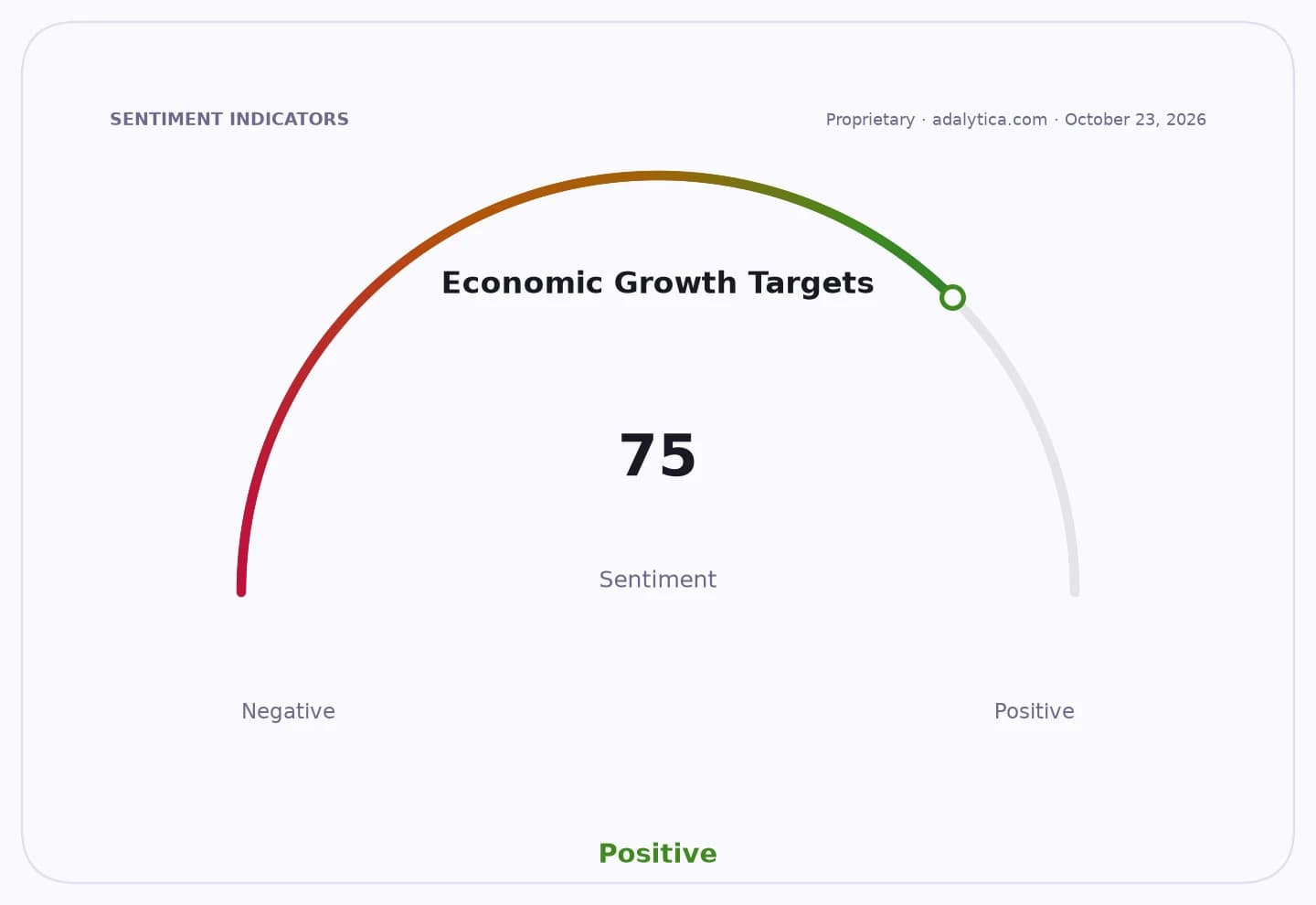
Sentiment IndicatorsⓘProprietary · adalytica.com · September 11, 2026
This is a snapshot — live sentiment, awareness and momentum for 130+ markets update continuously in the dashboard.Open AlphaPulse
The move matters because Chinese steel output drives demand for iron ore, coking coal and finished steel across Asia and beyond. Even modest production cuts can quickly ripple through freight, mining margins and pricing for exporters from Australia and Brazil to global steelmakers that compete with Chinese supply.
Mysteel said four construction steel producers in Sichuan plan to cut output by as much as 680,000 tonnes from September through December to balance supply and demand. While the reduction is limited, traders are treating it as a warning that weak margins could force more mills to follow, tightening the outlook for raw material demand.
Imports are adding to the bearish tone. Analysts said China’s iron ore arrivals in August came in above expectations after storms delayed July customs clearances, leaving the market heavier than anticipated. First Futures said oversupply is likely to keep weighing on prices in the medium term, even after a recent rebound tied to pre-holiday restocking.
The softer tone in China comes as steelmakers elsewhere keep lifting prices to protect margins. Nucor raised its weekly spot price for hot-rolled coil by $5 a short ton to $1,190 a metric tonne, while California Steel Industries pushed its offer to $1,250. ArcelorMittal also increased European hot-rolled coil prices by 20 euros a tonne for November delivery, citing higher raw material and energy costs.
For investors, the split is important: weaker iron ore and rebar prices can pressure miners and Chinese steel producers, while firmer U.S. and European flat-steel pricing supports mills with tighter supply. Shares of ArcelorMittal, Nucor and other steel names remain sensitive to whether Chinese cutbacks spread or stay contained, and to whether restocking demand can absorb the excess tonnage.
The next catalyst is whether more Chinese mills announce cuts after the Sichuan plans, and whether Beijing-backed buying of iron ore from Rio Tinto leads to a pricing truce or signals fresh tension in supply talks.
| Entity | Gains | Losses |
|---|---|---|
| Steel buyers | ▲Lower input costs | ▼Less urgency to stockpile |
| Iron ore miners | ▲Stable demand if cuts stay limited | ▼Softer realized prices |
| Chinese mills | ▲Short-term margin support | ▼Lower output and sales volumes |
| U.S./European steelmakers | ▲Tighter local pricing power | ▼Higher input-cost pressure |